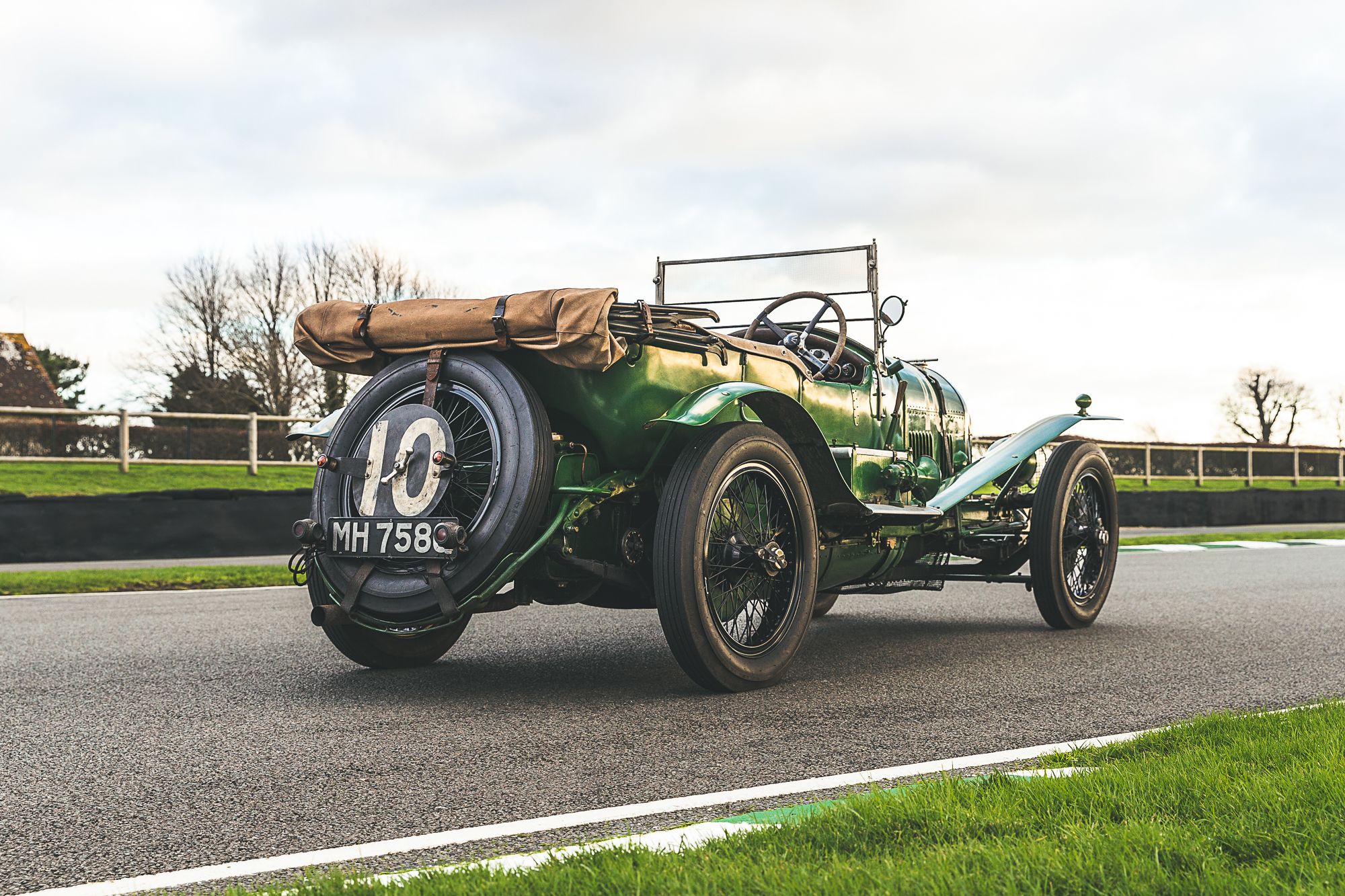
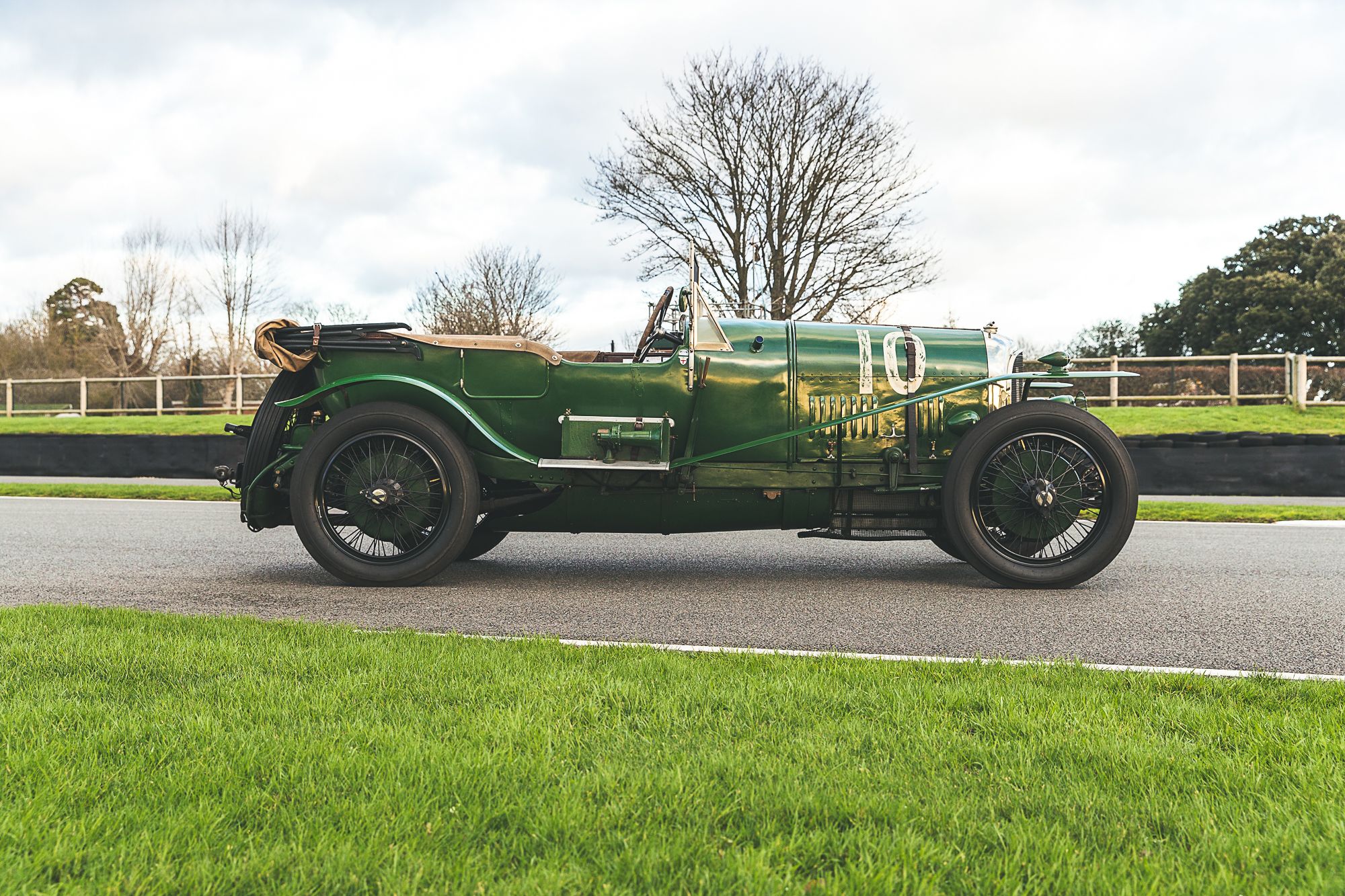
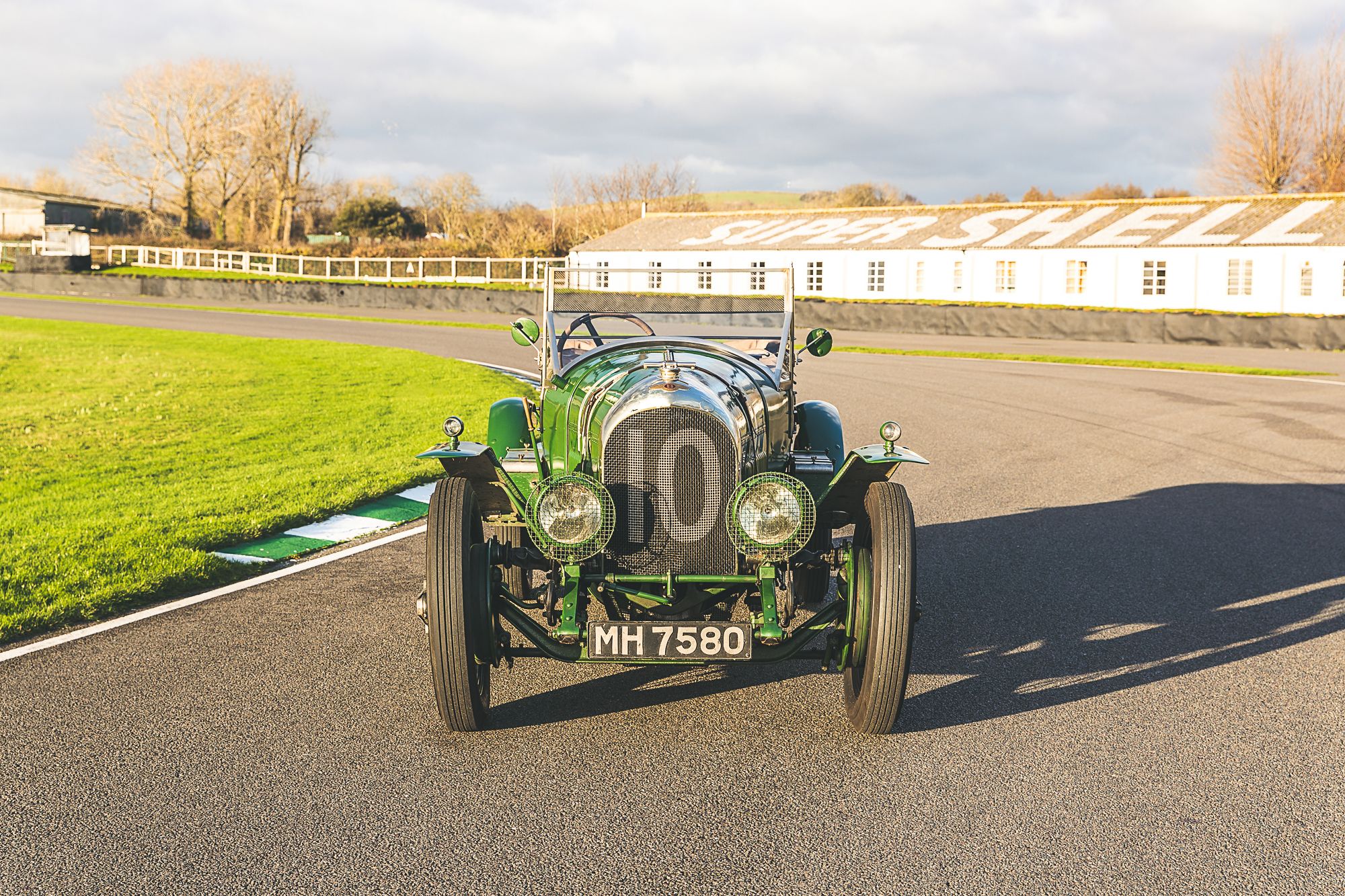
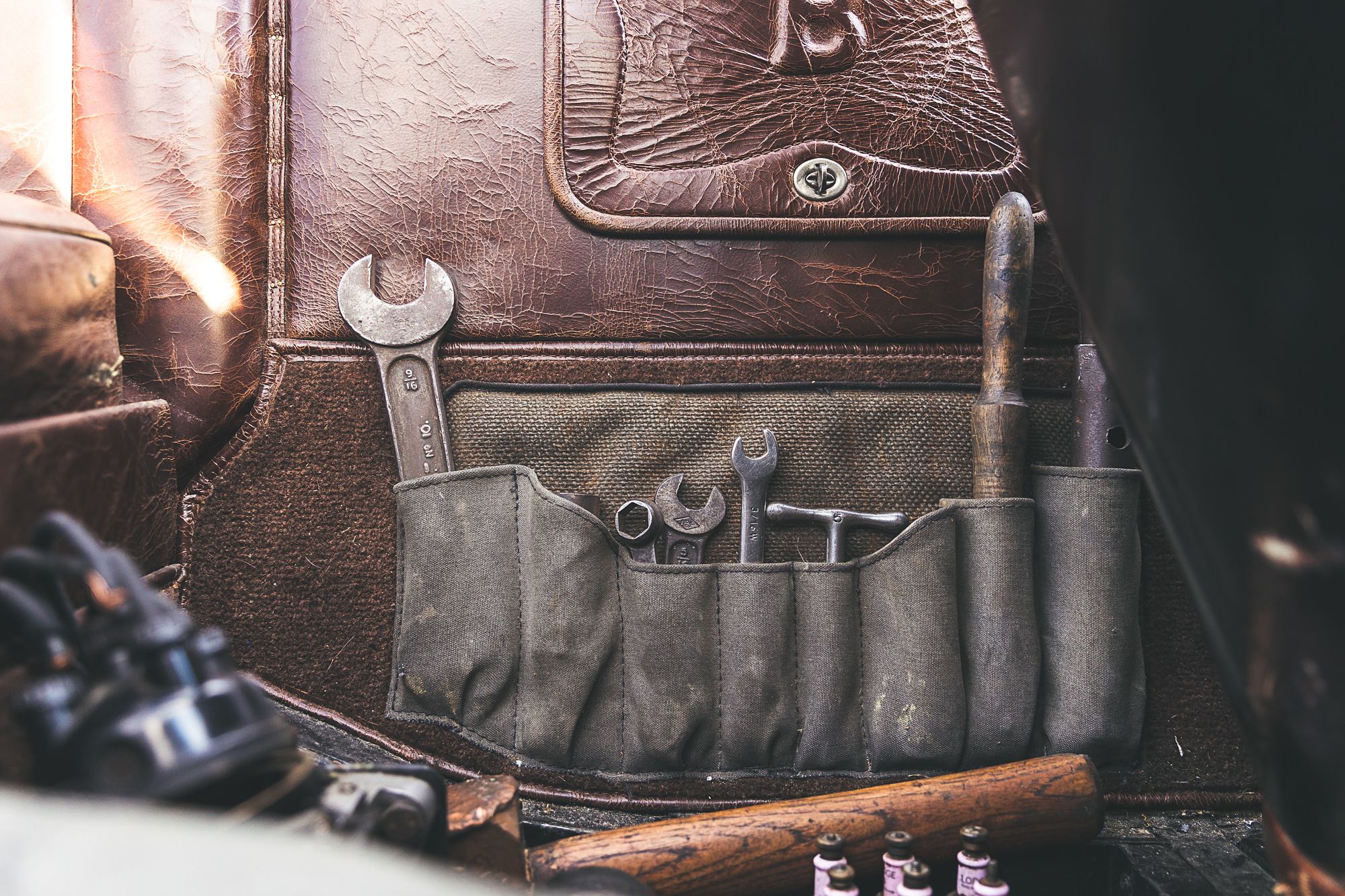
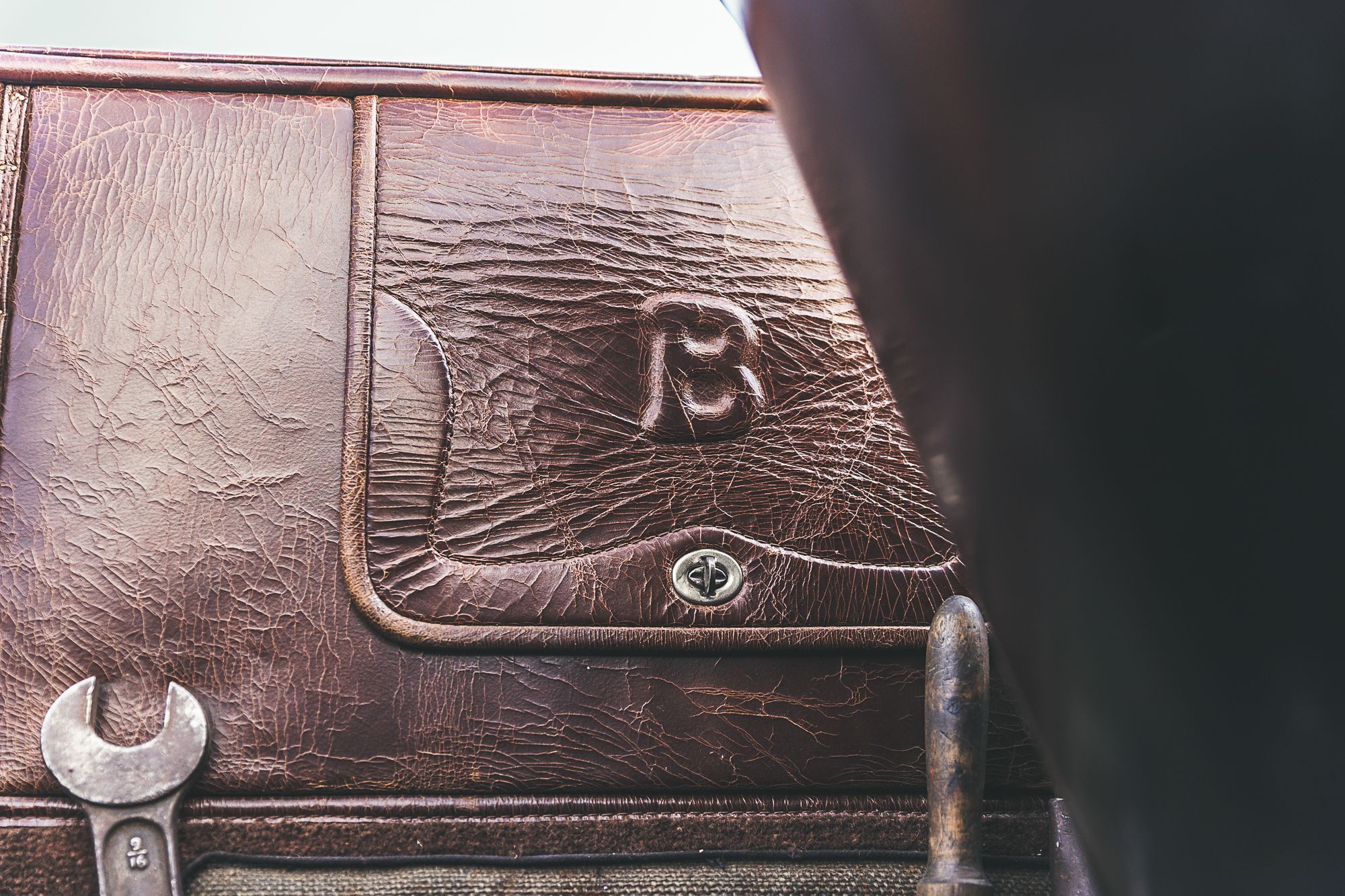
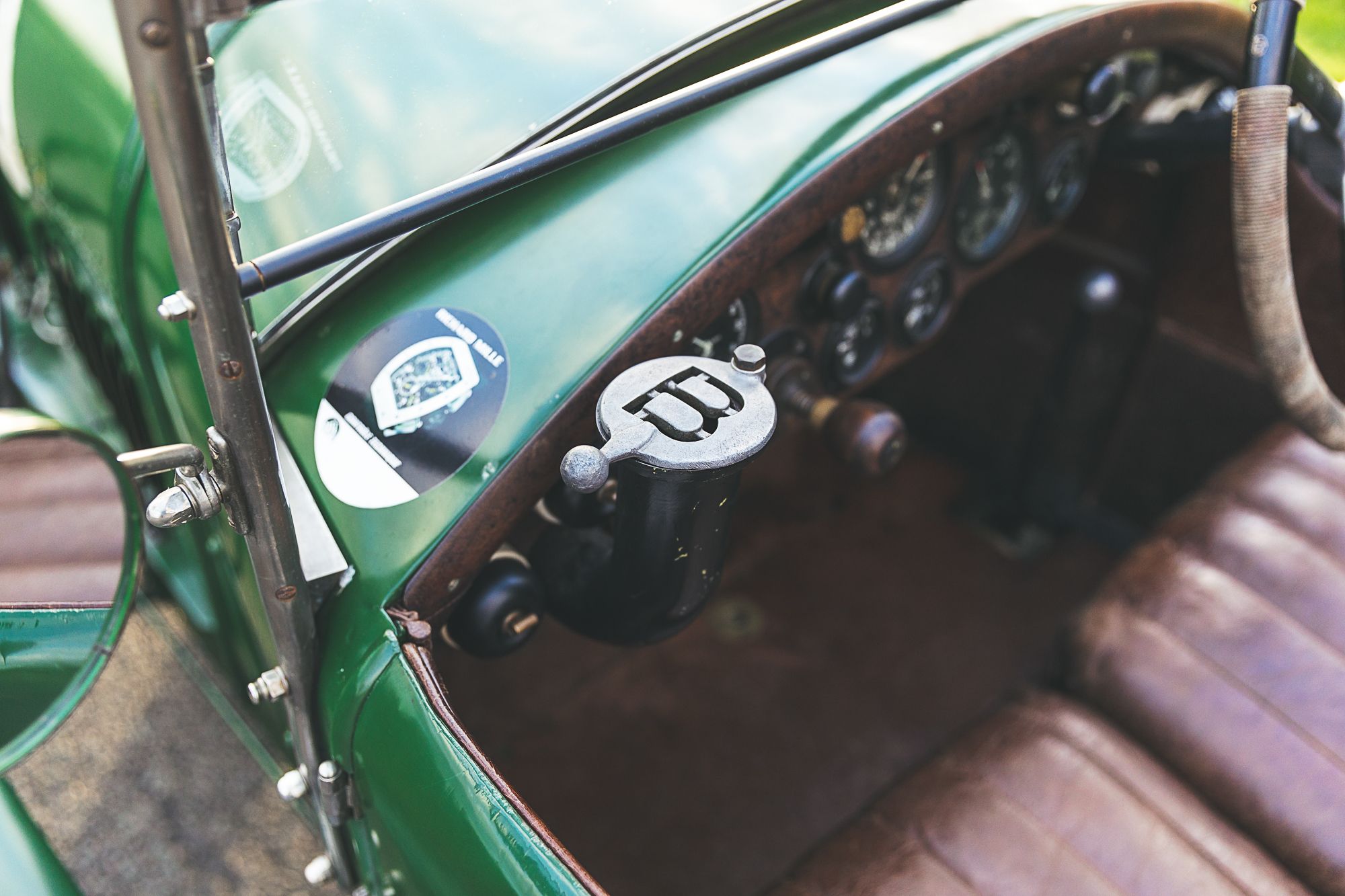
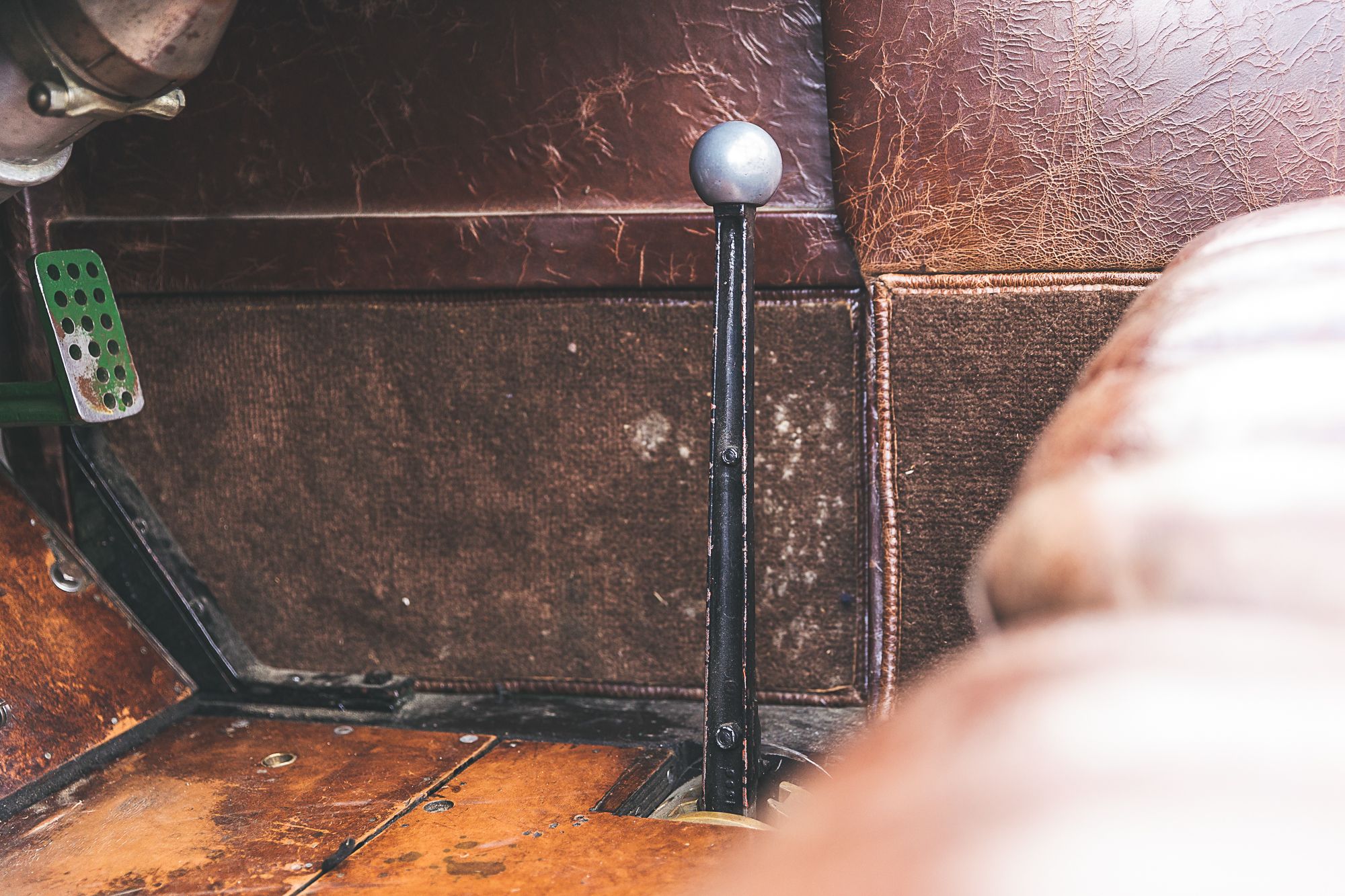
1925 Bentley 3 Litre Works Team Car
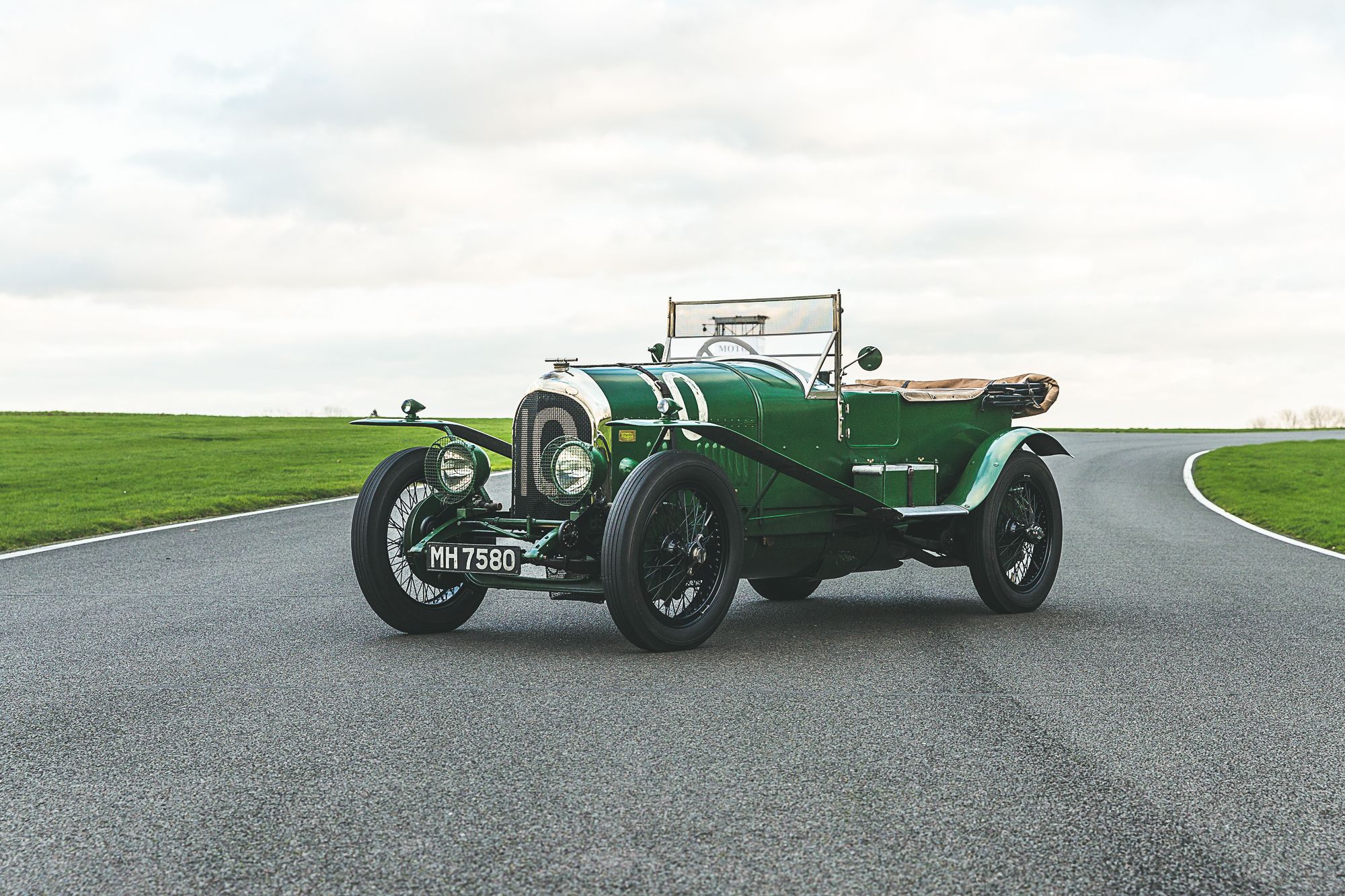
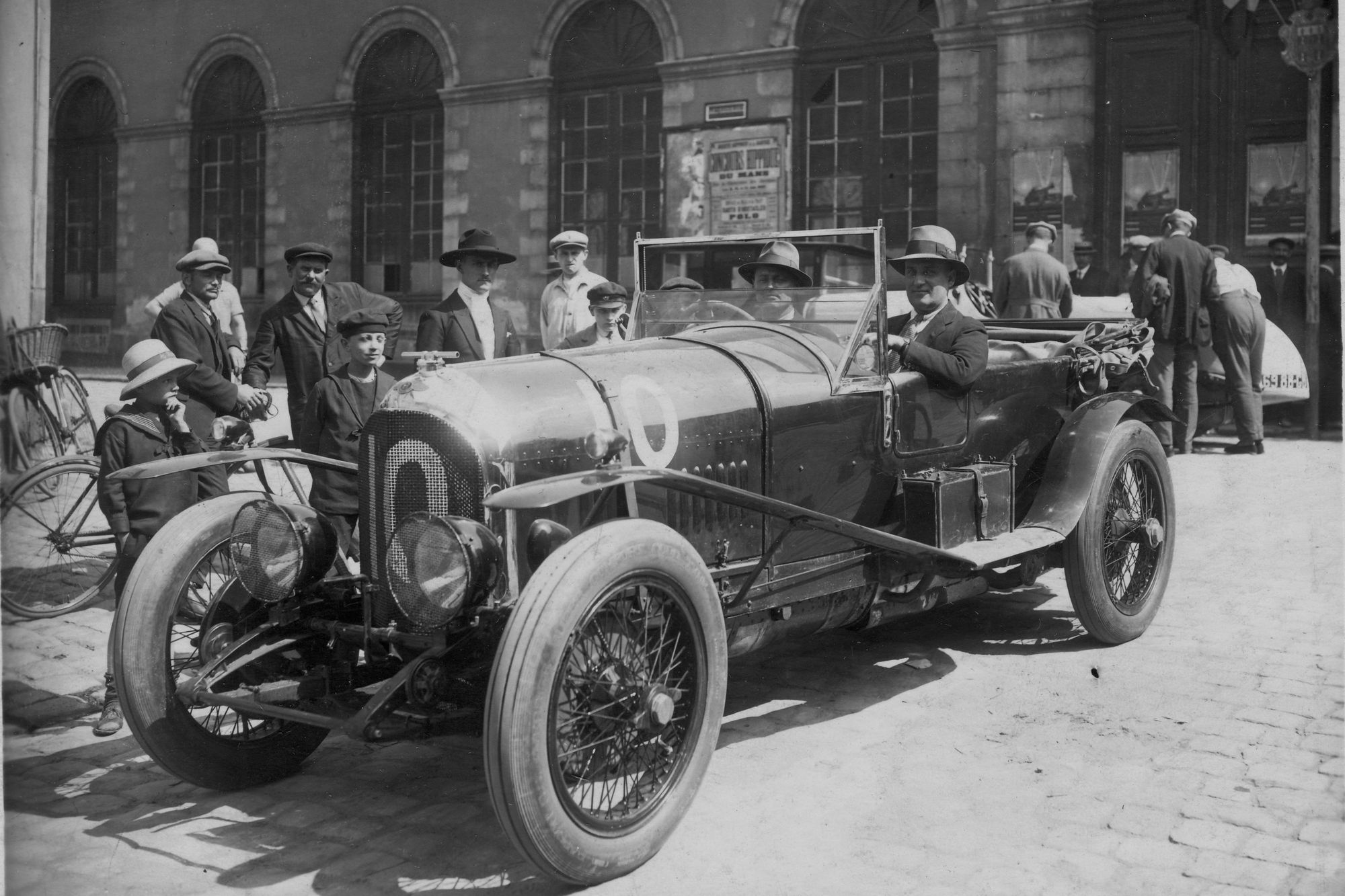
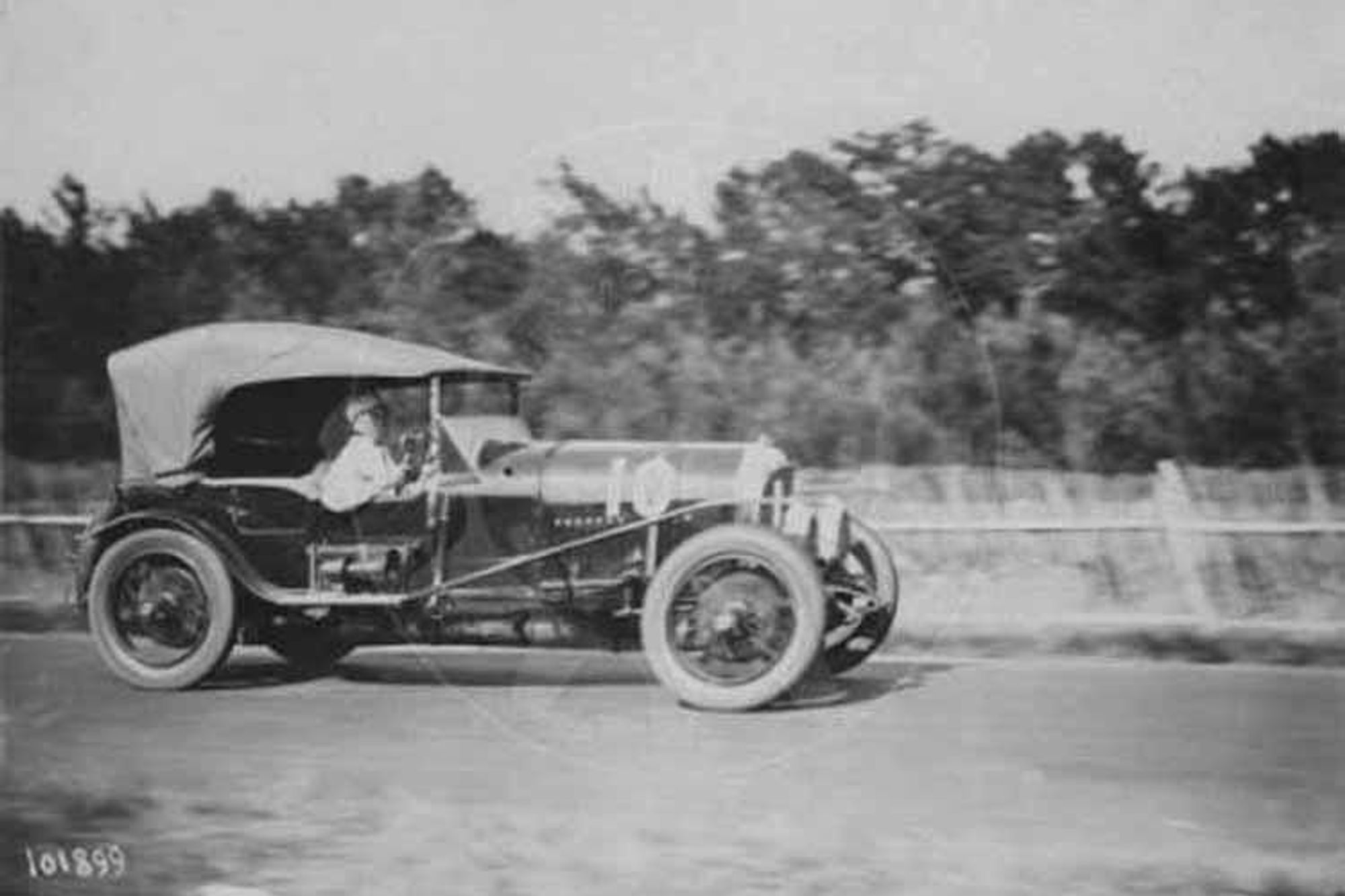
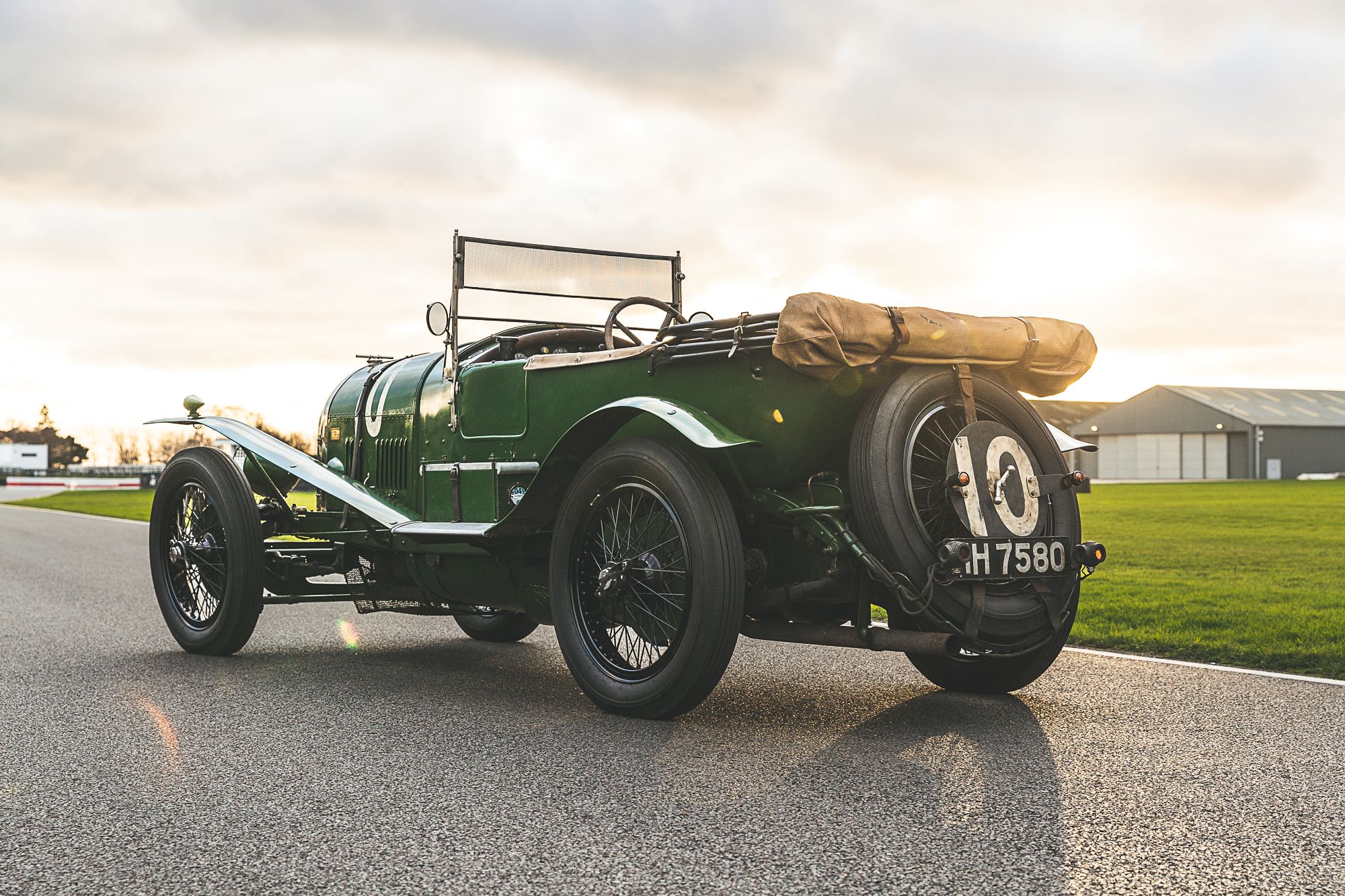
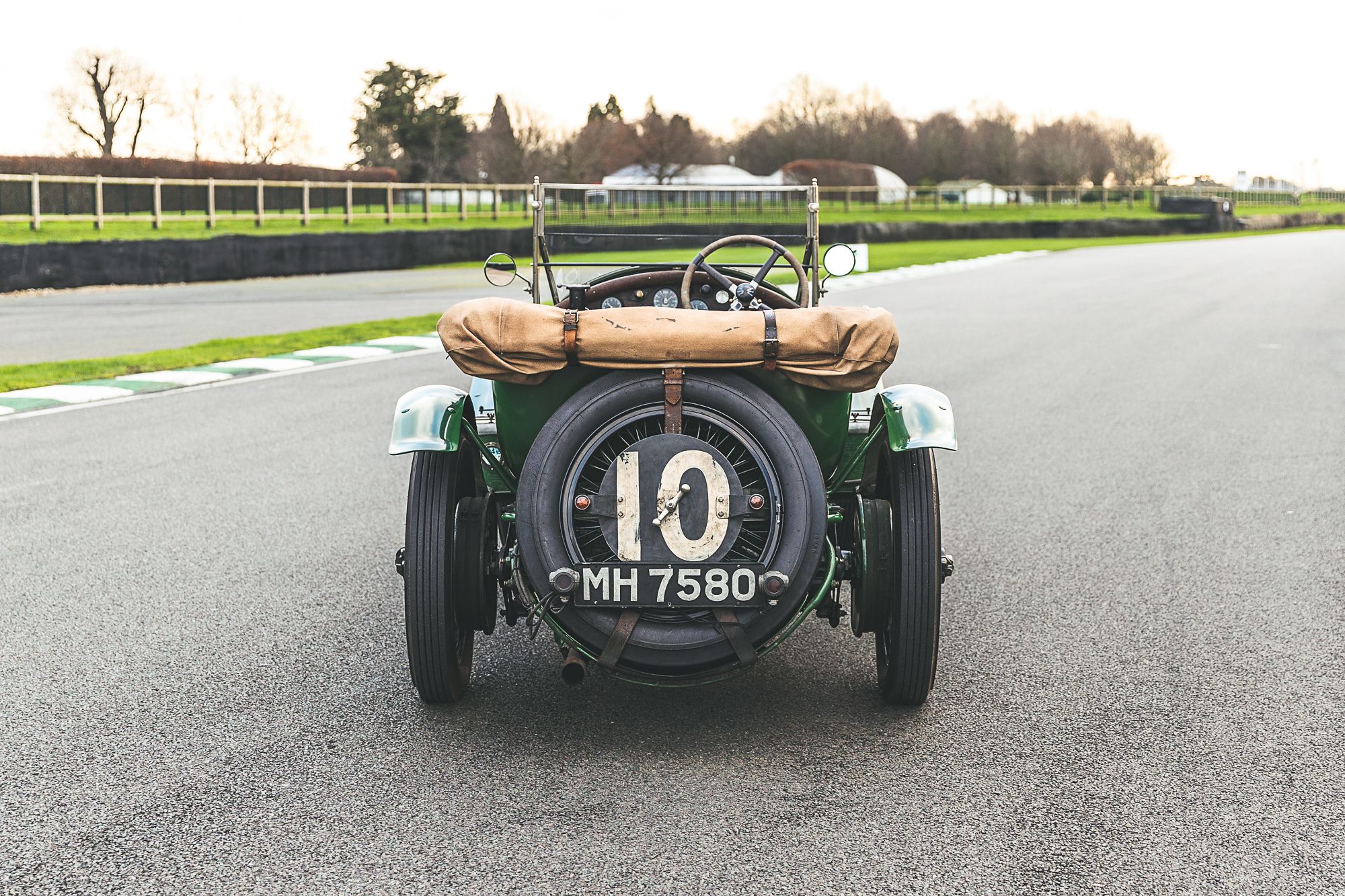
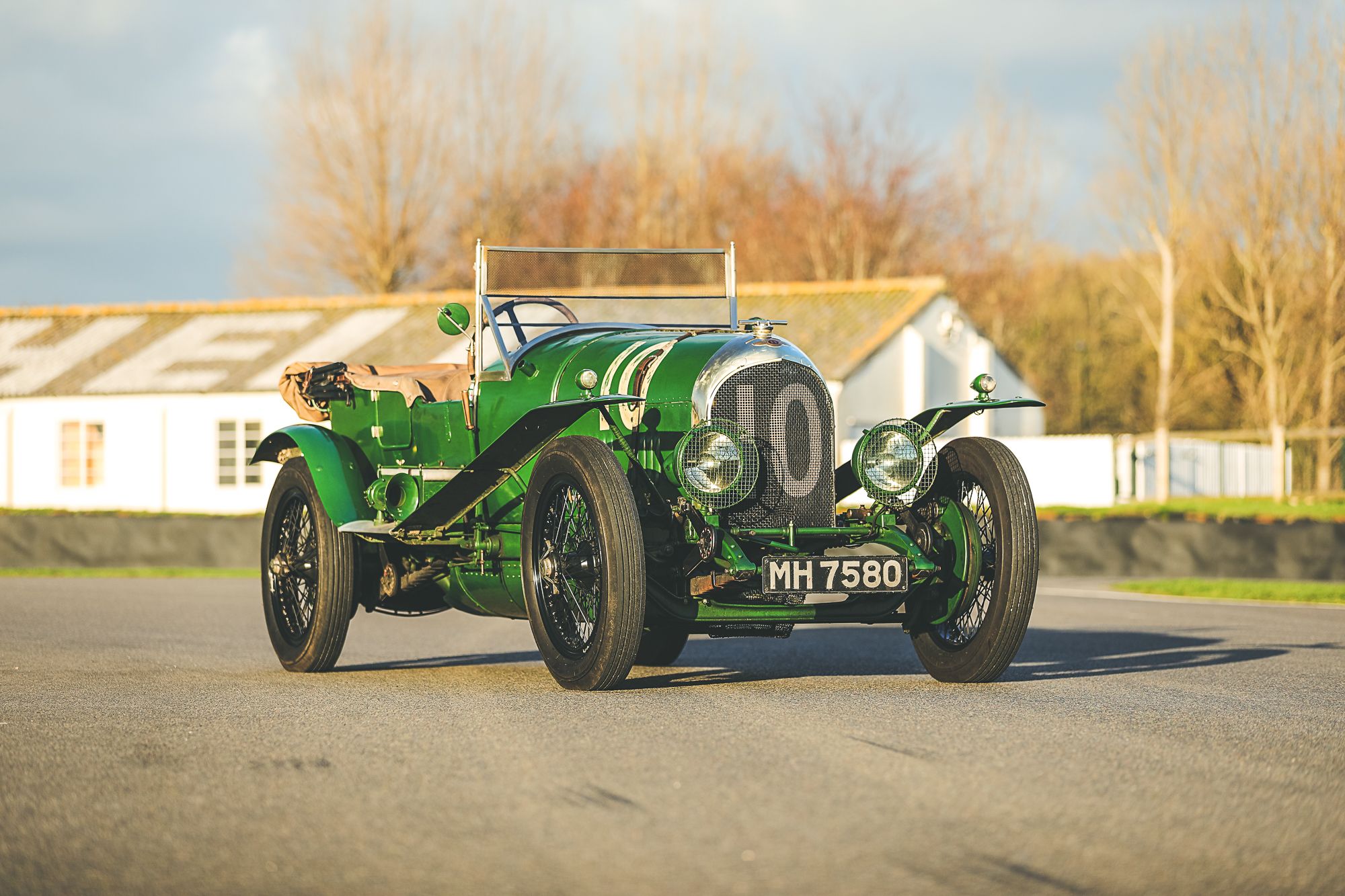
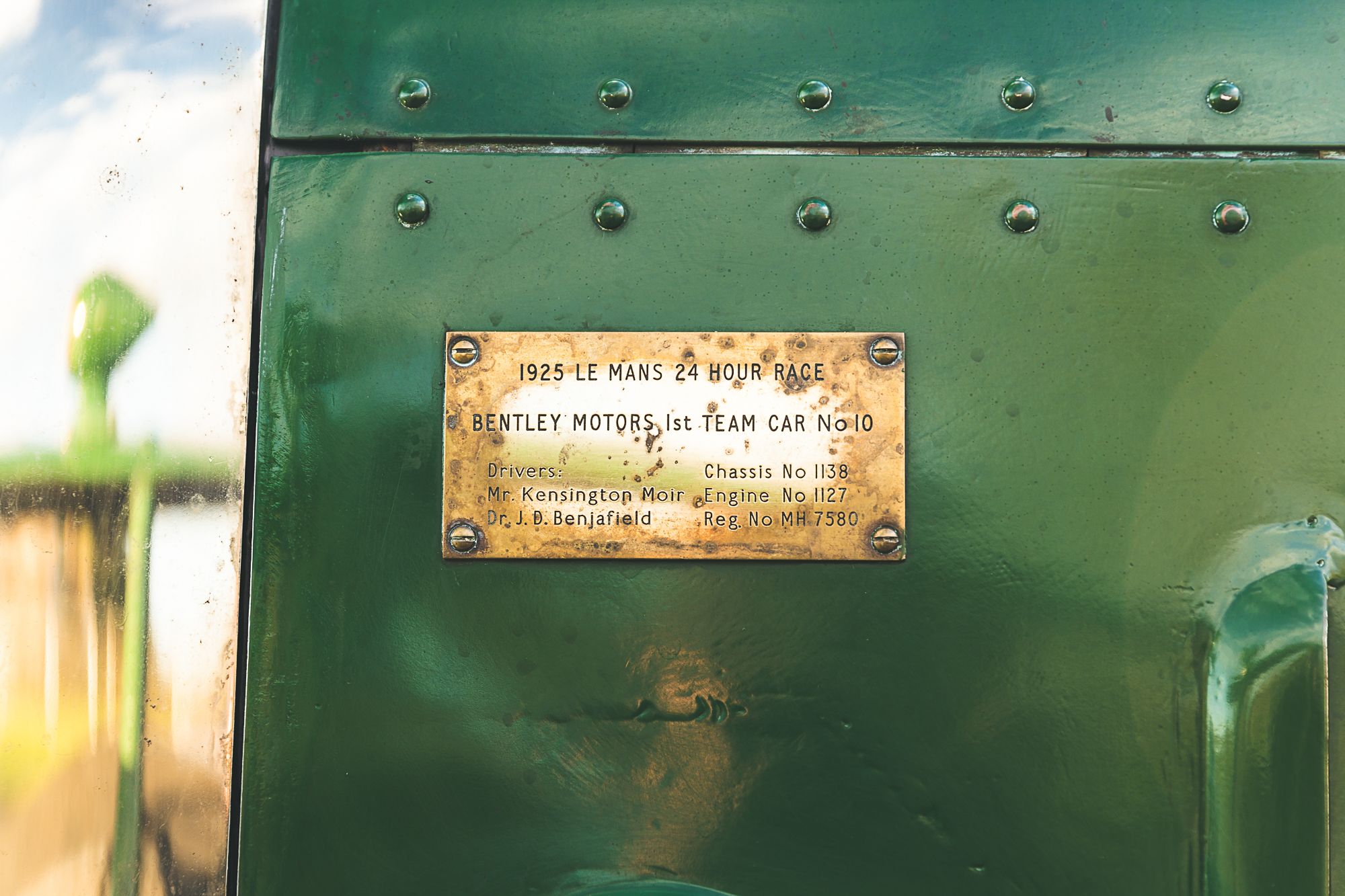
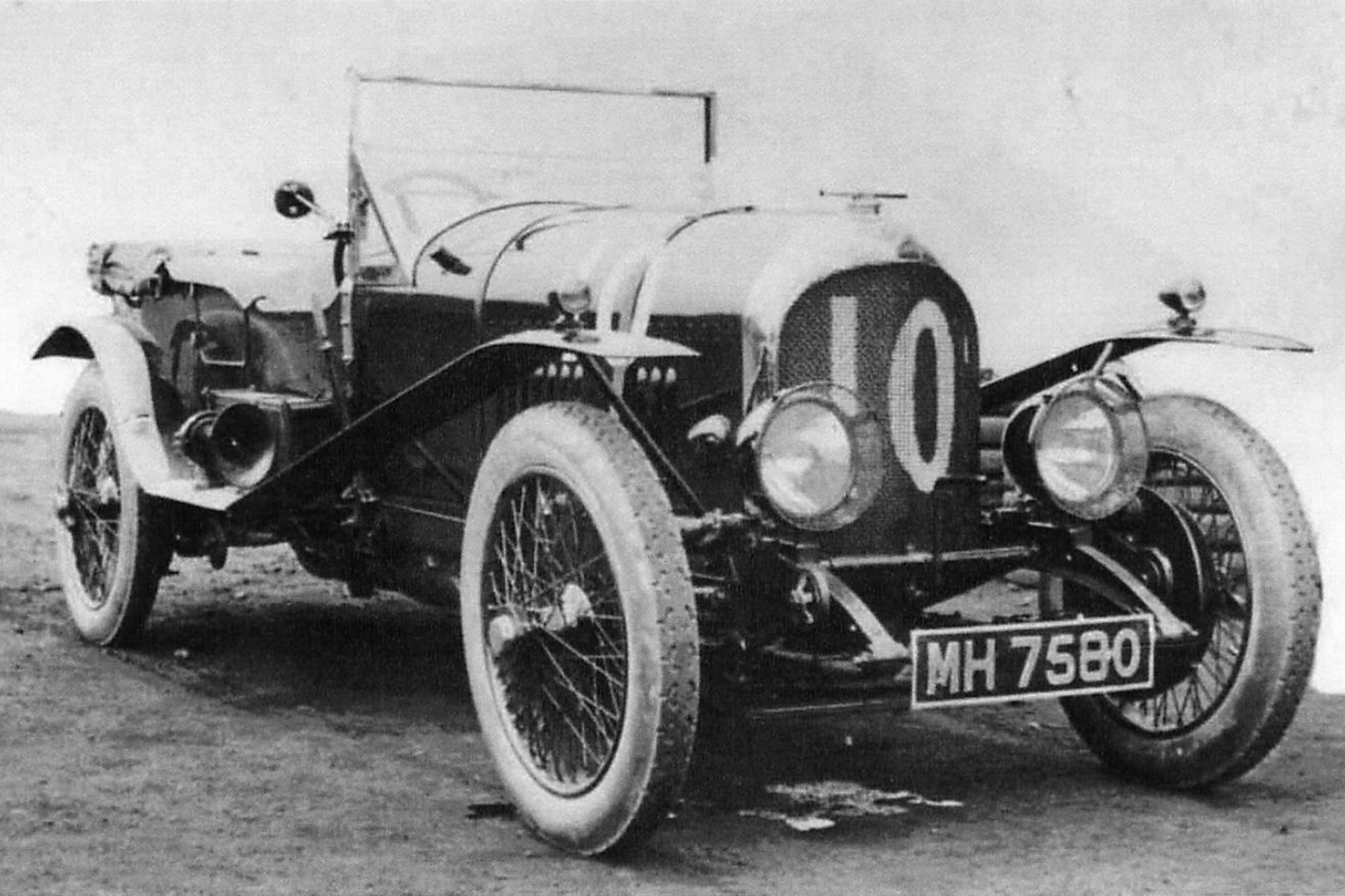
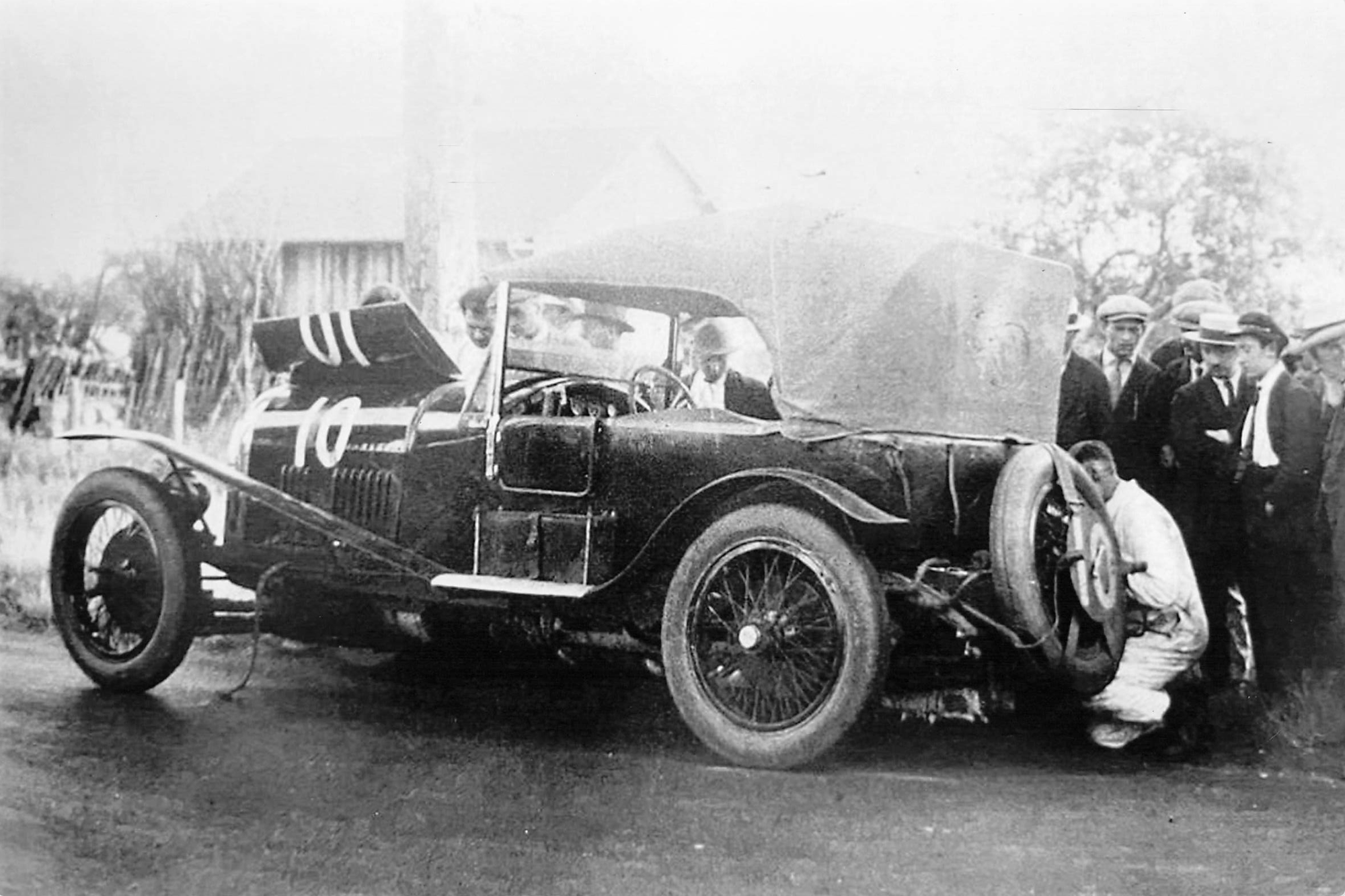
The Bentley legend was forged during the 1920s by its success at the Le Mans 24 Hours, and this 3 Litre holds a unique place in marque history. In 1925, chassis number 1138 became the very first works-entered Bentley to take part in the French endurance classic.
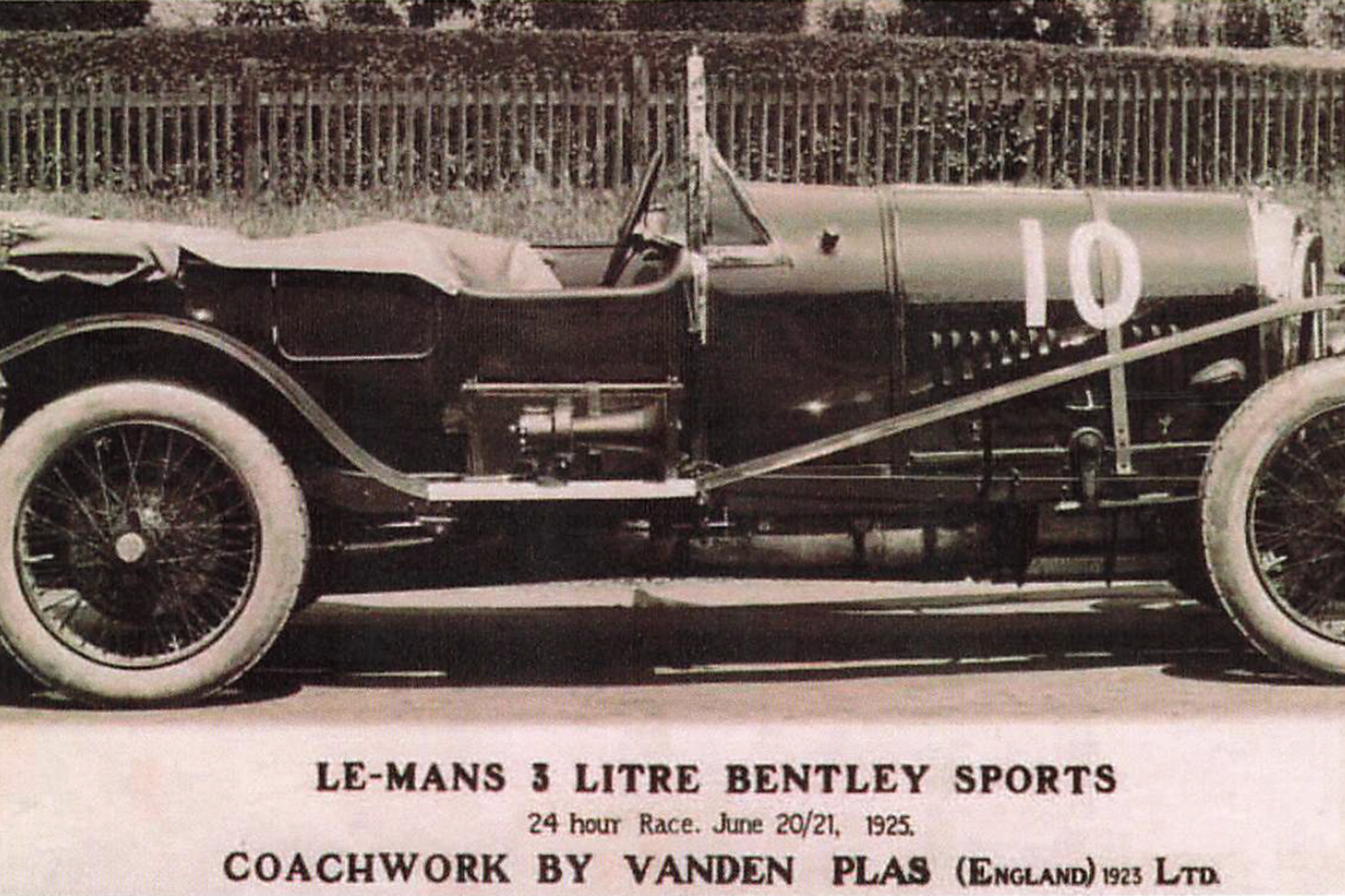
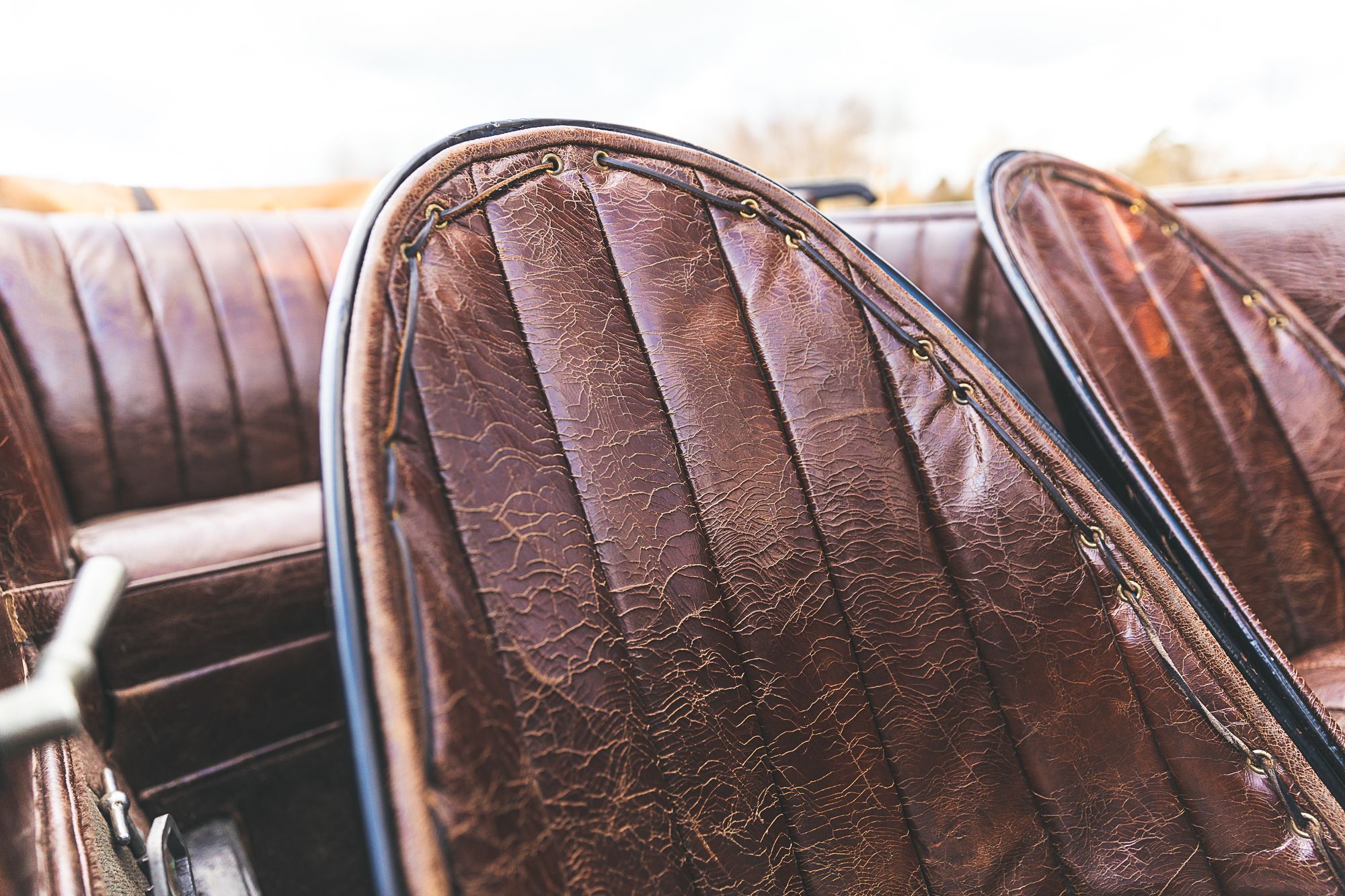
Specially prepared at the factory for that year’s 24 Hours, ‘1138’ was built as a Speed Model with the 9ft 9½in wheelbase. Its engine was painstakingly assembled to Super Sports specification with high-compression pistons and SU ‘sloper’ carburettors, and a larger fuel tank was fitted. The bodywork was by Vanden Plas and lighter front seats were installed.
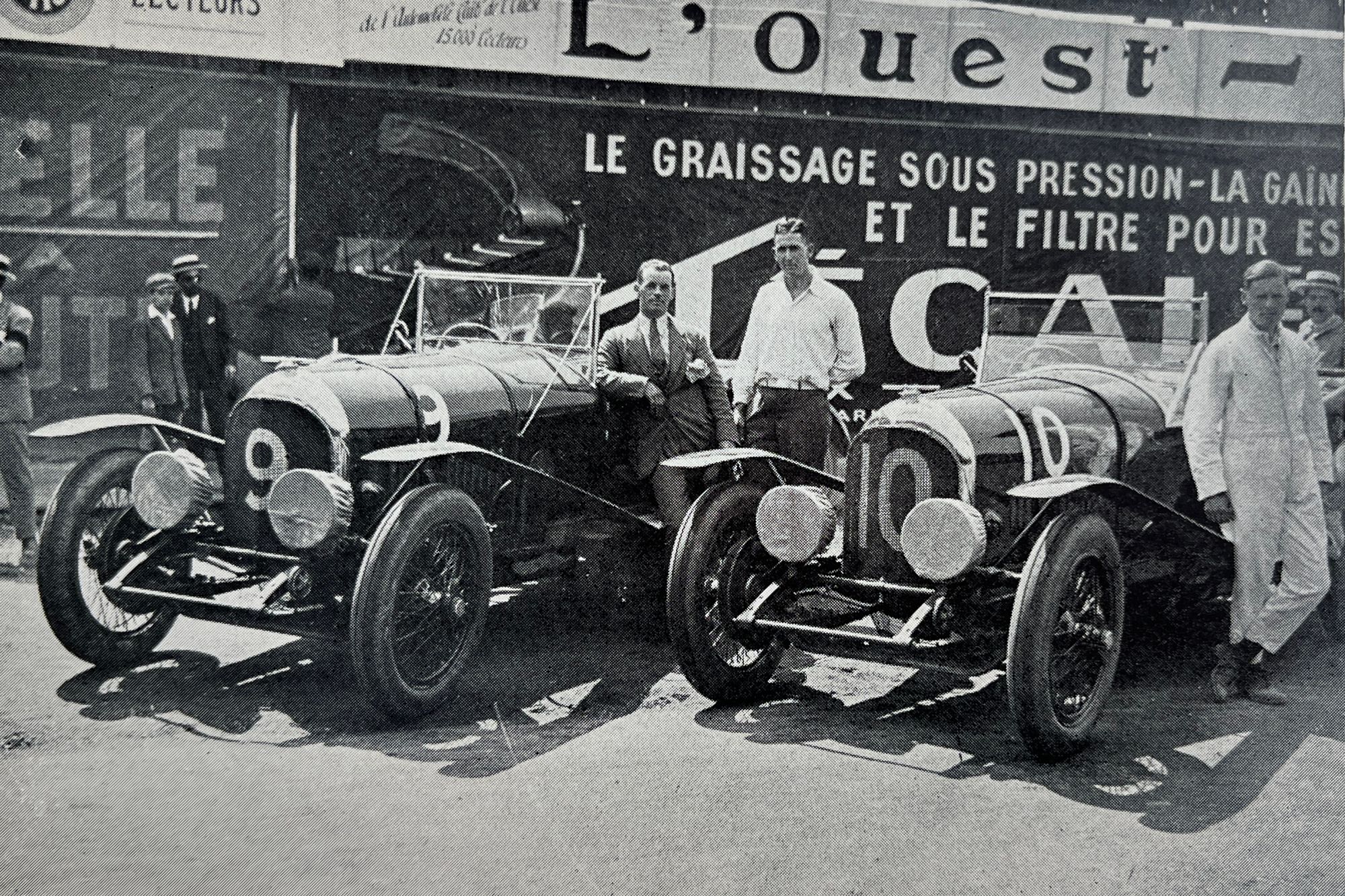
The car would be driven at Le Mans by Dr Dudley Benjafield – a wealthy amateur and one of the original ‘Bentley Boys’ – and Bertie Kensington-Moir, the head of Bentley’s service department. They drove ‘1138’ down to Le Mans with none other than WO Bentley himself as a passenger.
The team carefully calculated the fuel consumption for the race, knowing that the regulations forbade any refuelling before lap 20 – but they overlooked one vital detail. The opening stint had to be completed with the car’s soft-top raised, which caused the fuel consumption to be slightly greater than expected.
Kensington-Moir became embroiled in a battle for the lead with the Sunbeam of Malcolm Campbell and had just overtaken it when ‘1138’ ran dry shortly after completing its 19th lap. Its sister car – privately entered by John Duff – then did likewise, although Duff managed to get it started again after illegally giving it a splash of fuel that he’d collected from the pits.
After the Le Mans disappointment, ‘1138’ returned to the factory and had its engine stripped and rebuilt. It was then used as a demonstrator by early Bentley investor, test-driver and salesman Arthur Hillstead, and was pictured in an article about the 3 Litre that appeared in The Motor in November 1925.
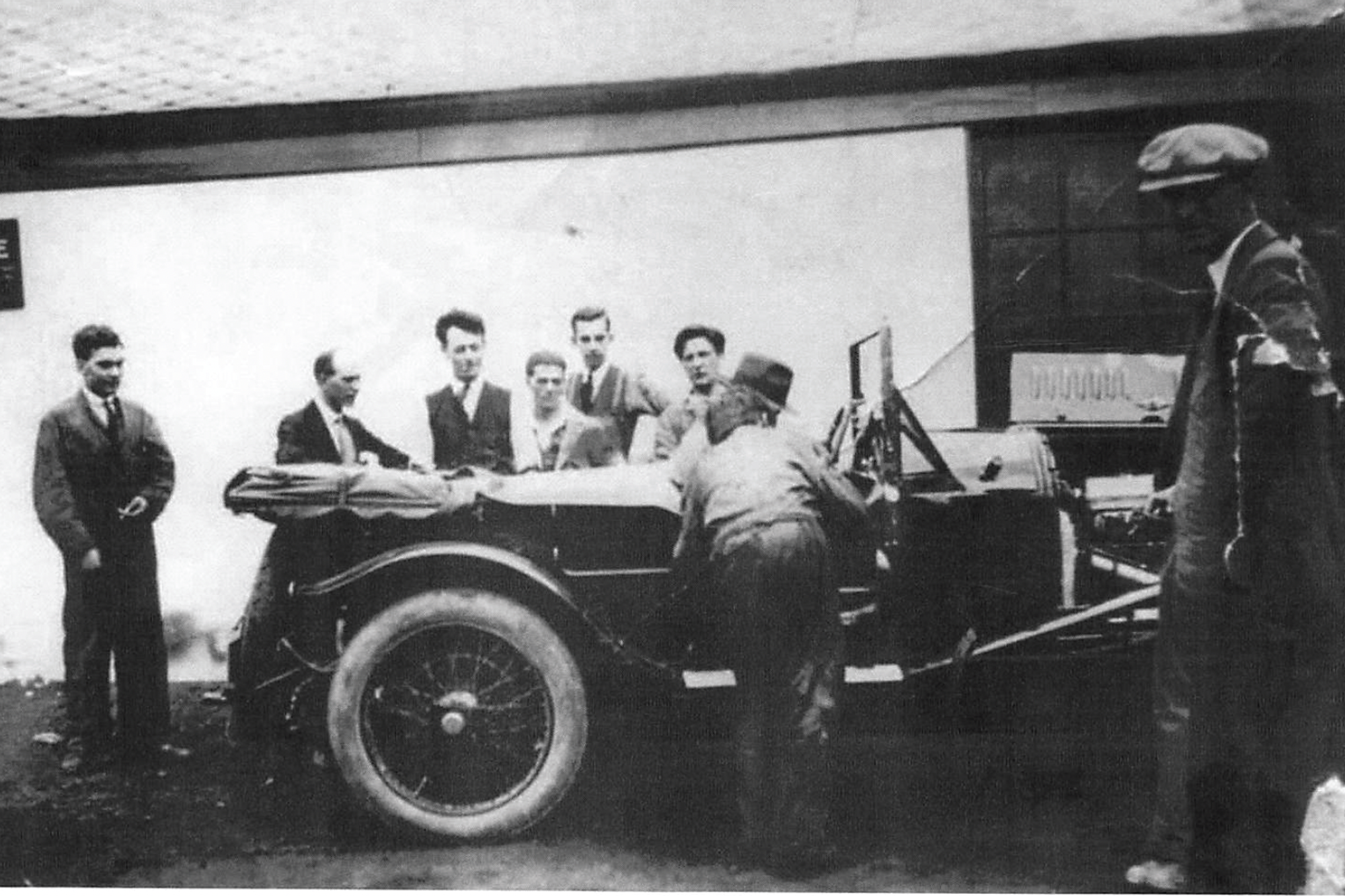
Between 1926 and 1929, ‘1138’ was owned by furniture dealer Douglas Wood, who had it serviced by Bentley. It then had a short spell in Scotland with Dr Ronald Bruce and Mr A Maxwell, before it was sold in 1935 to Captain James Percy – a pilot for Imperial Airways.
In 1938, the Bentley was bought by Gordon Tait, a 26-year-old architect who served in the RAF during the war. By March 1947, the Bentley Drivers’ Club magazine named George Keeling as the owner, with subsequent British custodians including Surrey-based engineer Bill Shortt, Peter Prince, Michael Jacobs and Bill Lake.
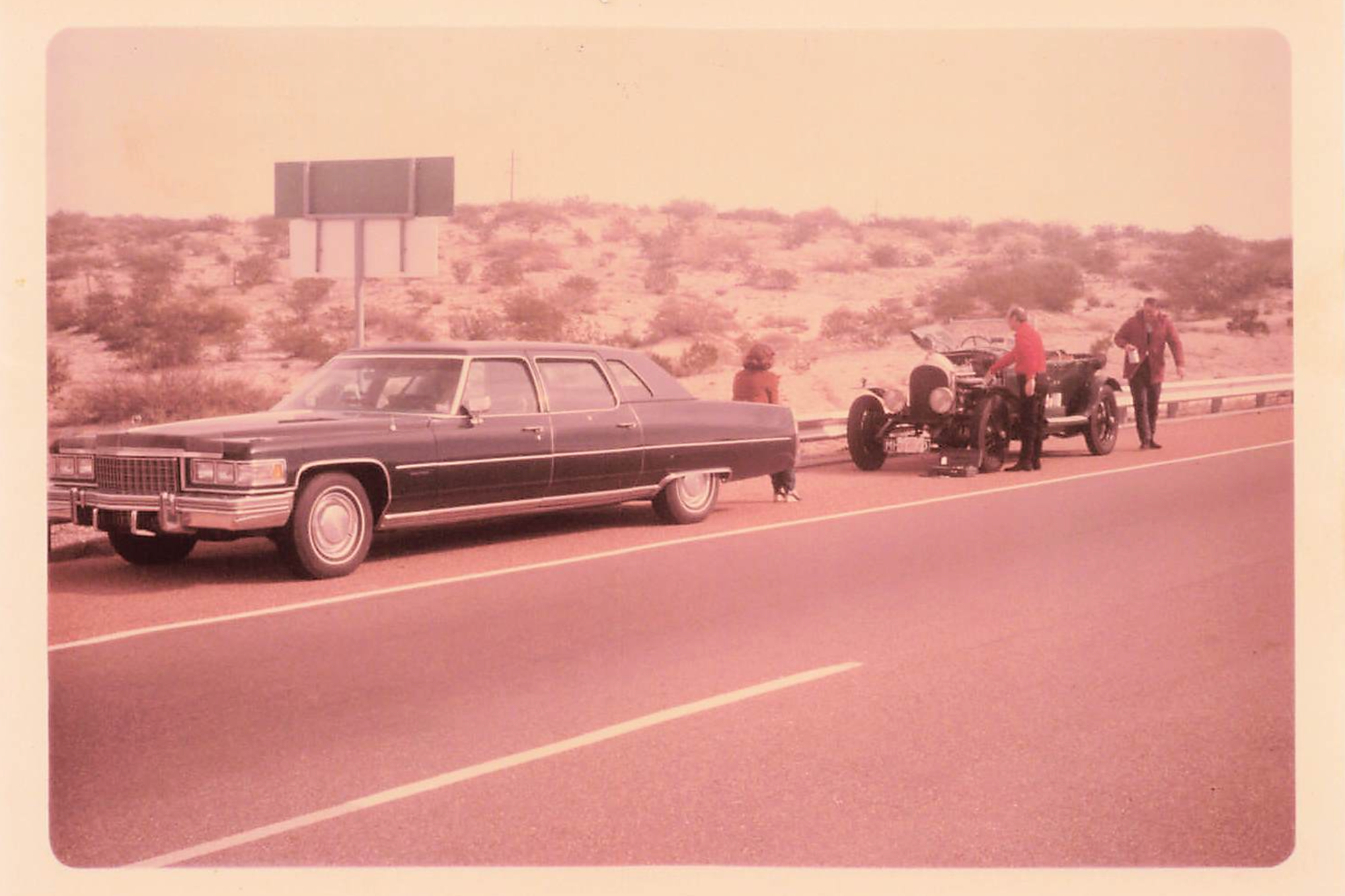
In 1965, ‘1138’ was acquired by James Appleby of Washington, DC, and the Bentley began a long period in American ownership. Appleby’s family retained the car after he’d died, before selling it in 1976 to businessman and philanthropist Don Weber – a enthusiastic collector who served as a judge at the Pebble Beach Concours d’Elegance for 19 years.
Weber had the Bentley shipped to the UK in 1985 so he could drive it to Le Mans to celebrate the 60th anniversary of its appearance in the 24 Hours – a trip that he called ‘a memorable journey into the past’.
In 1994, Weber sold ‘1138’ to Peter Leach, which meant that the Bentley returned to British shores. It was acquired three years later by David McAlpine, and between 2001 and 2010 it was owned by Alan Michin. He had a full ‘rolling restoration’ carried out with the intention of returning the Bentley to how it was when it had been raced in 1925, while continuing to use it for touring, events and regular pilgrimages to Le Mans.
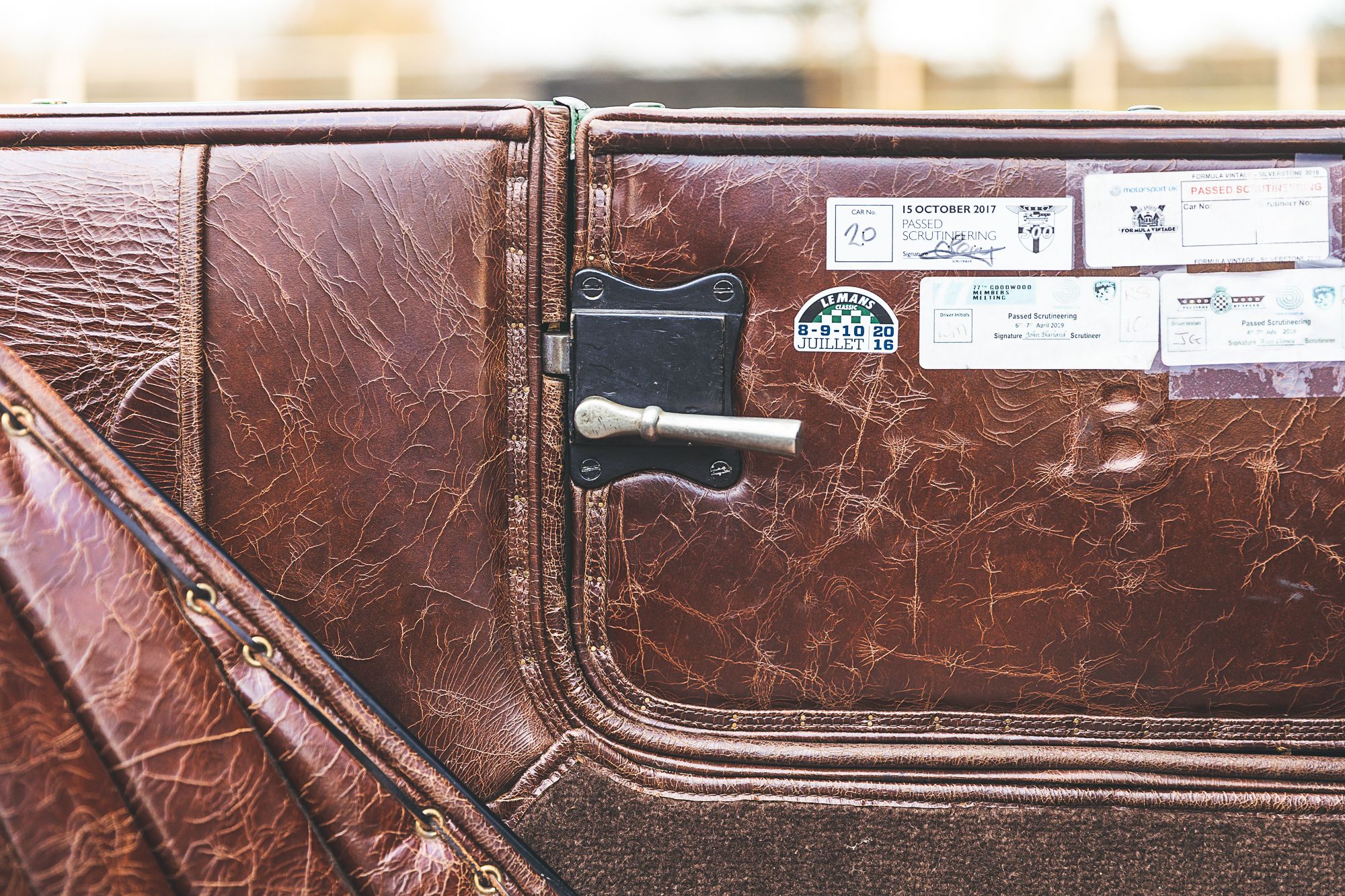
Minchin sold ‘1138’ in 2010 to a well-known British racer and collector, and three years later Bentley authority Clare Hay compiled a full report on the car, which is part of its vast history file. In recent years, it has been enthusiastically campaigned at events such as the 1000 Mile Trial, the Benjafield’s 100, and the Goodwood Festival of Speed, Members’ Meeting and Revival.
It also raced at the 2016 Le Mans Classic and was driven to and from the circuit on the road – just as Benjafield, Kensington-Moir and WO Bentley had done 91 years earlier.
Each of the company’s Le Mans team cars represents a valuable piece of marque history, but ‘1138’ stands alone as being the very first. Beautifully presented and boasting unbroken provenance, it must rank as being one of the most significant Bentleys ever made.
 UK
UK

Fiskens, 14 Queens Gate Place Mews, London, SW7 5BQ
|
Phone: +44 (0)20 7584 3503
© 2026 FISKENS Ltd. Registered Company Number: 3382047
Terms of Use | Privacy and Cookies Policy Site by racecar