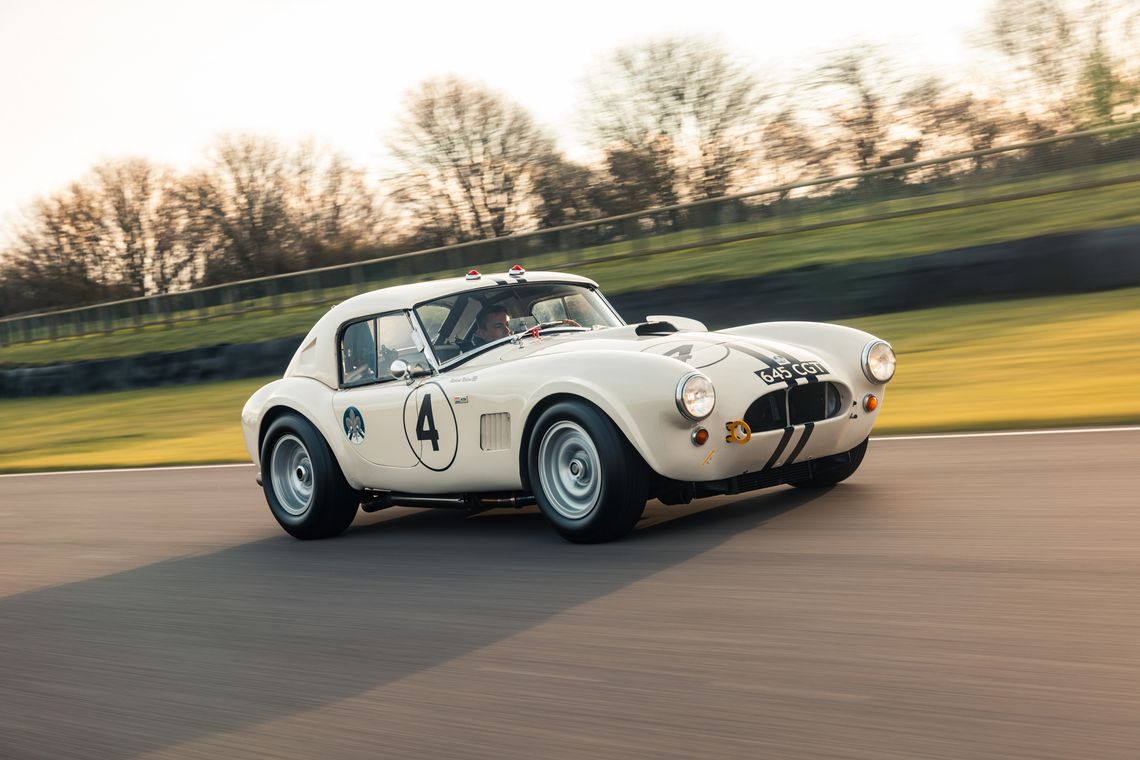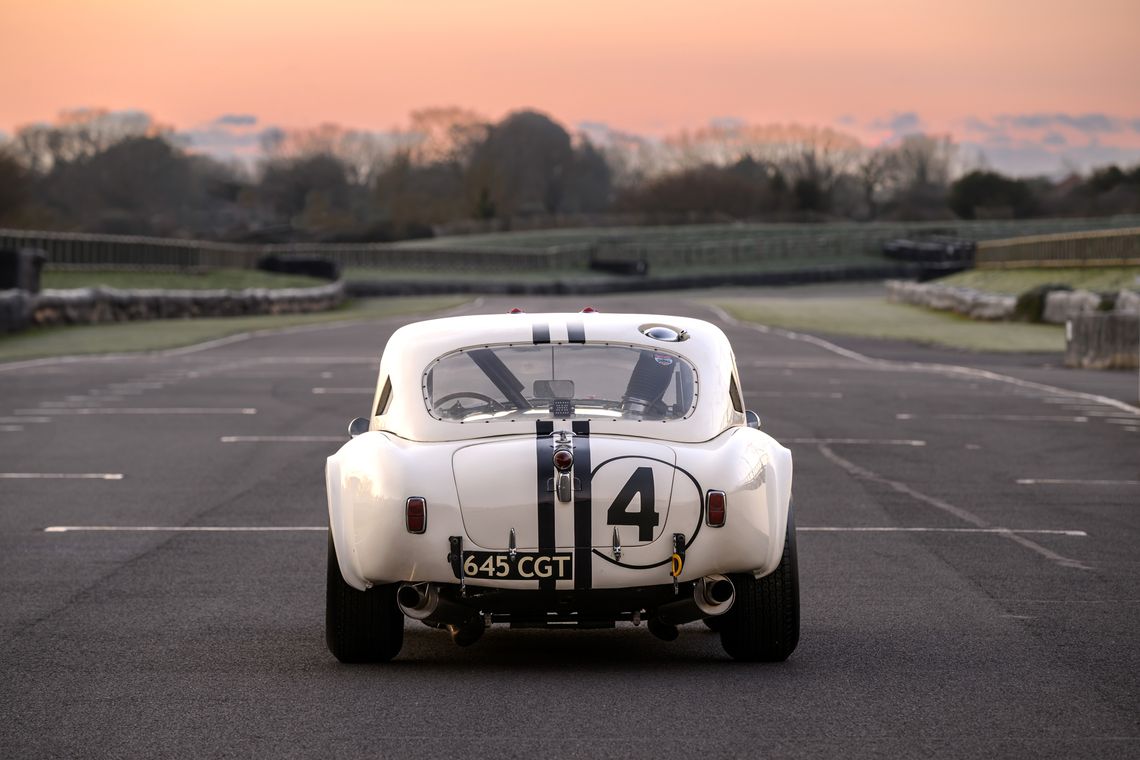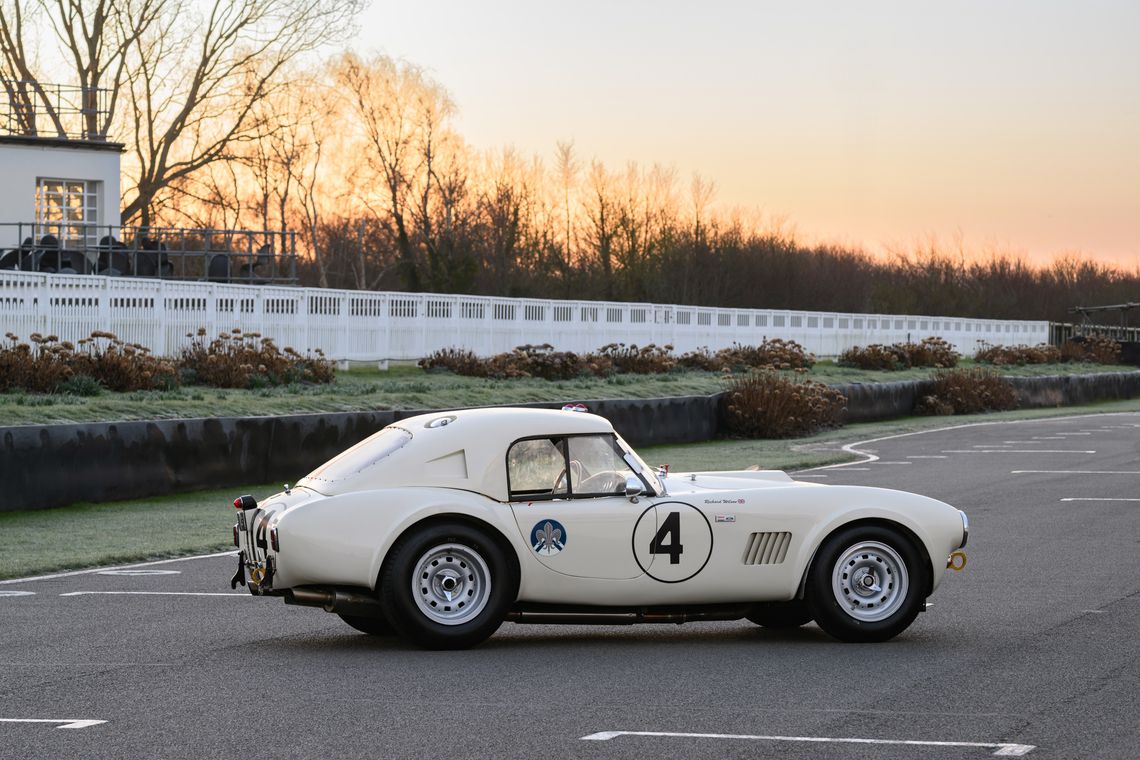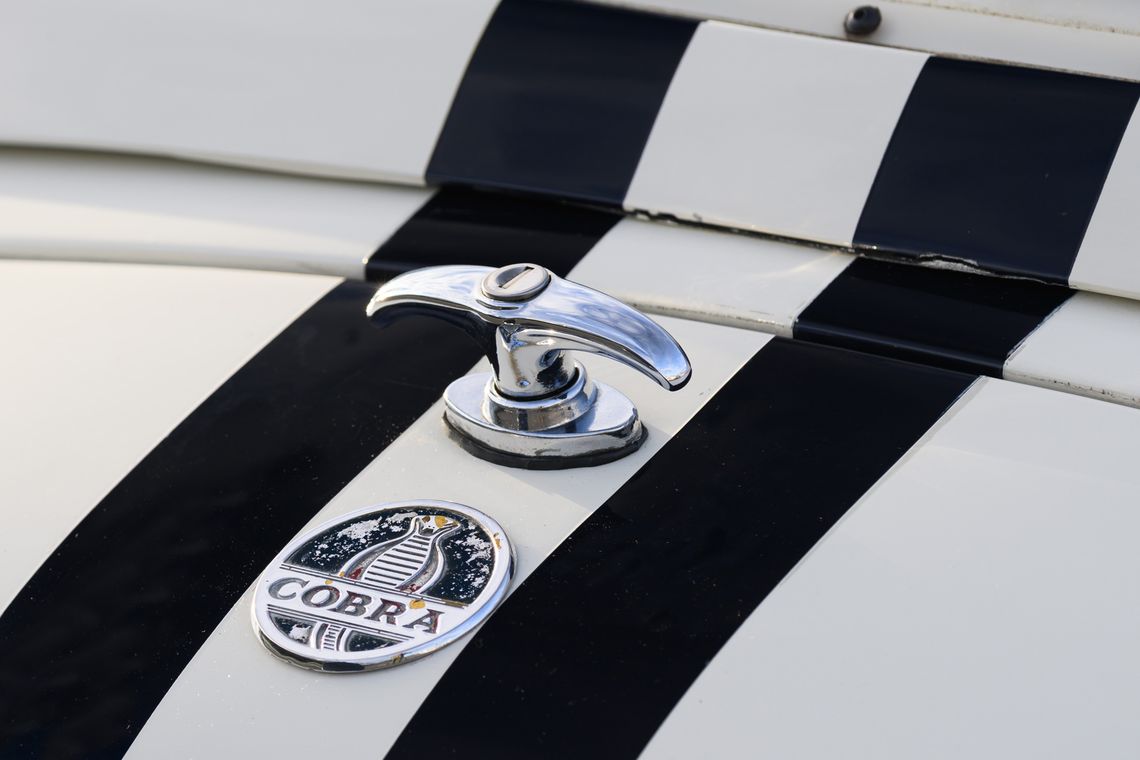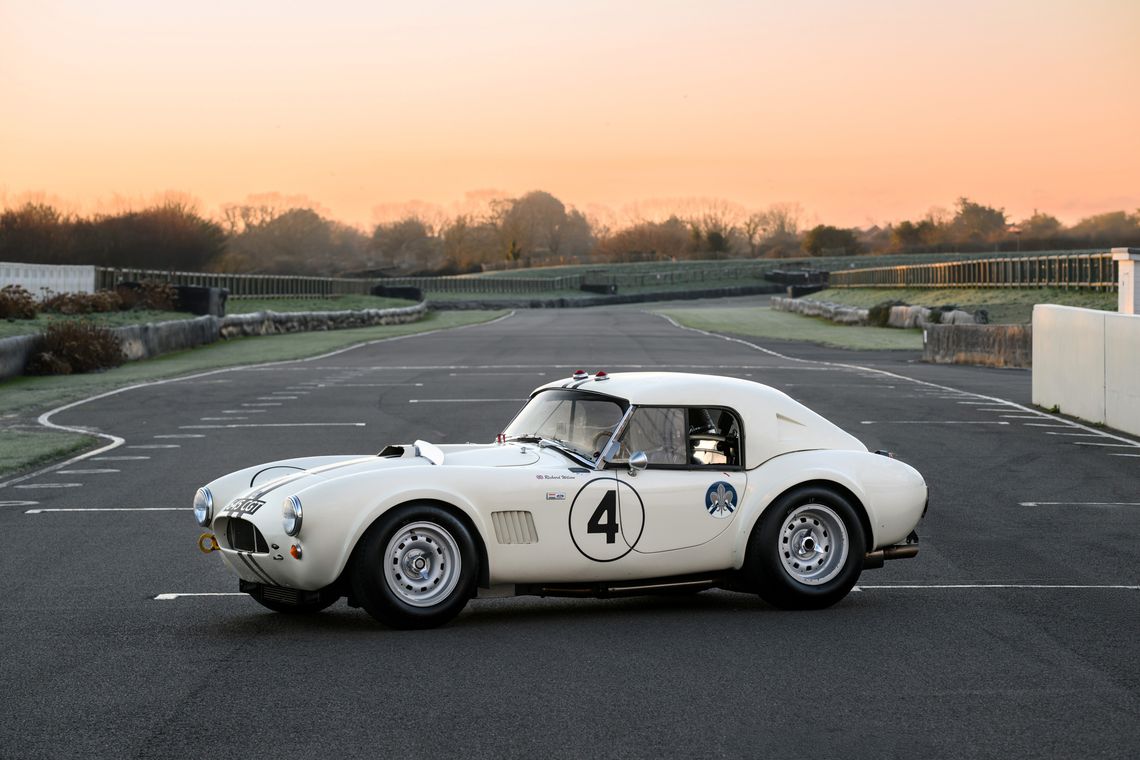
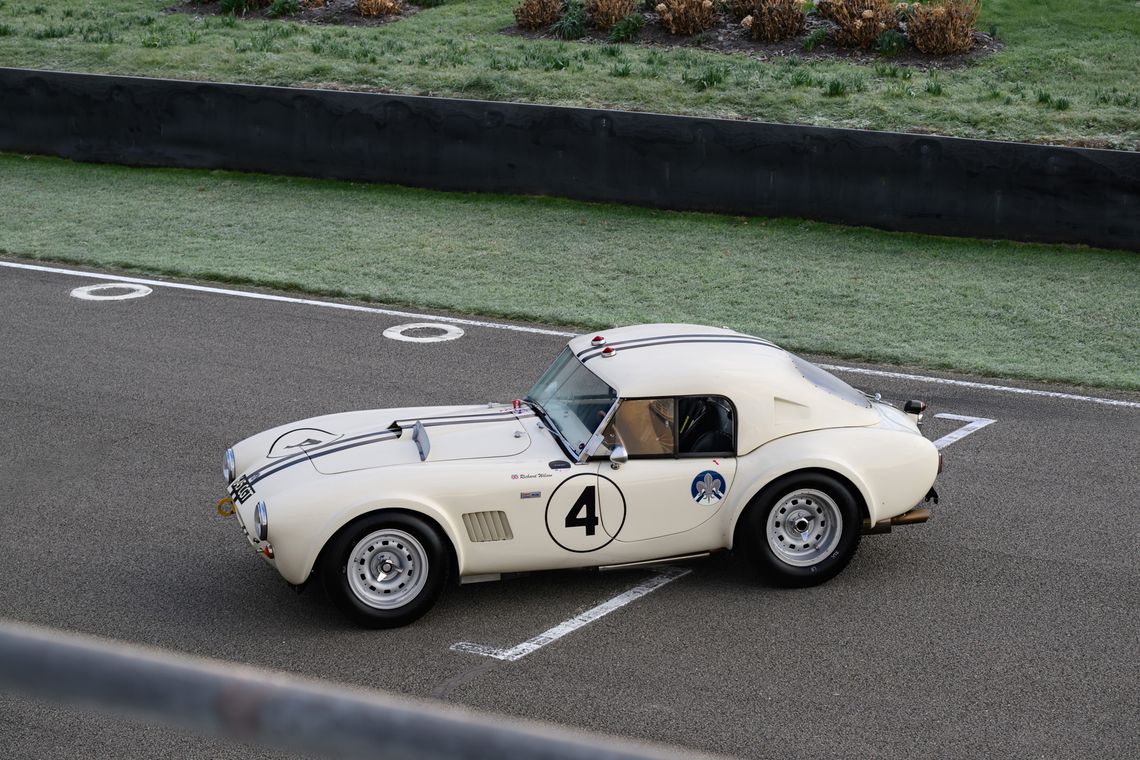

1963 Shelby Cobra 289 CSX 2142
In 1959, Carroll Shelby won Le Mans in the Aston Martin DBR1 alongside Roy Salvadori. After the race, Shelby was holed up at a Goodwood facility awaiting his flight back to the US alongside Ed Hugus who had competed in a Porsche 718 RSK. One simple hypothetical between friends changed the course of history. What car would you build if you could? Hugus suggested the AC Ace as a basis to Shelby, having been impressed with their performance as a competitor but lamenting their lack of power. Hugus put Shelby in touch with Derek Hurlock whose family owned AC Cars, but after that the case went cold. As friends do, Hugus and Shelby bandied the idea around each time their paths crossed, but it was Hugus’ suggestion that he retail and promote their brainchild through his dealership European Cars that got the project off of the ground.
Shelby and Ford grew the Cobra project but alongside it grew Shelby’s resentment toward Hugus who was clearly favoured by Ford’s administration. Hugus proposed European competition in 1963, but Shelby wasn’t keen on the idea so, buoyed by his firm belief in the Cobra’s prowess entered the cars himself. Hugus ordered a car from AC and incorporated all of the updates and technology accrued both at Shelby American and European Cars. CSX 2142 was slated to debut at Nassau Speed Week in December 1962 and to prove itself at the Sebring 12 Hours in March 1963, but as tensions rose with Shelby, Hugus and Hurlock postponed delivery so as not to overshadow Shelby and Ford’s launch.
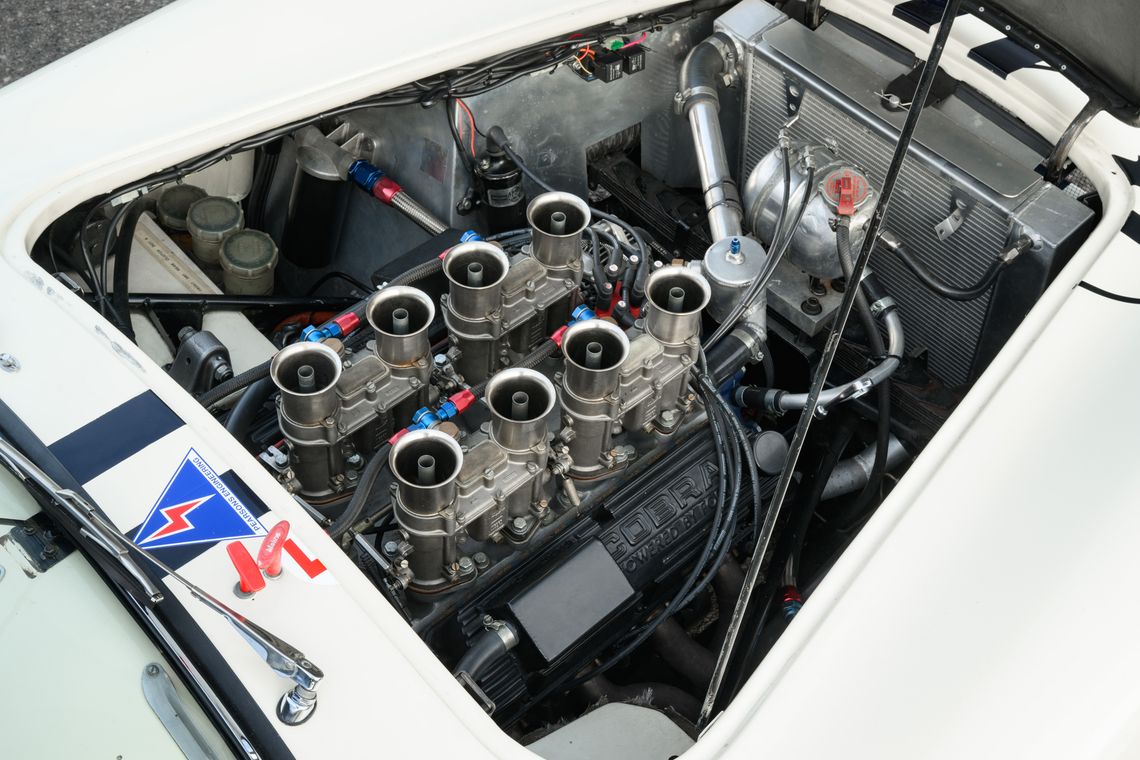
With no Shelby American entries planned for Le Mans, Hugus was in the clear and AC Cars joined him with an entry. Alongside CSX 2142, two further RHD competition cars were constructed at AC - CS2130 and CS2131. Ford Motor Company, whilst not directly involved, were keen to help where they could and organised a supply of special engines and transmissions as well as their top racing mechanic Phil Remington to oversee installation. Unknown to Hugus, CSX2142 received engine number X11, a special and highly tuned development engine, while CS 2131 (39 PH), the only other car finished in time, was fitted with a “slightly modified” engine.
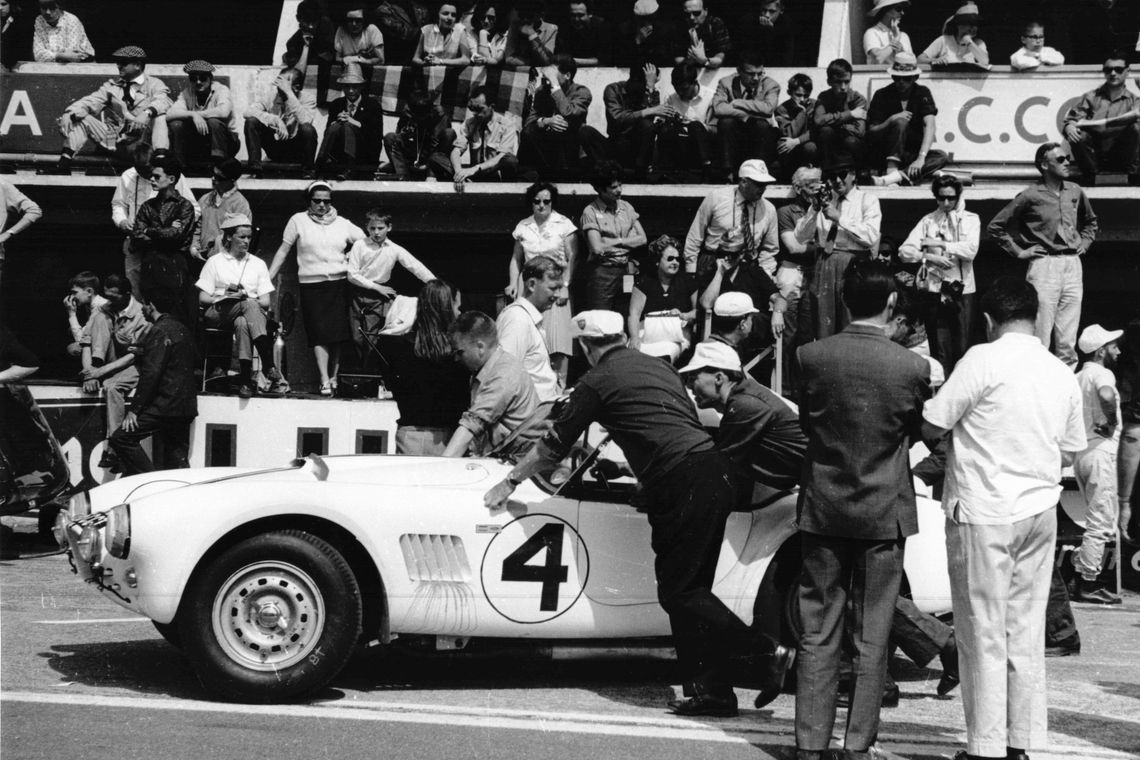
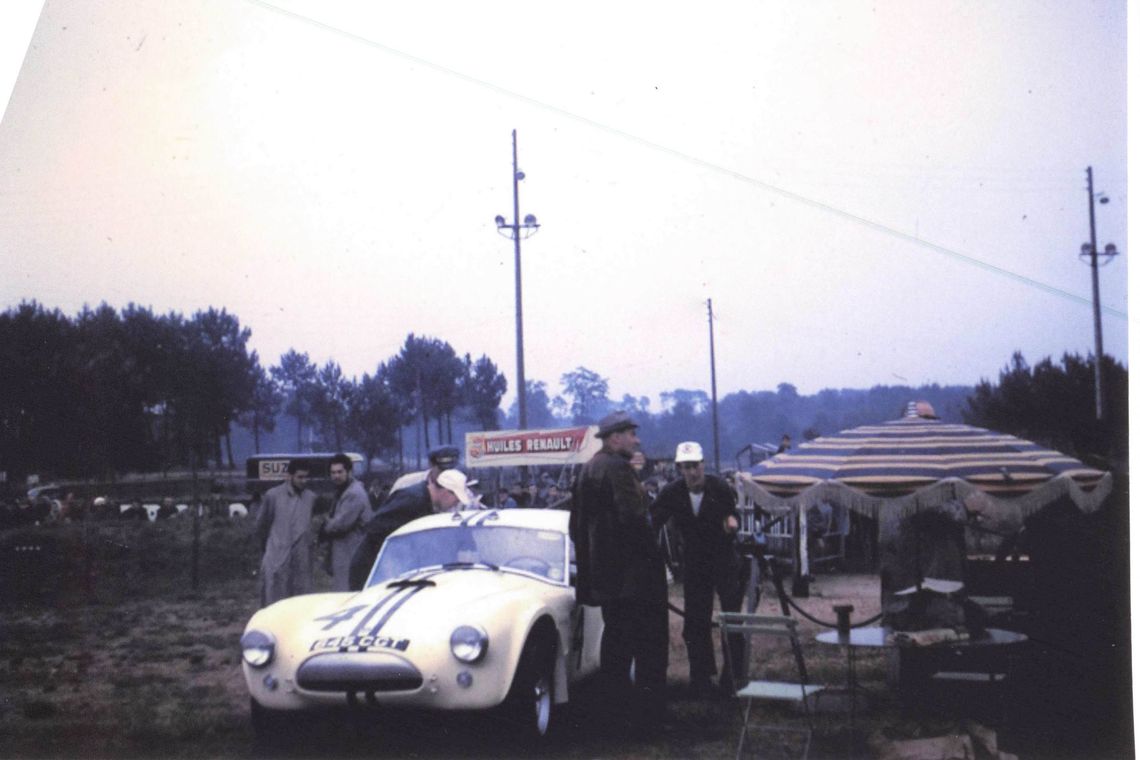
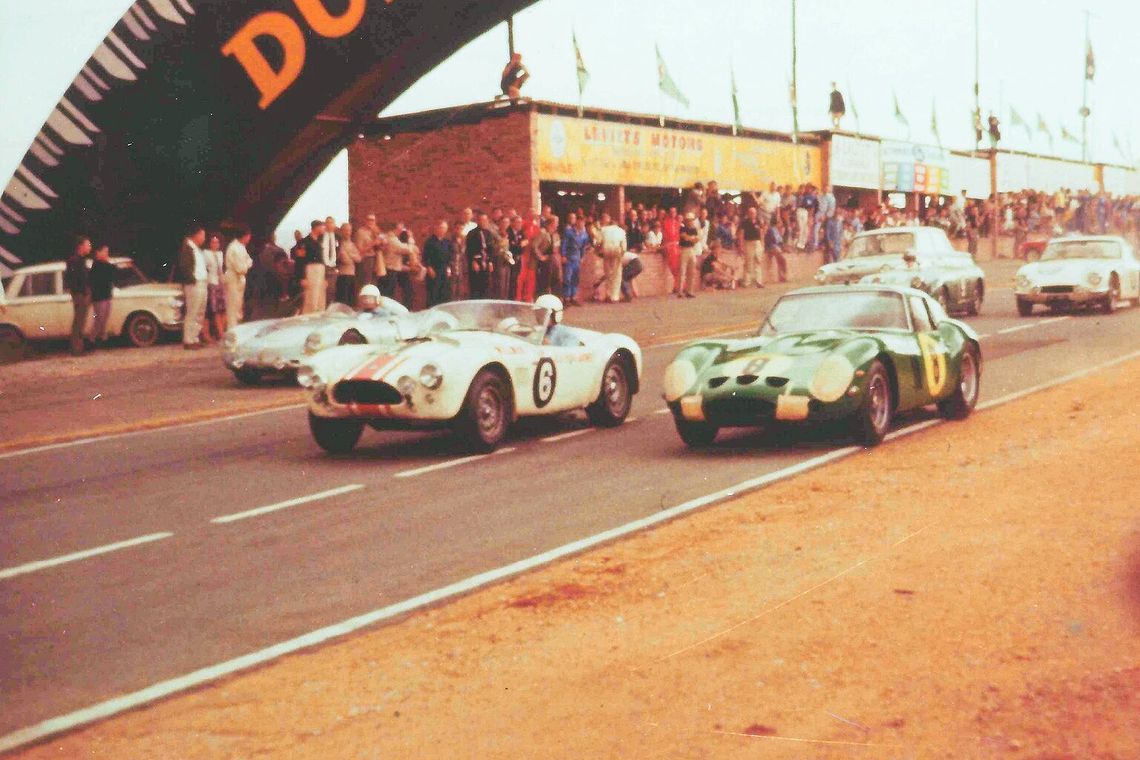
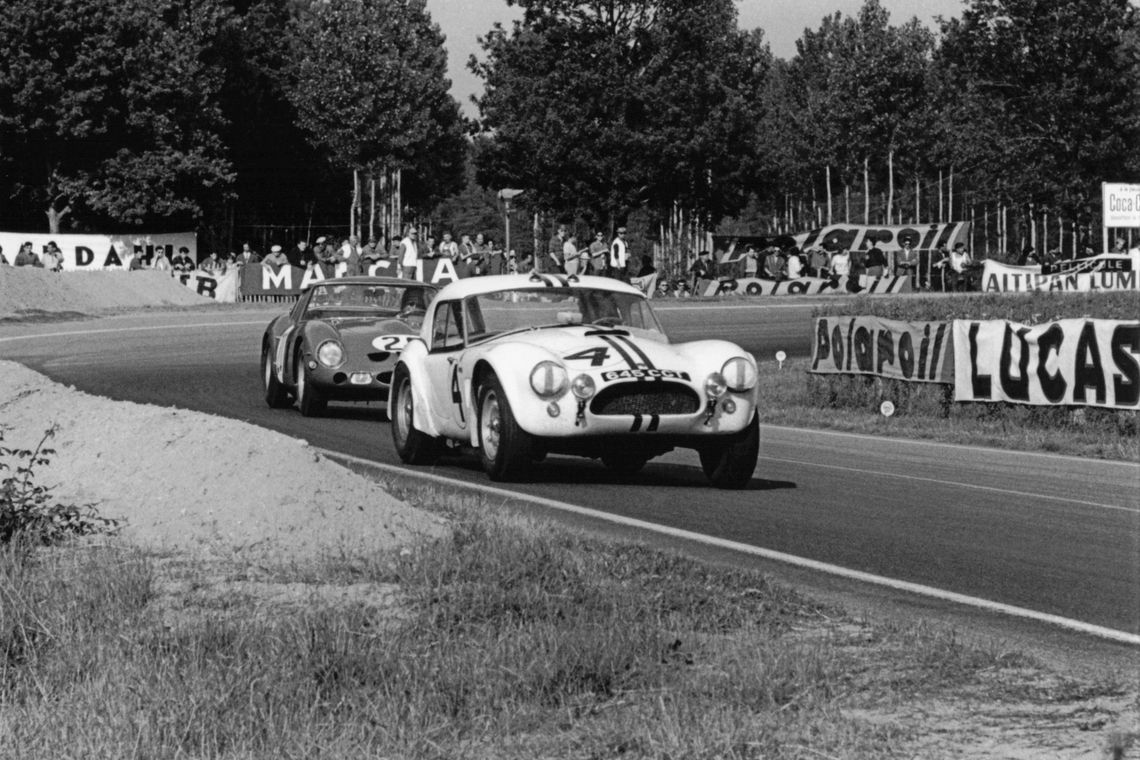
Le Mans was to be the Cobra’s first race outside of North America. The outing was sponsored by The Sunday Times, and Innes Ireland recruited the recently retired Stirling Moss to be the team manager. Whilst Shelby wasn’t’ there on official duty, he inevitably appeared around the AC pit. At Scrutineering CSX 2142 was weighed at 937 kg, with a blanking plate fitted over the nose aperture and the front quick lift jacking points removed. Extra wheel spats, much like mud guards were added to bring the large tyre profile inside the extremities of the bodywork.
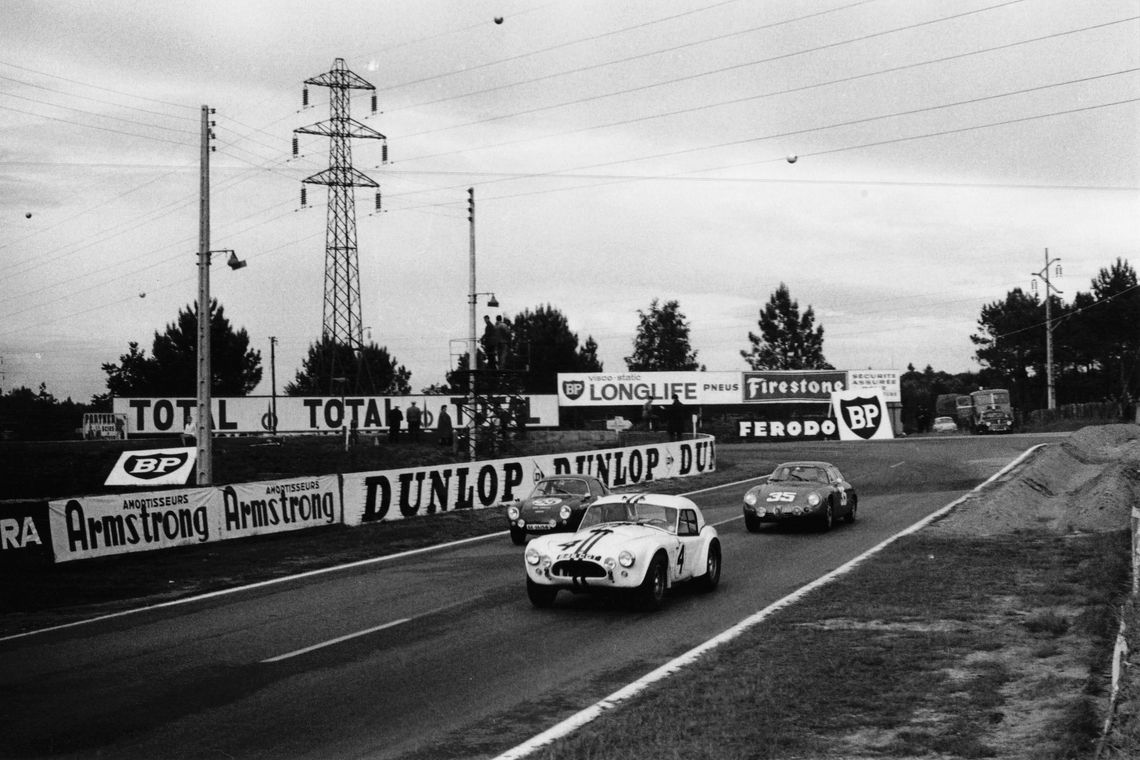
Hugus qualified CSX 2142 in 24th position, one second behind 39 PH and 0.7 seconds behind the Lola MK6 GT (that would later evolve into the GT40). Unfortunately, 2142 had sprung an oil leak in the left side of the Shelby American engine which would eventually prove their downfall in the main event.
Hugus took the first stint in the 24 hour race, and had moved up the order to 15th by the end of the third hour. The oil leak had worsened and could be seen emerging from the side vent. Around 11pm on lap 79, CSX 2142 pitted for a repair to loose exhaust manifolds. Worried about the engine’s longevity, Hugus instructed Jopp, who was taking the next stint, to ease up on pace and bring the revs down on the engine. Just three laps after the beginning of his leg, Jopp pitted again for more oil, however this was illegal and resulted in CSX 2142 being disqualified. Reports following the race put the DNF down to engine failure with a broken connecting rod, which is substantiated by photos of CSX 2142 parked on the side of the circuit.
Following Le Mans, Hugus returned to the states and as he felt his racing days were coming to an end, asked Derek Hurlock to find a buyer for CSX 2142. Along with 39 PH and the now finished CSX 2131, CSX 2142 passed to John Willment and were fitted with new engines. Willment was a key player in the racing successes of Ford and later Porsche at JW Automotive.
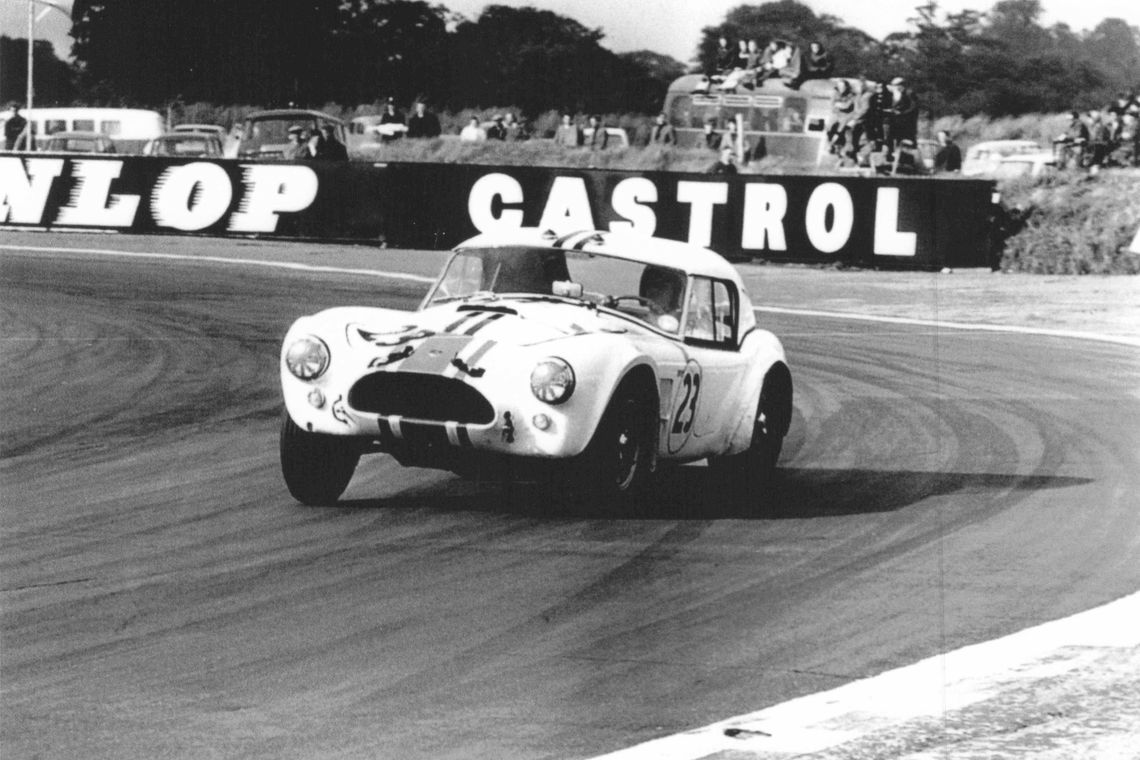
Testing began at Brands Hatch with South African Bob Olthoff declaring the cars “undrivable.” Whilst Shelby insisted “‘ain’t nothing wrong with the Goddamn car, its the driver” he did then send Ken Miles offer who subsequently went off in the first corner he attempted. Miles worked with Willment on the suspension and happy with the results JWA entered CSX 2142 and 39 PH into the RAC Tourist Trophy at Goodwood. With Olthoff, Sears and Miles at JWA’s disposal, anticipation was high but Scrutineering dashed their hopes as the Cobras due to insufficient clearance. After Goodwood, The Willment team went to Snetterton for the Autosport 3 Hours. Olthoff solo qualified but retired in the race.
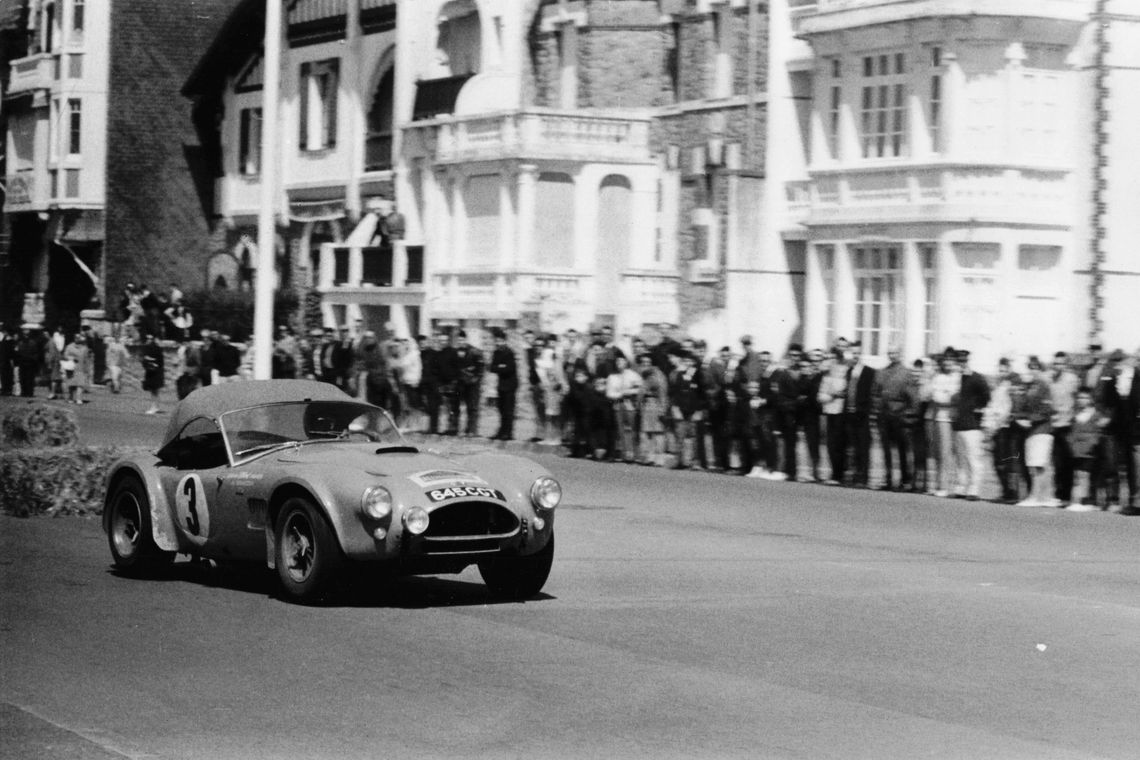
For winter, CSX2142 joined Olthoff in South Africa for the Kyalami 9 hours where it finished 2nd, and the South African GP meeting at Rand where it won. CSX 2142 returned from South Africa and was purchased by Ford France in time for the 1964 French Championship season. Painted in French Blue, with Halibrand wheels and without a hard top, as shown on the front of a 1975 John Asher Single.
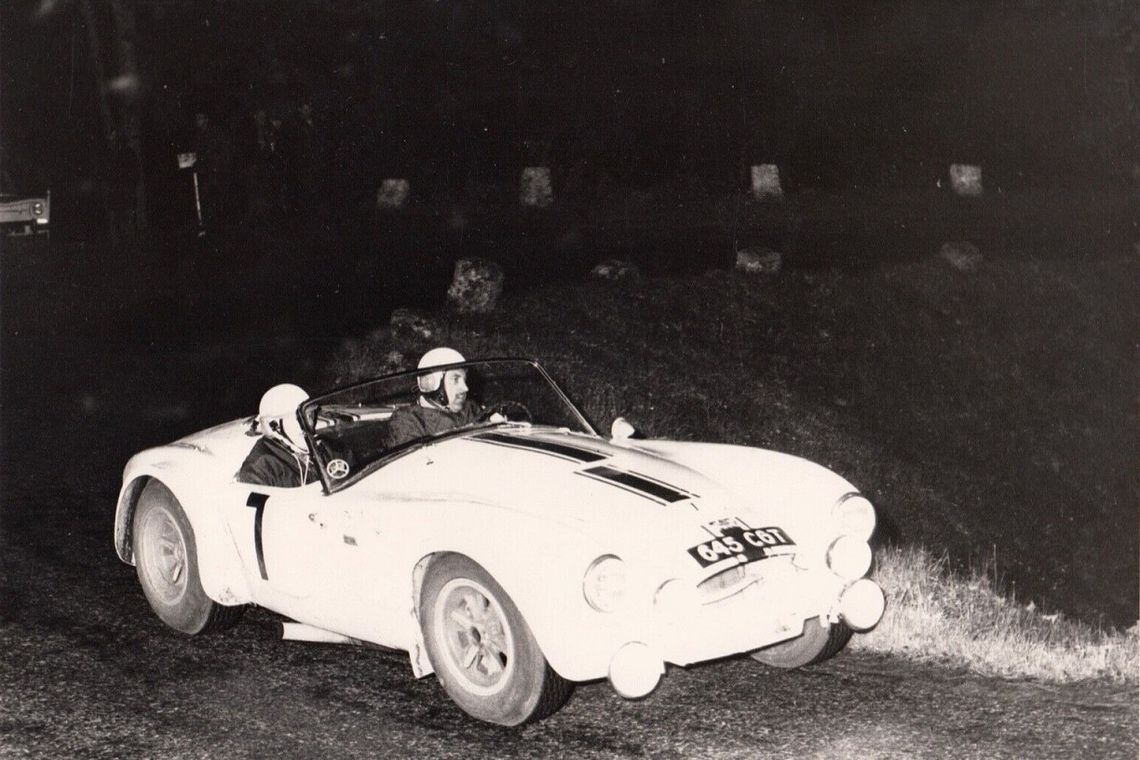
CSX 2142 first raced at the Rallye de Picardie in May 1965 with Jo Schlesser and Henry Greder finishing 2nd overall. Schlesser continued through the season with CSX 2142, taking 3rd in the Rallye de La Baule, 4th O.A. and 1st I.C. at the Mont Ventoux Hillclimb, and concluded the season at the Tour de Corse, but did not finish.
In the 1965 French Championship, CSX 2142 was with Schlesser again where it appeared at the Routes du Nord (DNF), Rallye du Limousin (3rd O.A.), Rallye de Lorraine (1st O.A.), Rallye de la Baule (DNF) and Mont Ventoux Hillclimb where the CSX 2142 caught fire. Near the finish line, CSX 2142 ignited and Schlesser stopped to one side of the road. He escaped unharmed, but the centre section of the Cobra burned.
The damaged CSX 2142 was sold to French Cobra racer Jean Marie Vincent in mid 1965, who had been campaigning the Hugus/European Cars built CSX2001. He was particularly interested in the special competition parts and Halibrand wheels that accompanied CSX2142. Vincent also owned COX 6010, the French Mortemart Cobra, which was raced by Count Jean de Mortemart and Régis Fraissinet at Le Mans in 1964. Since the event, COX 6010 had sustained front-end damage to the chassis and body at Montlhery. Vincent used parts from COX 6010 to rebuild CSX 2142.
Vincent sold the ‘finished’ CSX 2142 to Michel Gaurdard over the winter of 1965 but on his drive back to Paris, the enigne blew up. Gaurdard left the Cobra with Garage Intersport Paris before it was returned to Jean Marie Vincent who stored it in a parking space in Paris. Eventually, Vincent’s mother needed the parking space, so CSX 2142 was sent to a scrapyard in Clemart, Paris where it was purchased by Bernard Maitre. After a few months, Maitre then sold CSX 2142 to Bernard Alter who also owned another Cobra. He repaired some of the existing body frame, replacing missing tubes where needed and bought an original aluminium Cobra body skin which he used to some degree. The rebuild was completed around 1984 and Afchain obtained a Carte grise in 1989.
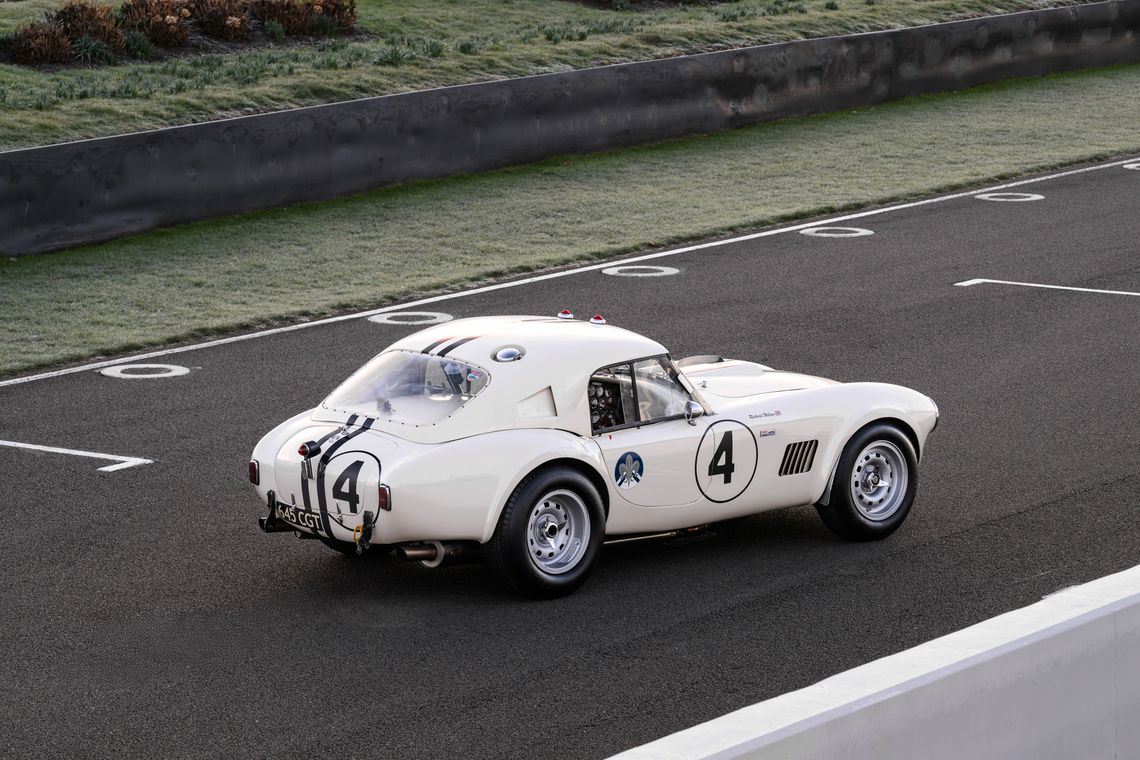
In March 1990 CSX 2142 was sold to Bernard Merian and then on to Yvan Mahe who competed with her in a number of events, including Le Mans and Montlhery, where Bernard Maitre recognised the car he had bought in 1969. In 2001 Mahe sold CSX 2142 to British racer Kevin Kivlochan. Kivlochan sold CSX 2151, better known as Hairy Canary, to buy 2142. Under his ownership, Roger Dawson took CSX 2142 back to Le Mans Specification. After two years of ownership, Kivlochan sold CSX 2142 to Frank Sytner. Sytner was a former British Touring Car Champion and had CSX 2142 restored and prepared at Simon Hadfield Motorsport. The original type Dunlop wheels were reinstated, and an independent report was carried out by Robin Stainer of the AC Owners’ Club.
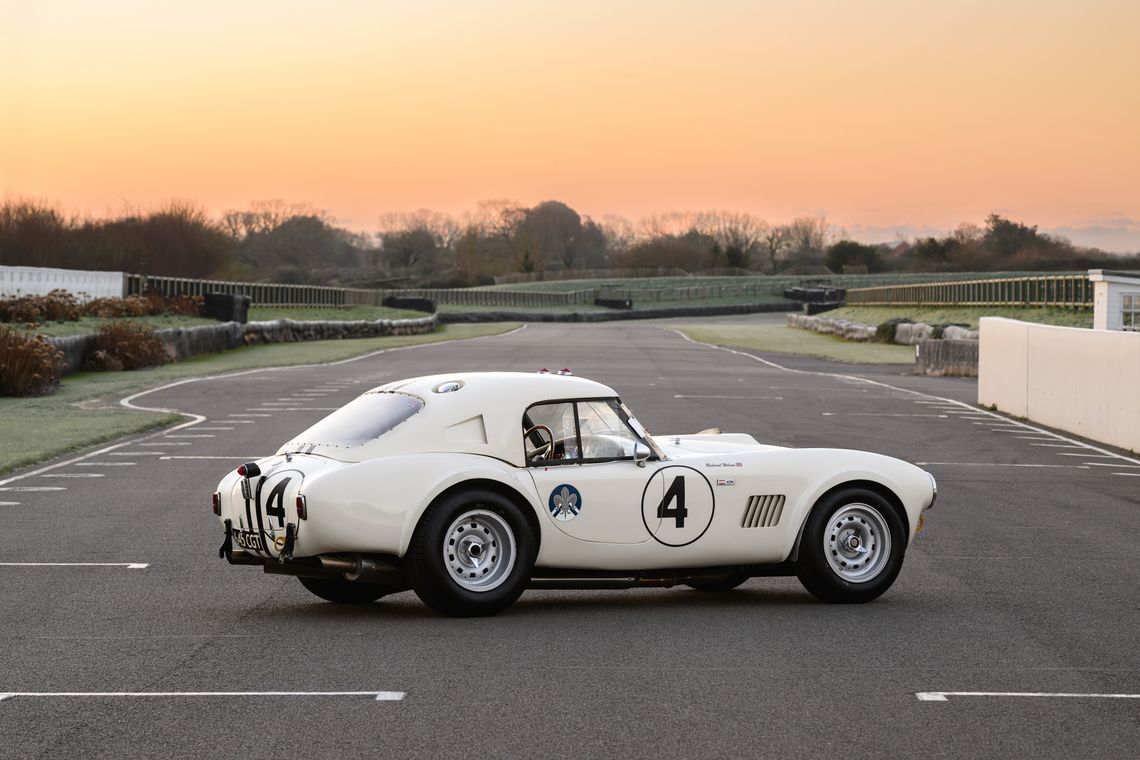
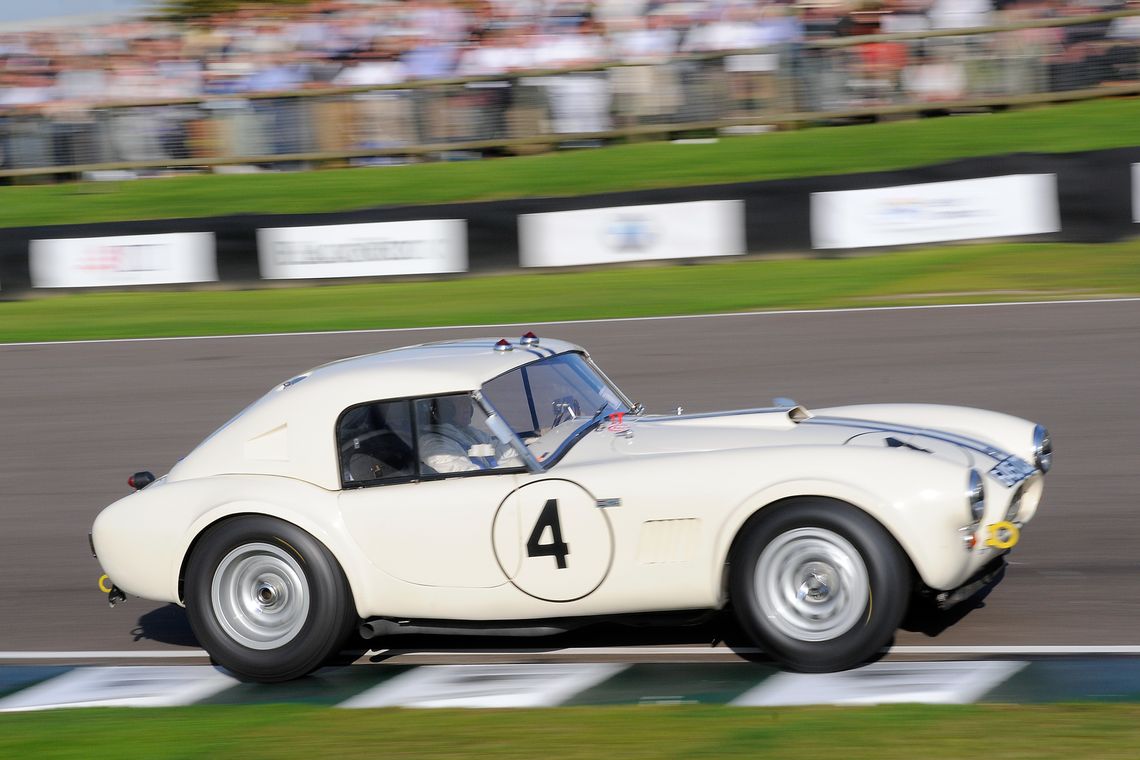
Kivlochan sold the Cobra known as ‘Hairy Canary’ to buy CSX 2142 and commissioned Roger Dawson return her back to Le Mans specification. After two years of ownership, Kivlochan sold CSX 2142 to British Touring Car Champion Frank Sytner, who had it restored and prepared at Simon Hadfield Motorsport. The original- type Dunlop wheels were reinstated and an independent report was carried out by Robin Stainer of the AC Owner’s Club. Sytner sold CSX 2142 to Carlos Monteverde in 2009, who, alongside co-driver Gary Spencer continued the legacy of competition. Spencer shared the Cobra with Jackie Oliver to place 4th in the 2011 Goodwood Revival, and with Monteverde himself to win 2013 Tour Auto outright.
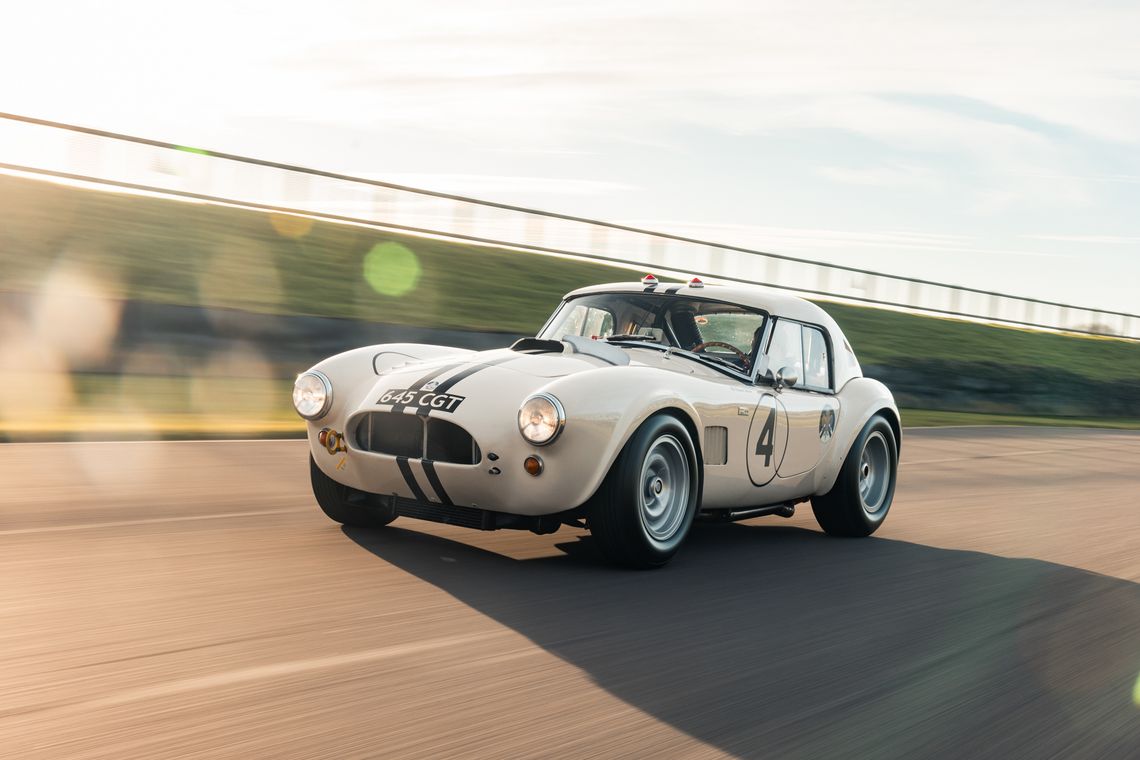
The current owner acquired CSX 2142 in November 2020 and has continued this historic Cobra’s long motorsport legacy by entering some of the many events it is highly eligible for, such as the Masters Historic at Brands Hatch, Le Mans Classic and both Goodwood’s Members’ Meeting and fabled RAC TT at the Revival.