
1931 Alfa Romeo 8C 2300 Spider, Chassis 2111006
The Alfa Romeo 8C 2300 is regarded by automotive connoisseurs as the finest pre-war sports car, a legendary design aligned with the Ferrari 250 GTO and the McLaren F1. Its accomplishments in period include a sweep of consecutive wins: four times at the Le Mans 24 Hours, three at the Targa Florio and two at the Mille Miglia. Clothed by Europe’s finest coachbuilders, 8Cs were also regularly lauded at the most glamorous of pre-war Concours d’Elegance. More substantial than a Bugatti and yet lighter than a Bentley, the 8C has been just right for the thick end of a century.
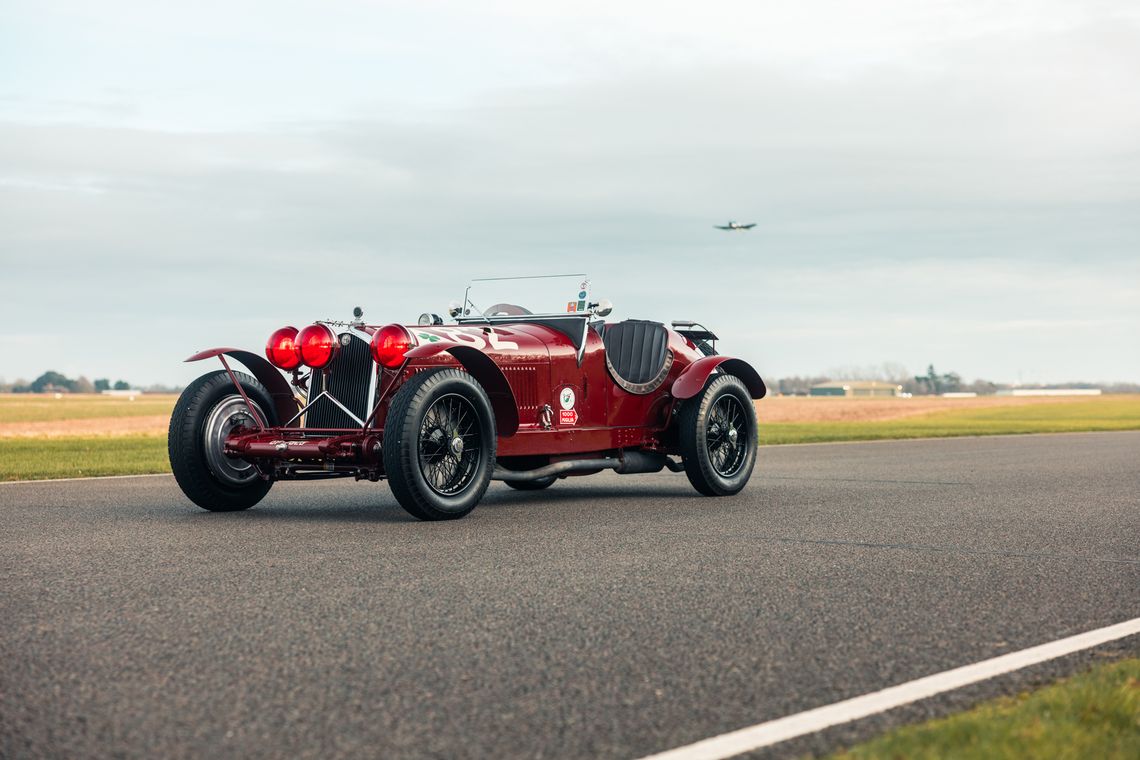
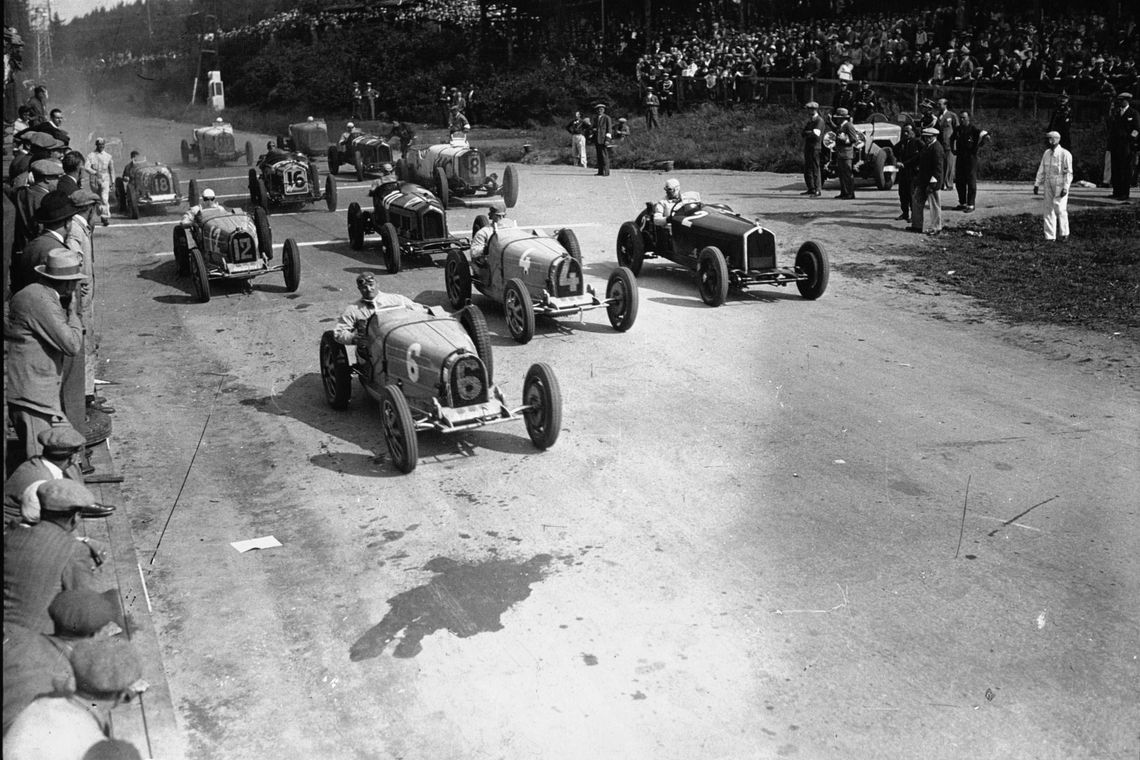
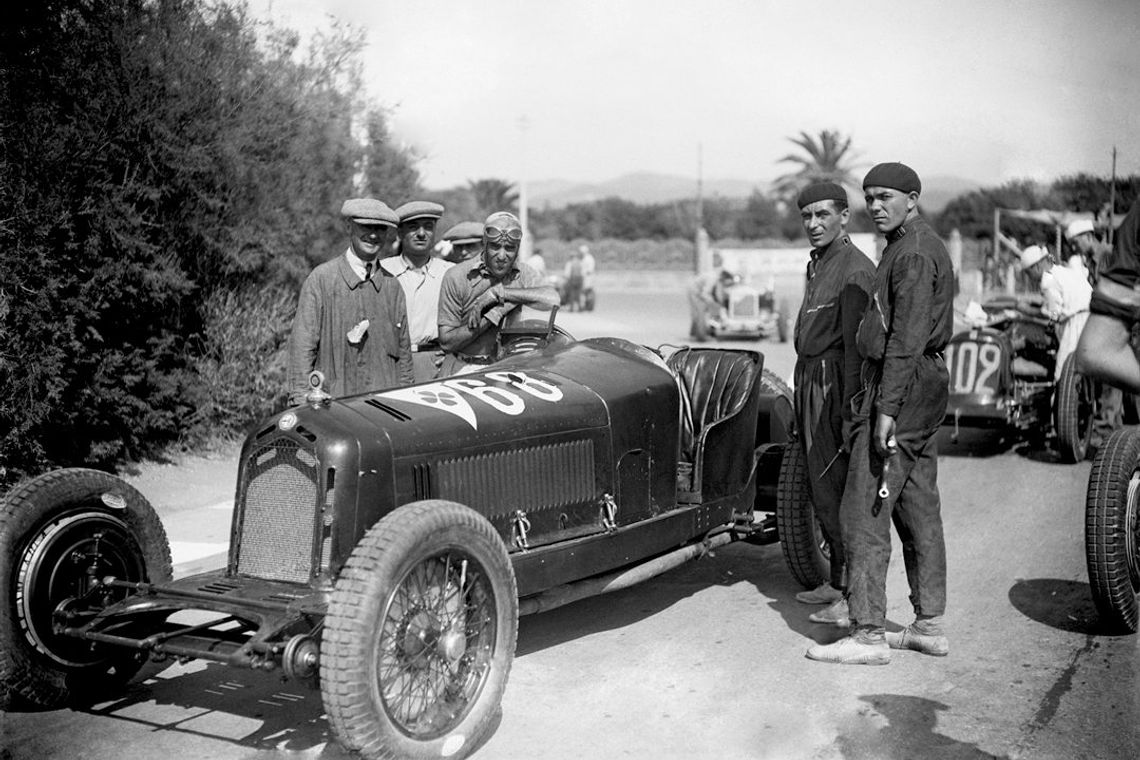
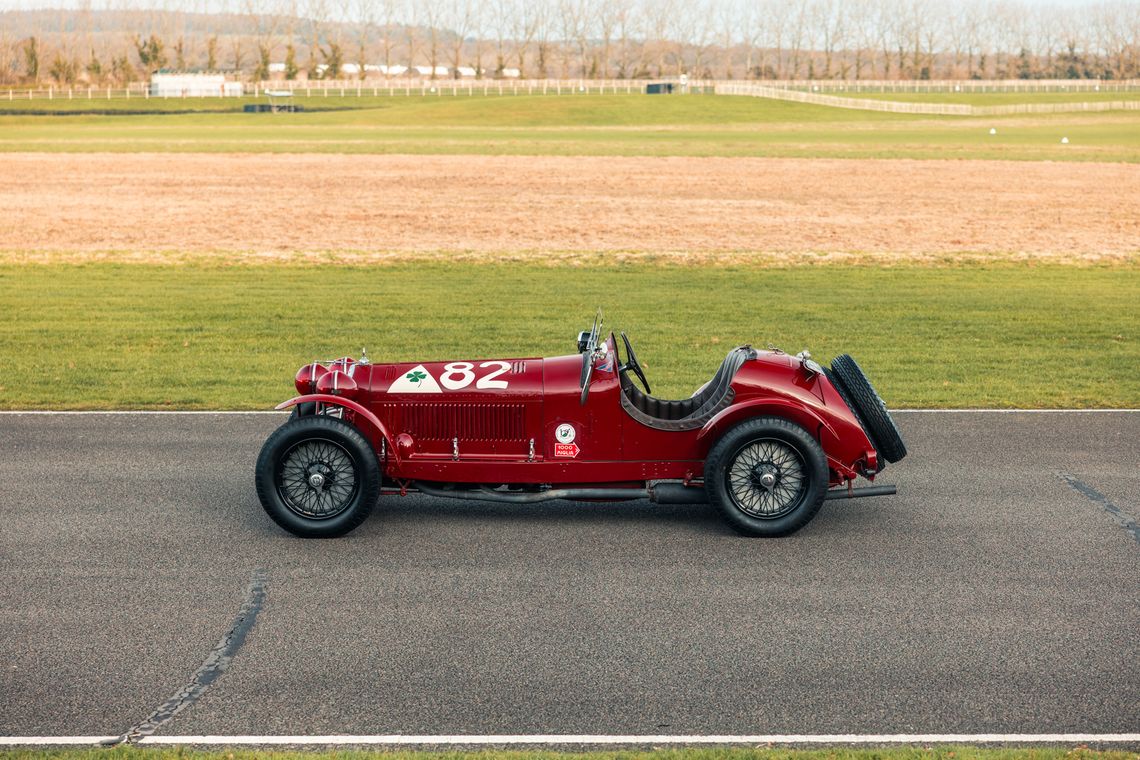
This 8C, chassis 2111006, is the sixth example built from the initial first series in 1931. It was constructed with the ‘Corto’ short chassis and with a minimalist ‘bacquet’-style body for Alfa Romeo’s factory racing team – Alfa Corse. It had been expected to participate for the Works team in the 1931 Targa Florio, but was not completed in time. It’s likely that 2111006 was used more than once in that debut season, but its first known race was the epic 10-hour 1931 Belgian Grand Prix held on 12th July. The 8C was piloted to a spectacular 3rd place on the original 9.3-mile circuit by Ferdinando Minoia and Giovanni Minozzi.
Minozzi came from great stock as the grandson of Grand Prix driver Antonio Ascari and was cousin to future F1 World Champion Alberto. Minoia was a veteran wheelman with a career stretching back to the 1907 Coppa Florio, which he won, and included the inaugural Mille Miglia… which he also won. The 1931 Belgian GP podium in 2111006 secured Minoia the first European Drivers’ Championship, which had been established that year.
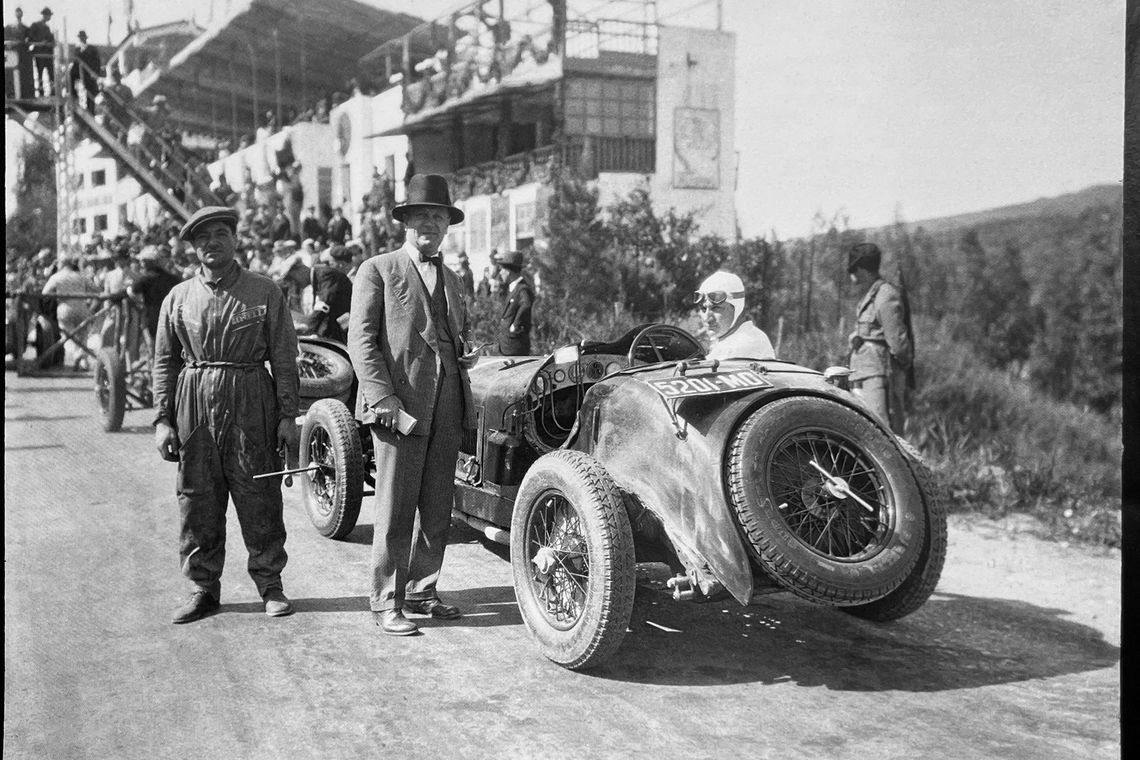
Scuderia Ferrari acquired 2111006 on 29th July 1931 and, now wearing a distinctive Monza radiator cowl and the registration number “MO 5201”, was fielded for Tazio Nuvolari for the Coppa Ciano just days later on 2nd August. This long-established road race on the Tuscan coast attracted over 100,000 spectators, with a world-class grid drawn in by both the magnificent trophy donated by the Italian Navy hero Costanza Ciano and the 215,000 Lira prize money. The race became a classic Alfa-Bugatti, Nuvolari-Varzi duel, with each overcoming unavoidable setbacks with heroic performances. Varzi’s Bugatti crossed the finish line first, but the staggered start procedure had seen him set off 60-seconds ahead of The Flying Mantuan. Nuvolari in 2111006 appeared 14 seconds later and, with the start times accounted for, was declared the winner by a monumental margin of 46 seconds.
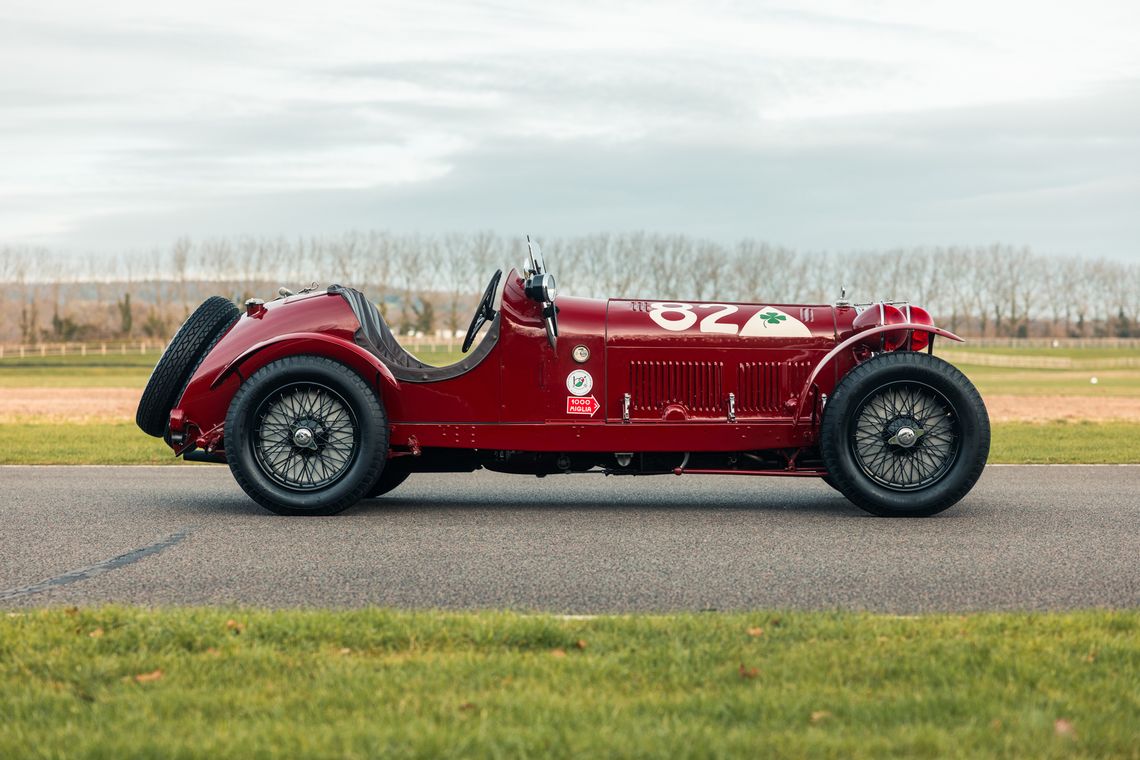
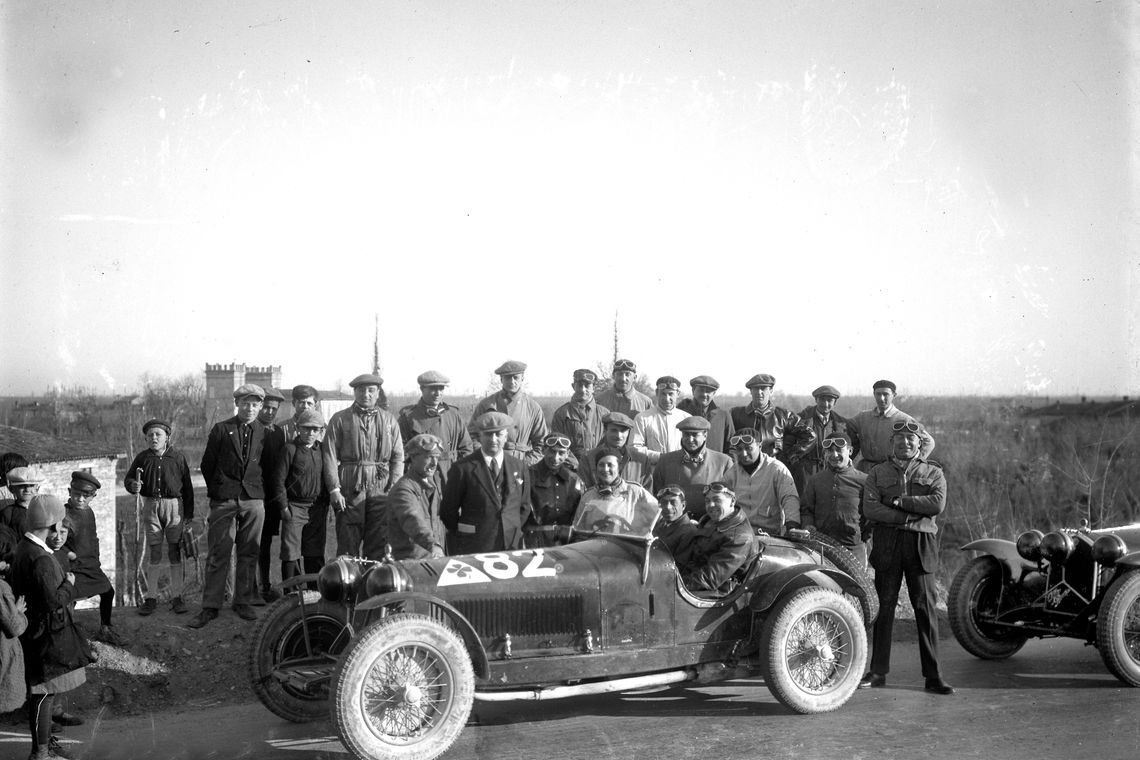
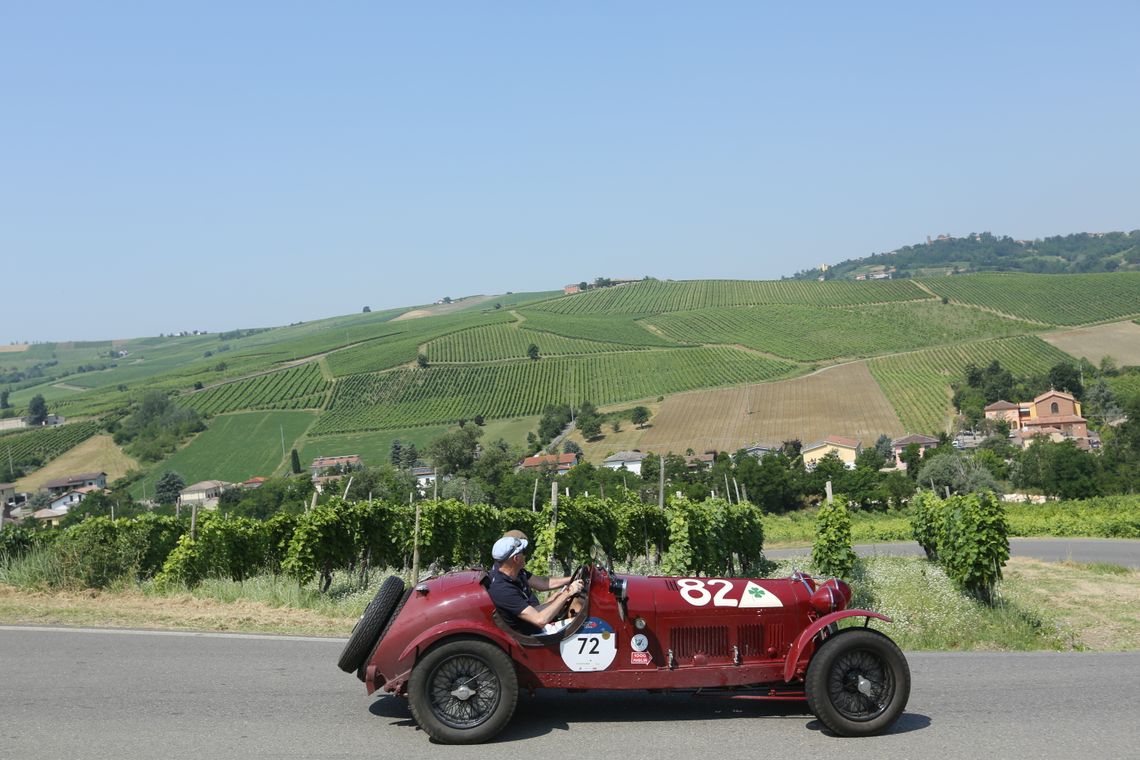
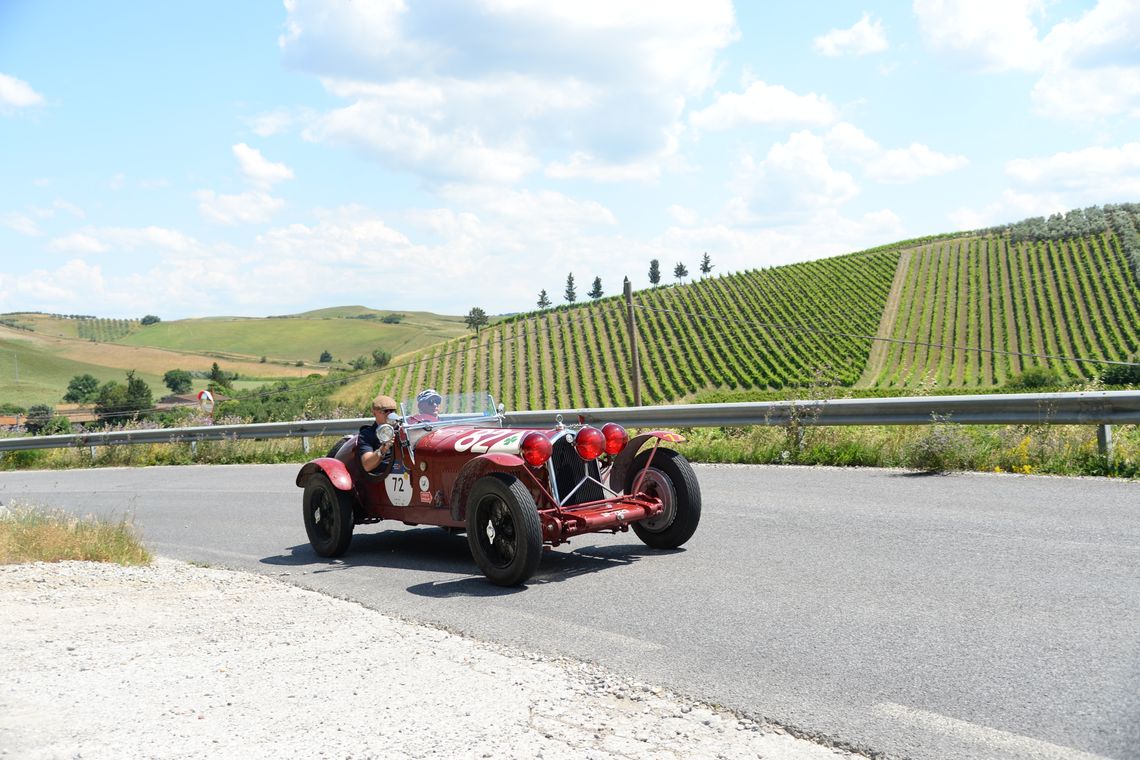
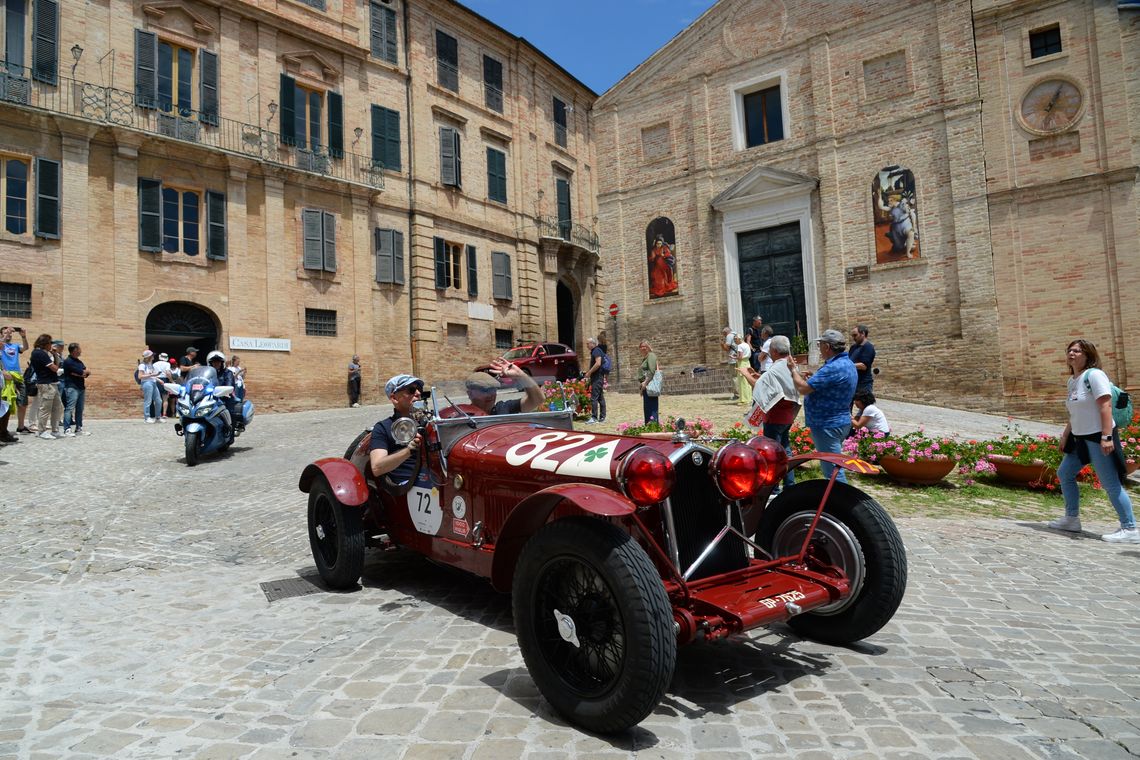
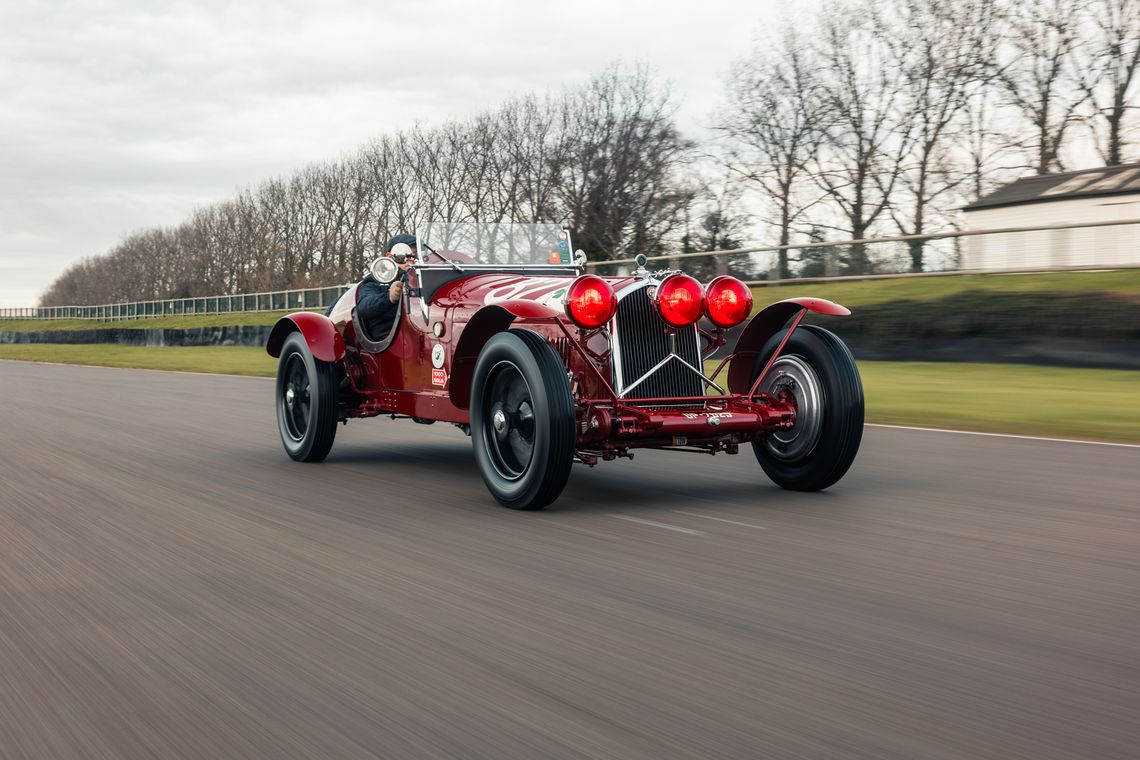
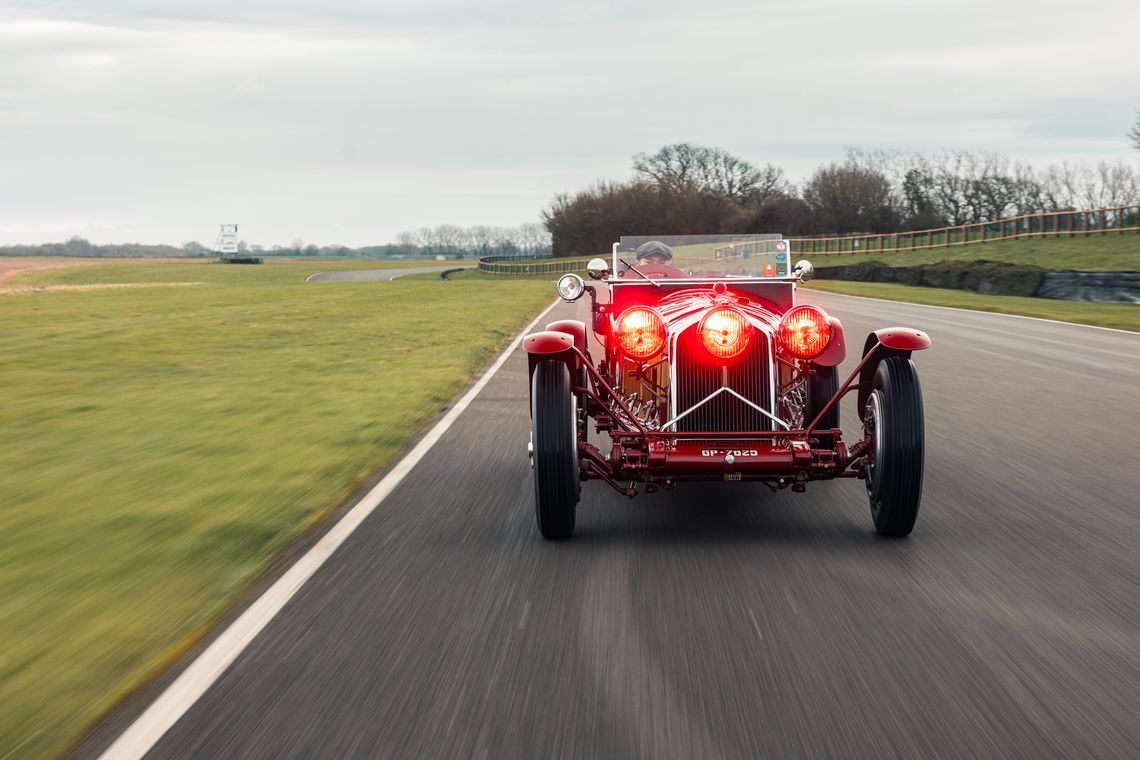
Over the winter and into 1932, 2111006 was updated with the latest Monza-specification upgrades, including a shortened frame and improved front springs. More complete Zagato-style rear bodywork replaced the original minimalist arrangement and 2111006 was immortalised as the centrepiece of a sensational Scuderia Ferrari team photo en route to the 1932 Mille Miglia. Enzo himself stands proud behind 2111006, which is seen complete with its trio of red-tinted domed headlight covers, the quadrifoglio ensign and a hand-daubed number 82.
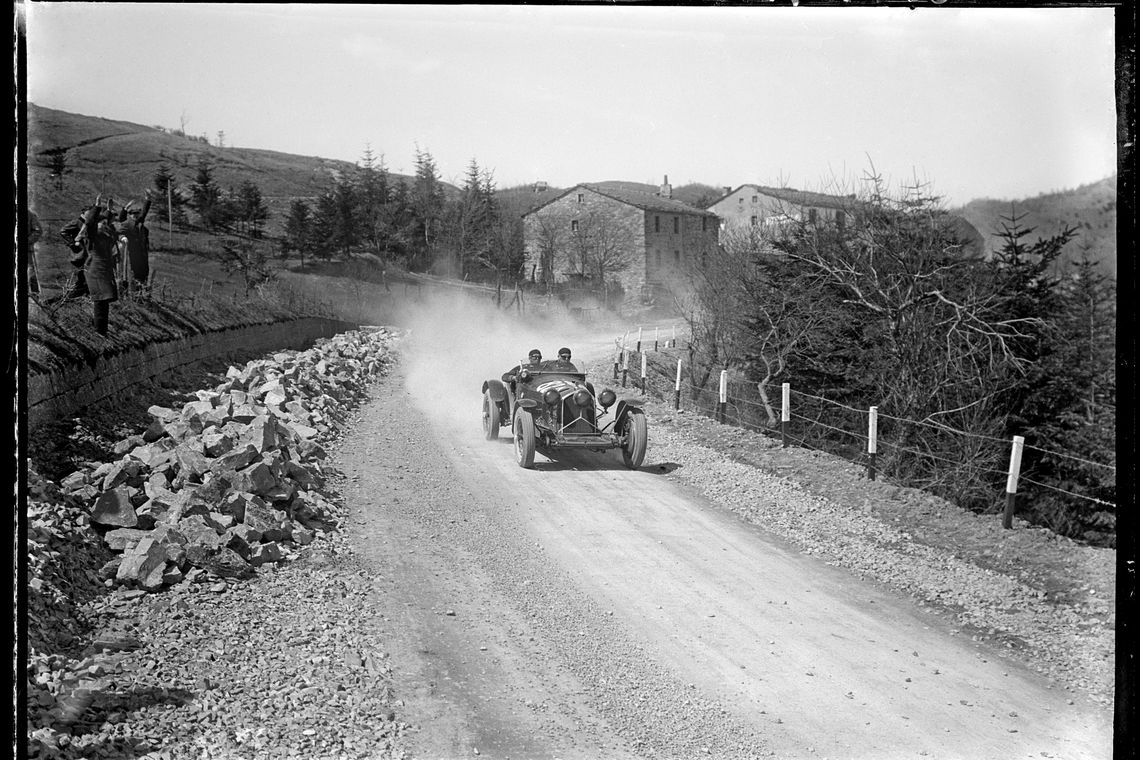
Motorcycle ace Pietro Ghersi and Brooklands 6-Hours winner Guilio Ramponi were paired to drive 2111006 for Scuderia Ferrari in the Mille’ on 9th April. Despite being 8th fastest to Bologna – quite a feat in a grid featuring a 12 other 8Cs, several Bugattis and an SSK Mercedes – Ghersi and Ramponi would retire before reaching Firenze.
One month later the Scuderia wheeled out 2111006 for Italy’s other great race, the Targa Florio. Future Grand Prix podium winner and Olympic medallist bobsledder Antonio Brivio was installed for driving duty, with 2111006 stripped of its windscreen, lights and three of its cycle wings for the race; the front right would remain in place to protect Brivio from debris kicked up on the notoriously rough surfaces. Brake issues would lead to the car’s retirement, however that would not stop Brivio from continuing in a second car to place 4th.
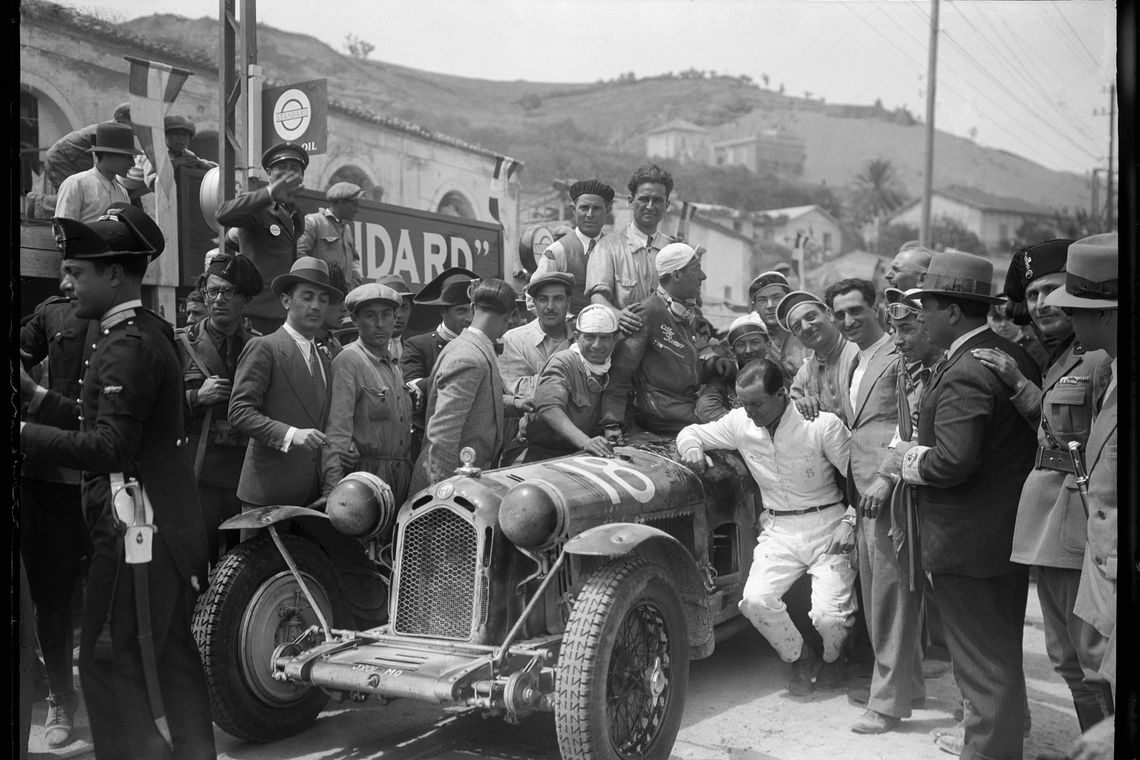
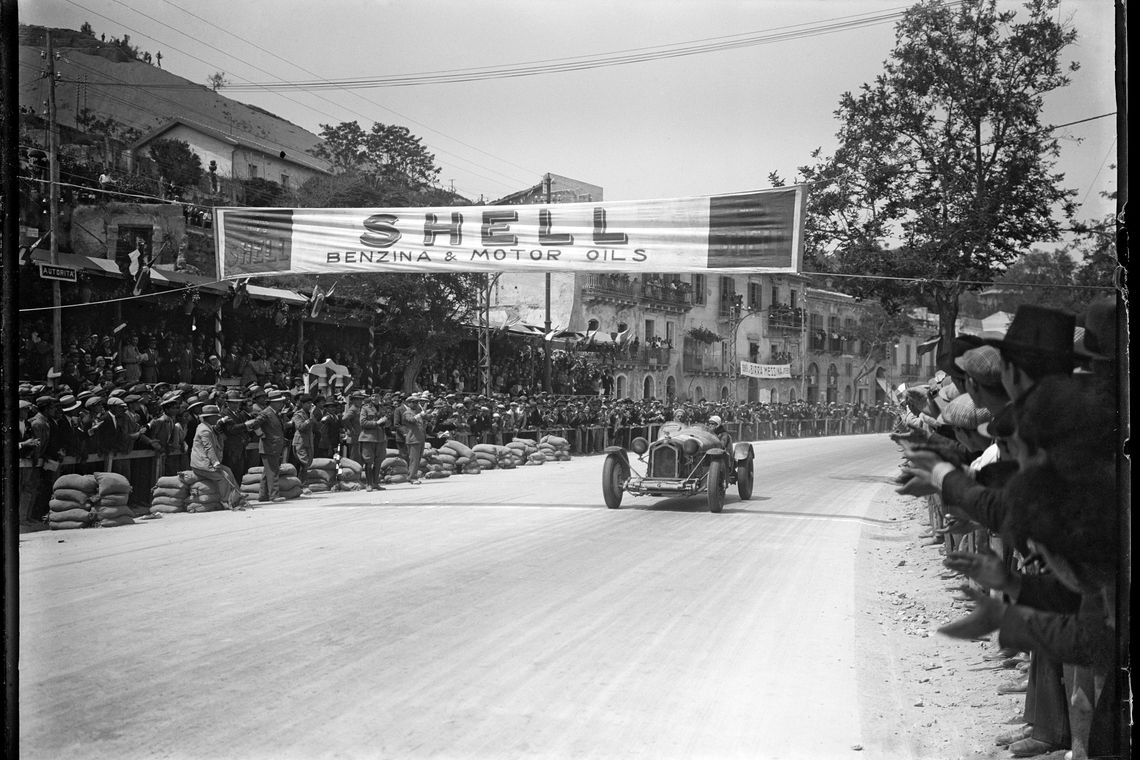
The 8C would fair significantly better later in May at its last known race for Scuderia Ferrari, the Coppa Messina. With Ghersi back behind the wheel, 2111006 – reunited with all of its wings and lights – romped to victory along the challenging 52km road circuit. Evocative images capture the atmosphere at the finish line, with the roadside packed and the residential balconies groaning with cheering spectators.
On 22nd November 2111006 was sold to Giacomo de Rham, and then again to the Alfa Romeo dealer in Rome in March 1933. The possibility exists that it was leased for that year’s Mille Miglia, but this has not yet been proven. What is known is that Guiseppe de Filippis, brother of Formula One’s ‘First Lady’ Maria, bought the 2111006 from the dealer on 12th May and it was registered to him on the Roma number ‘35072’.
Pietro Santi bought the 8C the following Spring, just in time for the 1934 Mille Miglia for which he and the Alfa were entered to compete with start number 54. With co-driver Lelio Pellegrini, the duo demonstrated strong early pace along the first leg to Bologna. And, despite losing 25 minutes on the section to Florence, 2111006 was the 5th fastest car to Siena and 8th fastest to Rome. But the 8C would ultimately make it little further than the historic capital and retired shortly after. From Santi the 8C passed through a small number of Italian owners through to 1936 when, in the July of that year, Emile Cornet was photographed at the wheel in the car park of Spa-Francorchamps. He was road testing it as a potential candidate to replace his SS100 that he was campaigning that weekend’s Spa 24-Hours race. Here the 8C can be seen sporting its sleek Zagato Spider body for the first time, with distinctive chrome strips along its swage lines. Despite looking pleased with himself and the car, Cornet would buy another 8C instead.
Later that summer 2111006 was sold to Luxembourg where, on the 27th of August, it was registered as ‘13217’ to dentist Paul Decker. The Diekirch resident managed to keep the Alfa hidden from the prying eyes of senior Nazi officers during German occupation and both he and it would survive World War II intact. Almost exactly a year after VE Day, both Decker and the 8C were entered into the Remich Hill Climb on 10th May 1946. History has not recorded his results, but surviving photos show Decker and his entourage thoroughly enjoying the day.
By the mid-1950s the 8C had relocated to neighbouring Belgium and then, via dealer Jean de Dobeleer, was sold to American Ed Roy 1956. The 8C remained in the USA until the late 1970s, Roy eventually selling 2111006 to Ted Pratt in Connecticut before the well-known English Alfista Rodney Felton bought the car and shipped it to England where he set about a full mechanical rebuild.
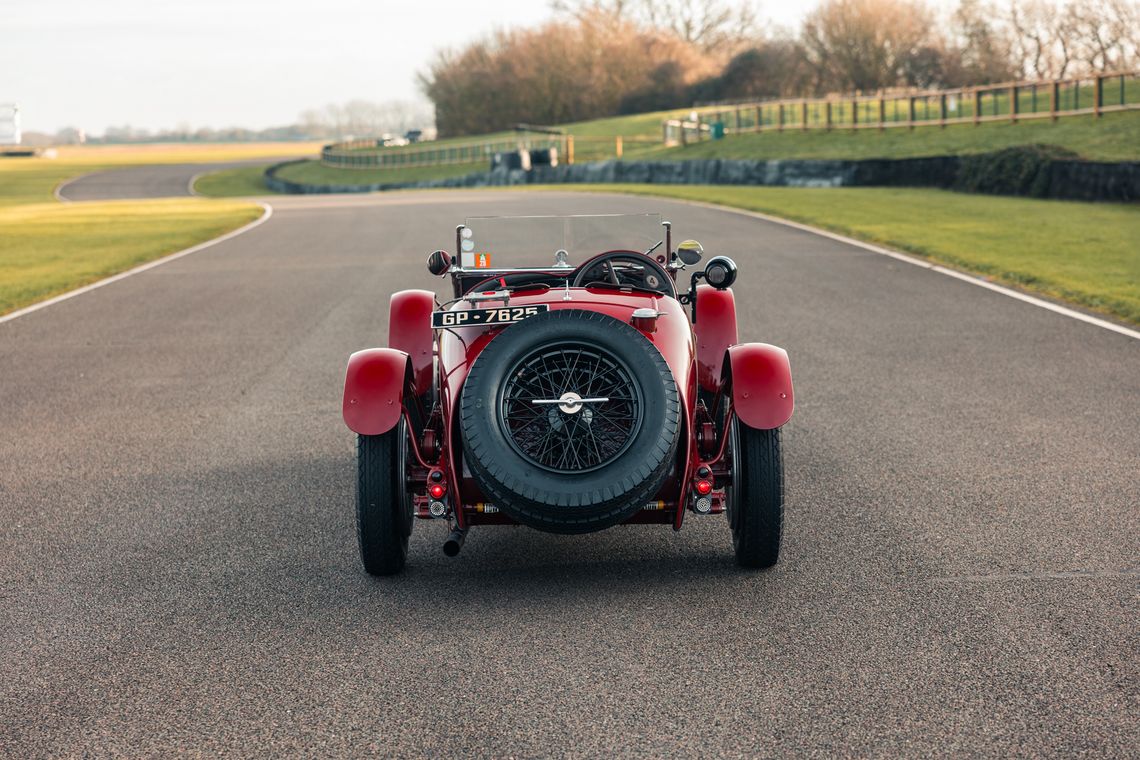
Registered ‘GP 7625’, this fabulous Zagato spider was a regular in Vintage Sports Car Club events to which Felton always drove to meetings. To protect the original Zagato body, Felton built a Monza alternative which he fitted for track events. When Felton started competing with a Tipo B Grand Prix racer, his prized 2111006 reverted to original Spider bodywork which he regularly drove on the road.
Felton’s determination to prove his 8C was faster than a rival Bugatti Type 51 led to a performance test against his friend Geoffrey St John which featured in Classic & Sports Car magazine (April 1987). The 8C delivered startling performance figures with 0-60mph in 5.8secs and 0-100mph in 15.5secs.
In 1992 Felton decided to sell 2111006 to Californian Bruce Vanyo, another passionate Alfa devotee, who part-traded a Bugatti Type 55 to get his dream car. Vanyo had the Alfa detailed by top specialists including refitting the original Zagato wings which he sourced from Ned Reich. Vanyo also enlisted Alfa 8C guru Simon Moore to research 2111006 in depth, and the famous Spider features extensively in the historian’s award-winning book ‘The Legendary 2.3.’ After acquisition in 1994 by Alfa connoisseur Alain de Cadenet, 2111006 became one of the stars of Eric Heerema’s collection in 1996. In 2015 the 8C was invited to the Cartier Style et Luxe at the Goodwood Festival of Speed where it wowed judges to win a special class for supercharged pre-war sports cars.
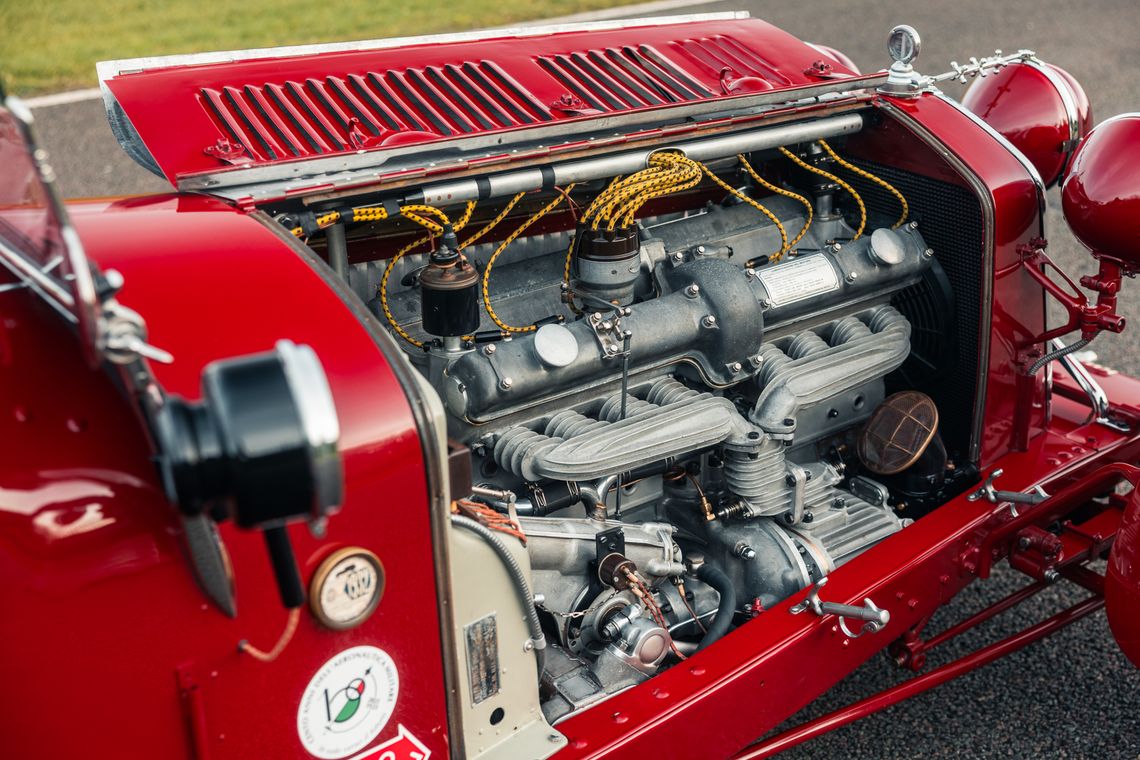
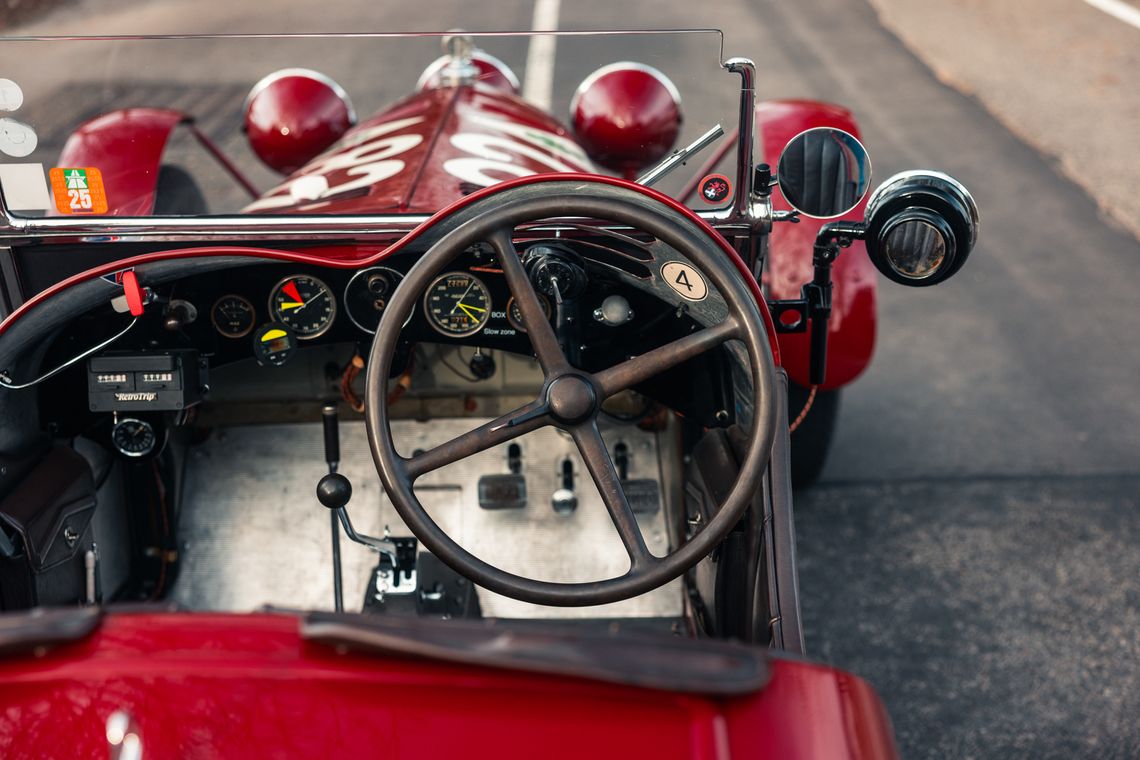
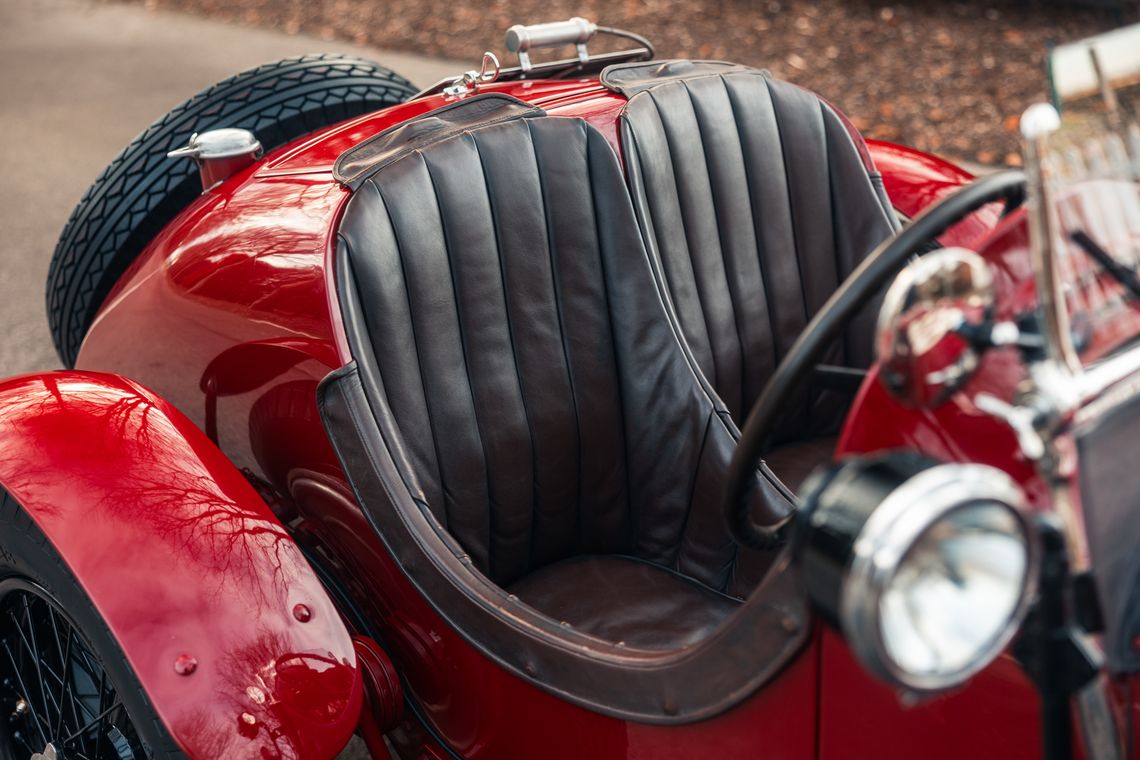
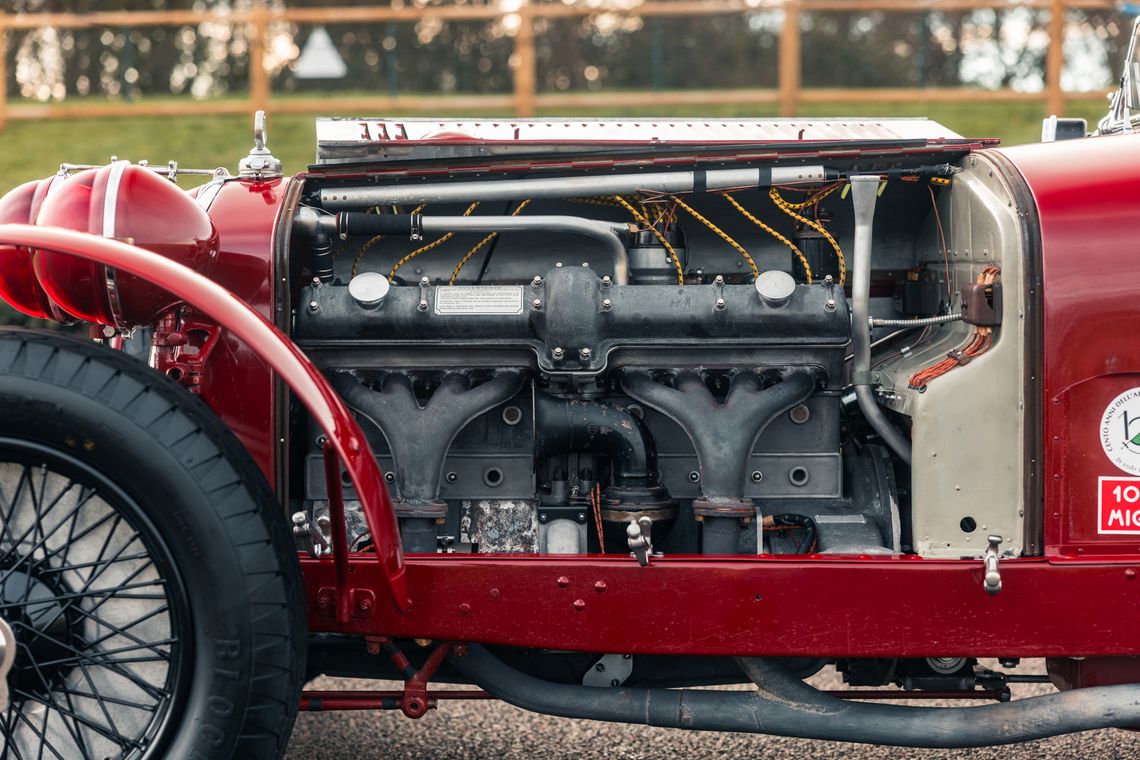
Fiskens was honoured to handle the sale of 2111006 to the current owner in 2019, after which it was entrusted to Jim Stokes Workshops to perform an exacting restoration to the 1932 Scuderia Ferrari Mille Miglia specification. The original Zagato Spider body was carefully removed and preserved, with a new bacquet-style body created as part of an incomparable 6,500-hour process. From 2019 through to 2024, the invoices total some £805,000 and this included the build of a brand new engine to spare the original from potential damage during competitive use.
Fortunately, the works were at an advanced stage of completion by mid-2023 so that 2111006 could return to the Mille Miglia with our own Gregor Fisken honoured to be invited to co-drive. With the works fully completed upon the 8C’s return to the UK, the owner wasted no time in putting it to work at Le Mans Classic, the Modena Cento Ore, and during the Alfa Romeo celebration at the 2025 Goodwood Revival.
Here then is not only an exceedingly rare chance to own a short chassis 8C Spider with fascinating Works, Scuderia Ferrari and Nuvolari-winning history, but to benefit from the recent restoration works to enjoy it as intended too. While, for the most important Concours d'Elegance, or indeed if it were your own preference, the original period-fitted Zagato Spider body could be reunited with the chassis it has sat on for over 90 years.