
1955 Ferrari 500 Mondial
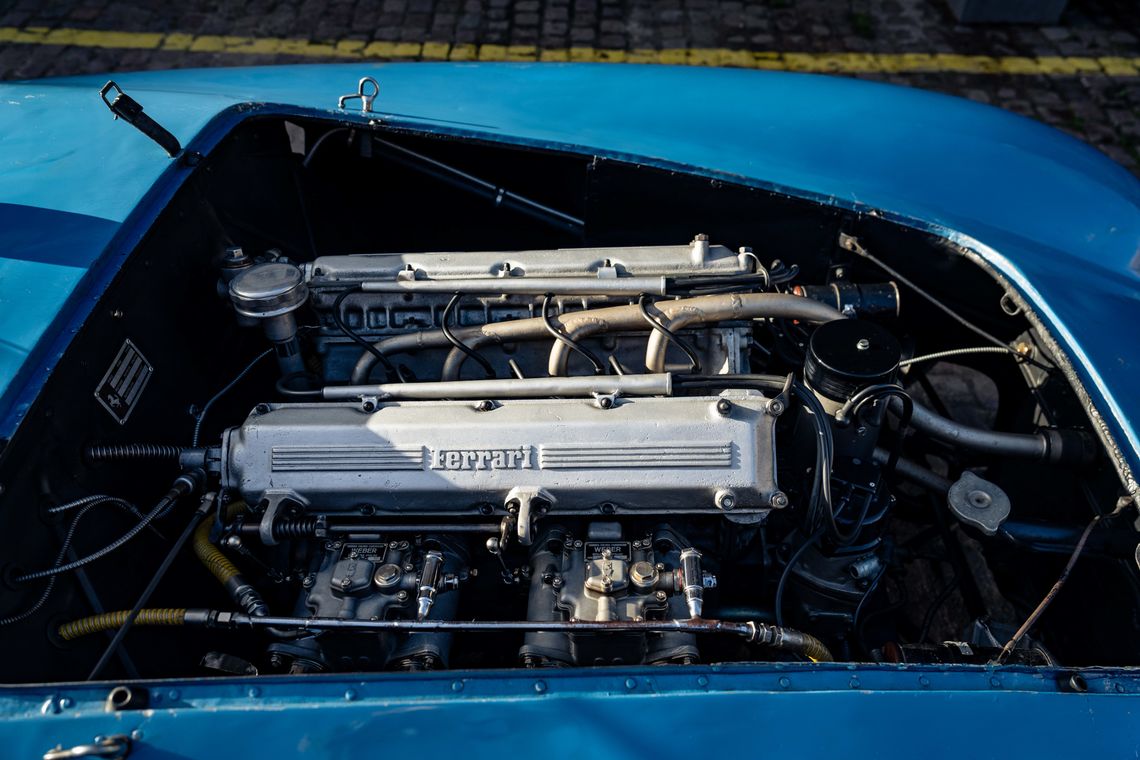
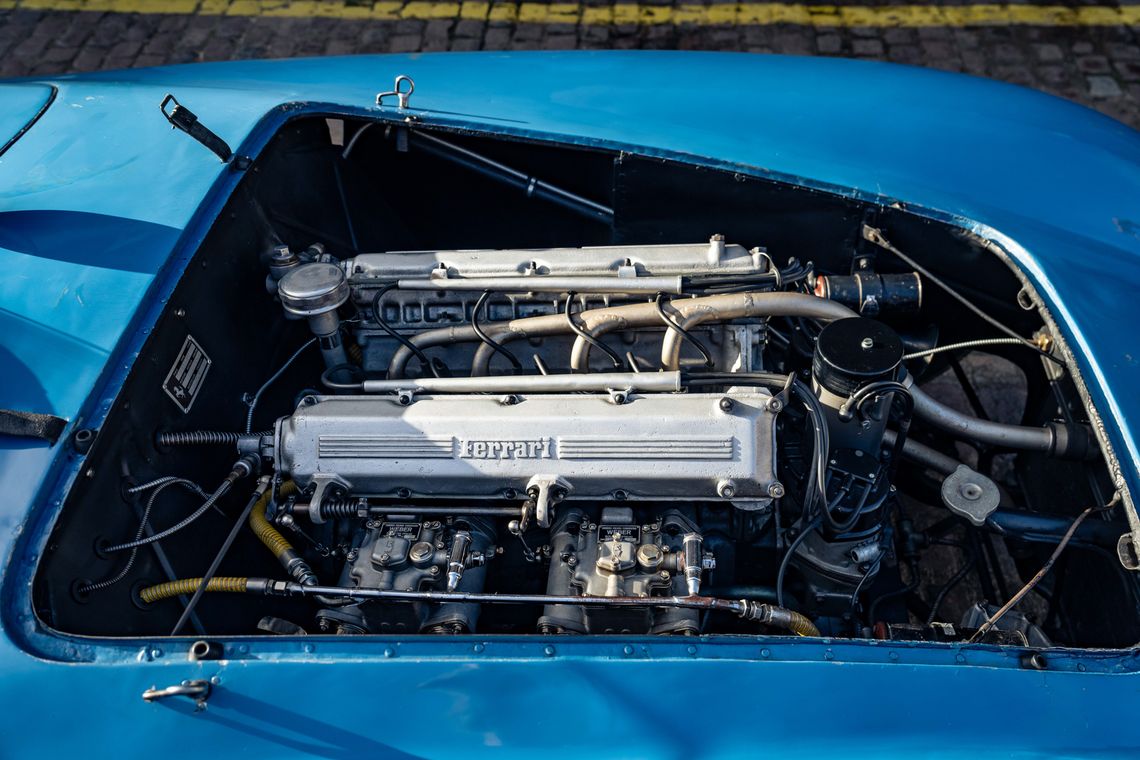
Despite being most closely associated with V12 engines, Ferrari developed a wide range of robust and powerful alternatives during its enormously successful sports-car programme of the 1950s.
One of those was Aurelio Lampredi’s 2-litre four-cylinder engine, which carried Alberto Ascari to the Drivers’ World Championship in 1952 and ’53. It was in honour of those titles that Ferrari named its new sports-racing car the ‘500 Mondial’ - referencing the 500ccs and Italian word for Global - when it was introduced in late 1953.
Powered by an updated version of Lampredi’s 2-litre ‘four’, the 500 Mondial was raced through 1954 by the factory and privateers alike, and was then modified into ‘Series II’ form early the following year. The latest Tipo 111 engine was installed, and the transverse-leaf front suspension was replaced by coil springs and wishbones. The five-speed transaxle was carried over, though, as was the de Dion rear end.
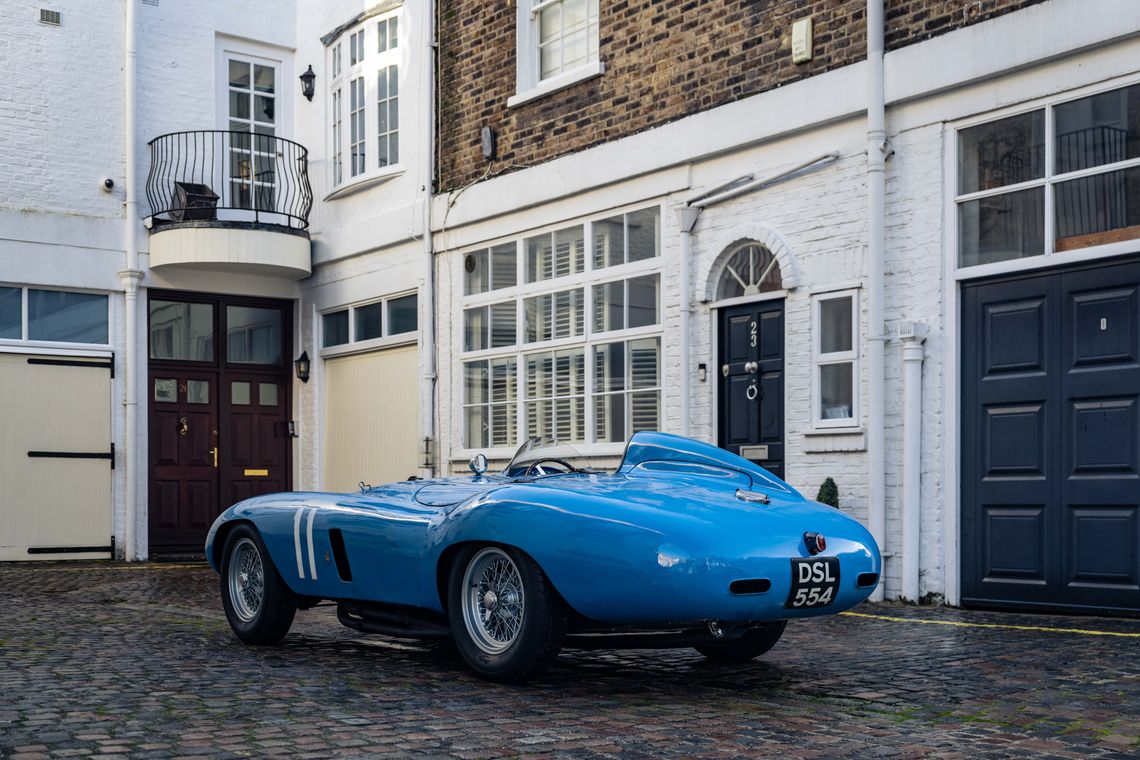
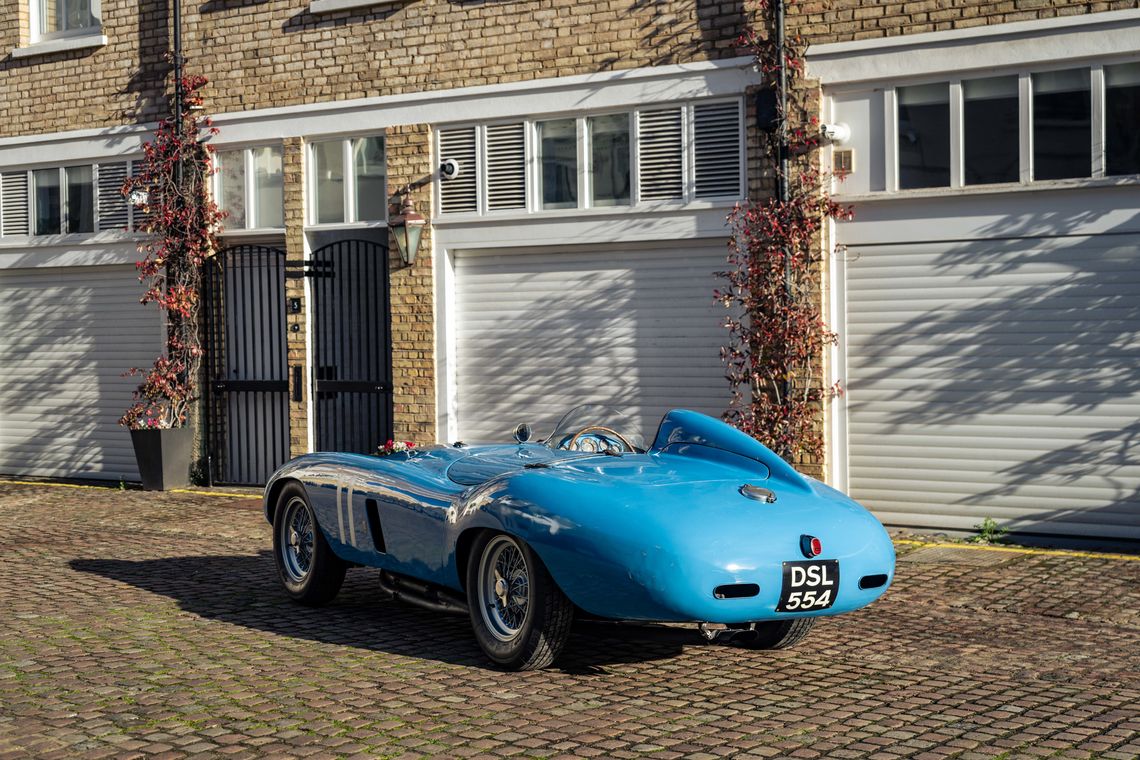
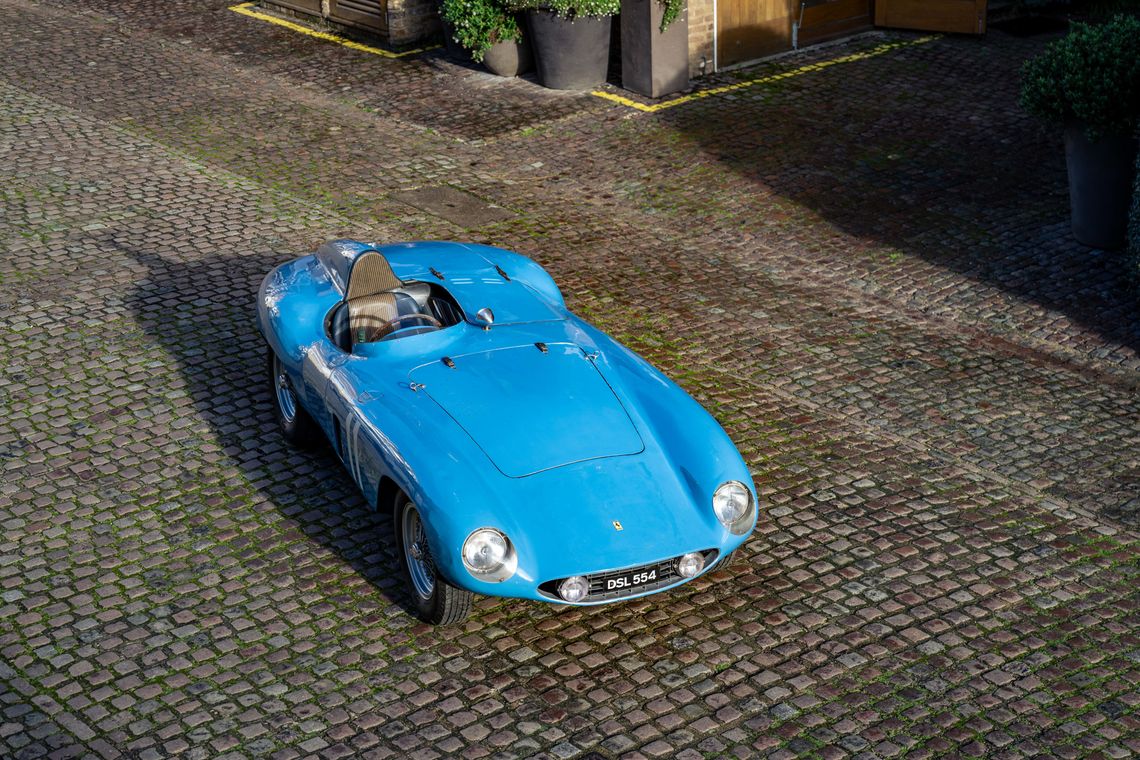
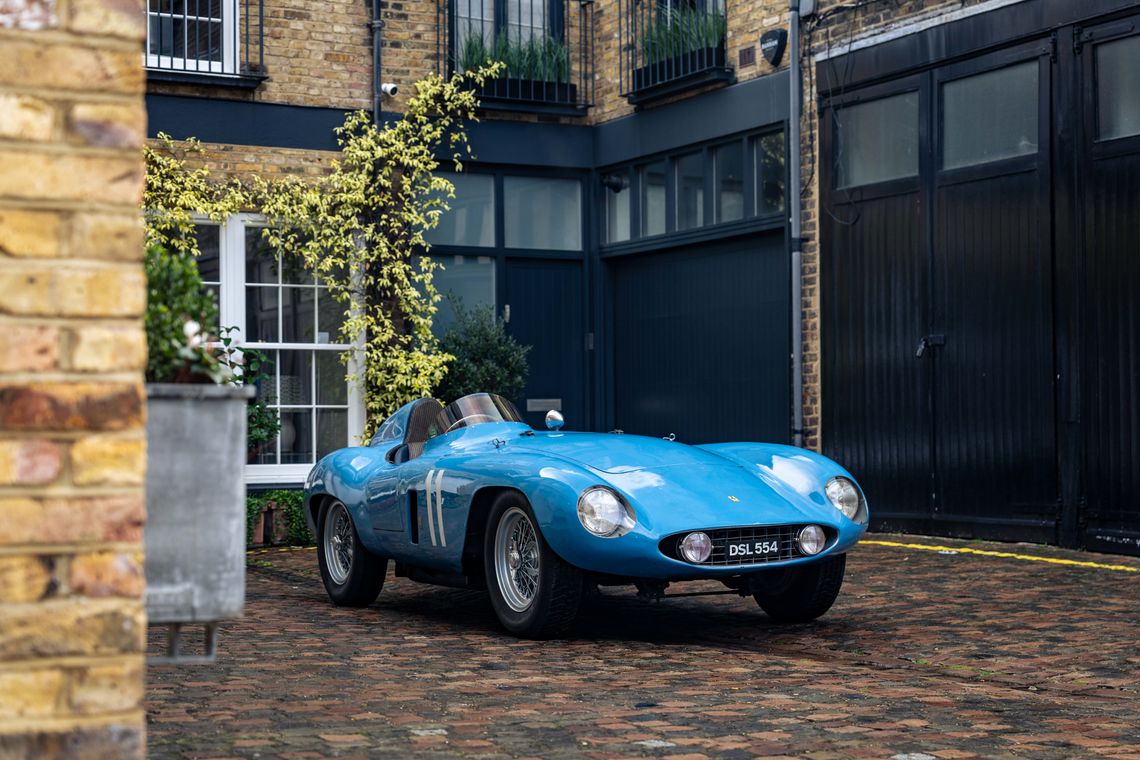
This particular car is the seventh Series II Mondial and was completed on 26 May 1955, before being delivered to its first owner: Yves Dupont. The French-based racer had bought it to replace his previous Mondial, chassis number 0424 MD, and was keen to avoid paying import duty on his new car. Ferrari therefore renumbered it ‘0424 MD’ before it was dispatched, the change being noted on the car’s factory build sheets.
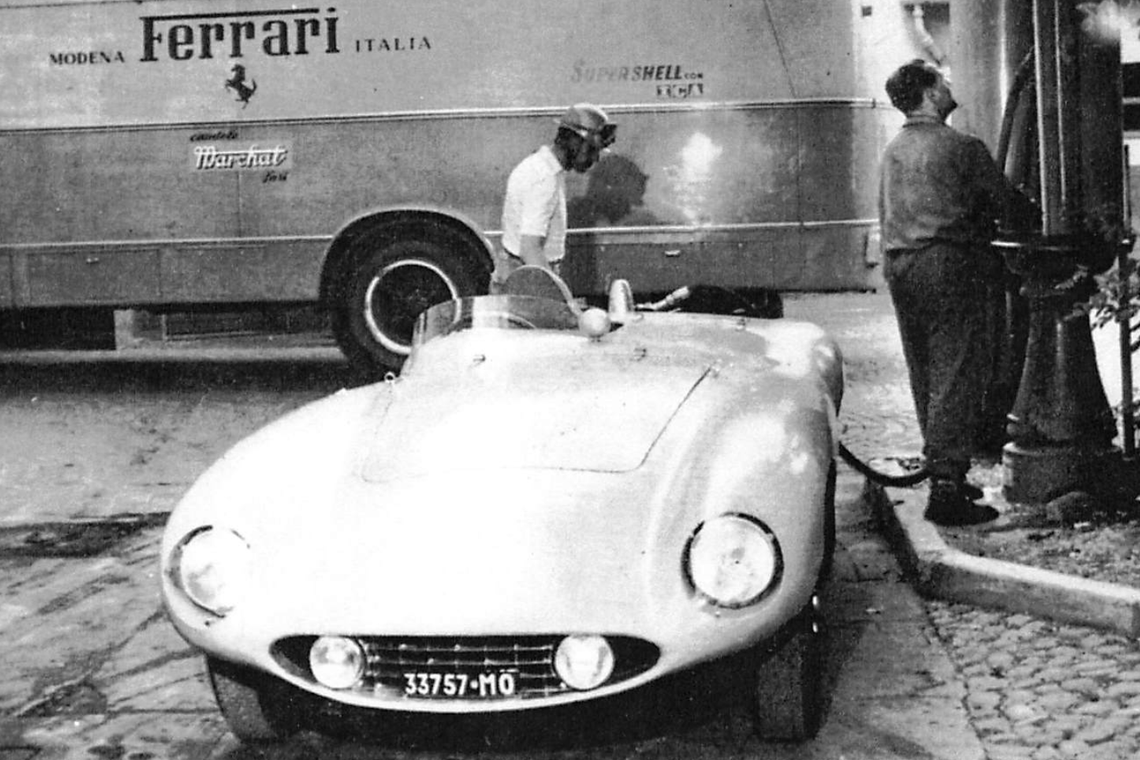
The licence plate from the earlier Mondial – MO 33757 – was also switched to the newer car, all of which enabled Dupont to bring it ‘tax free’ into France.
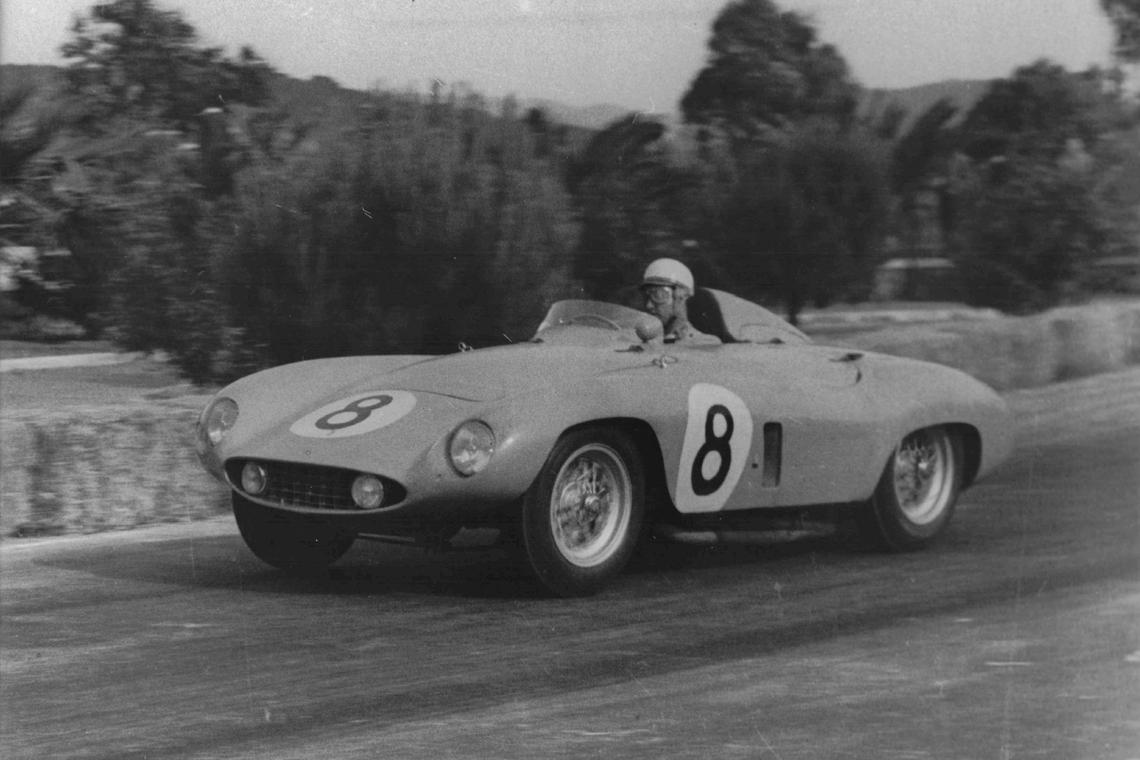
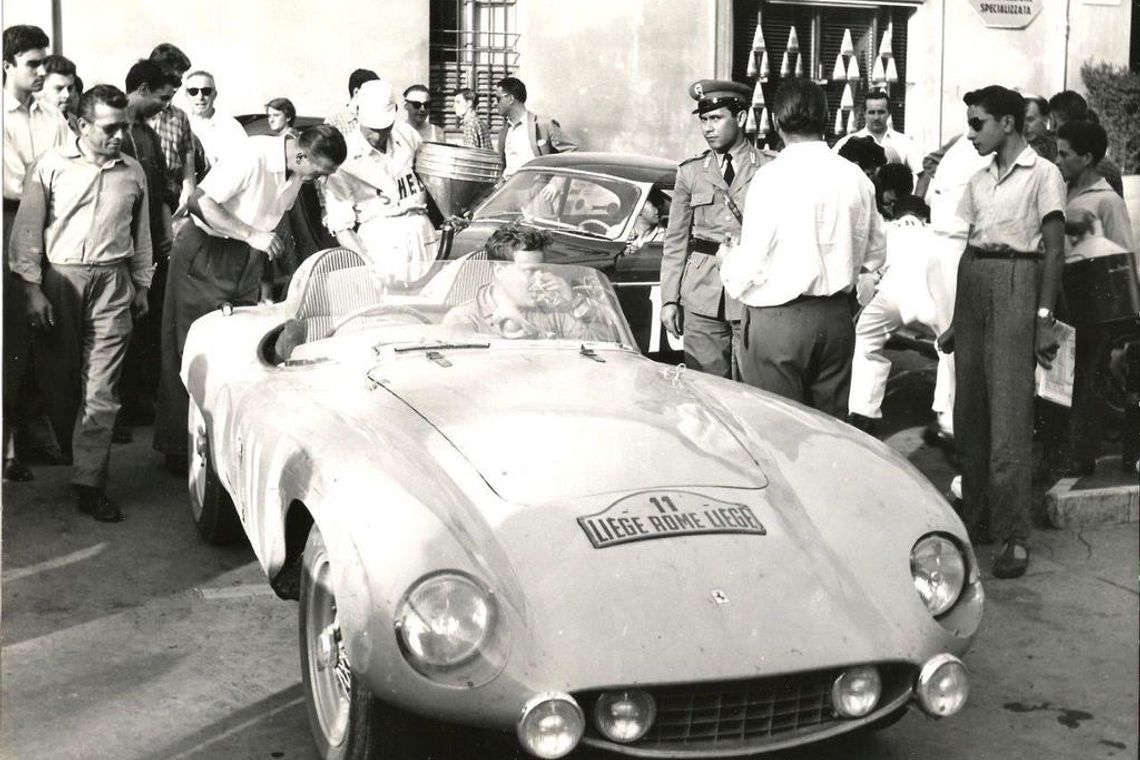
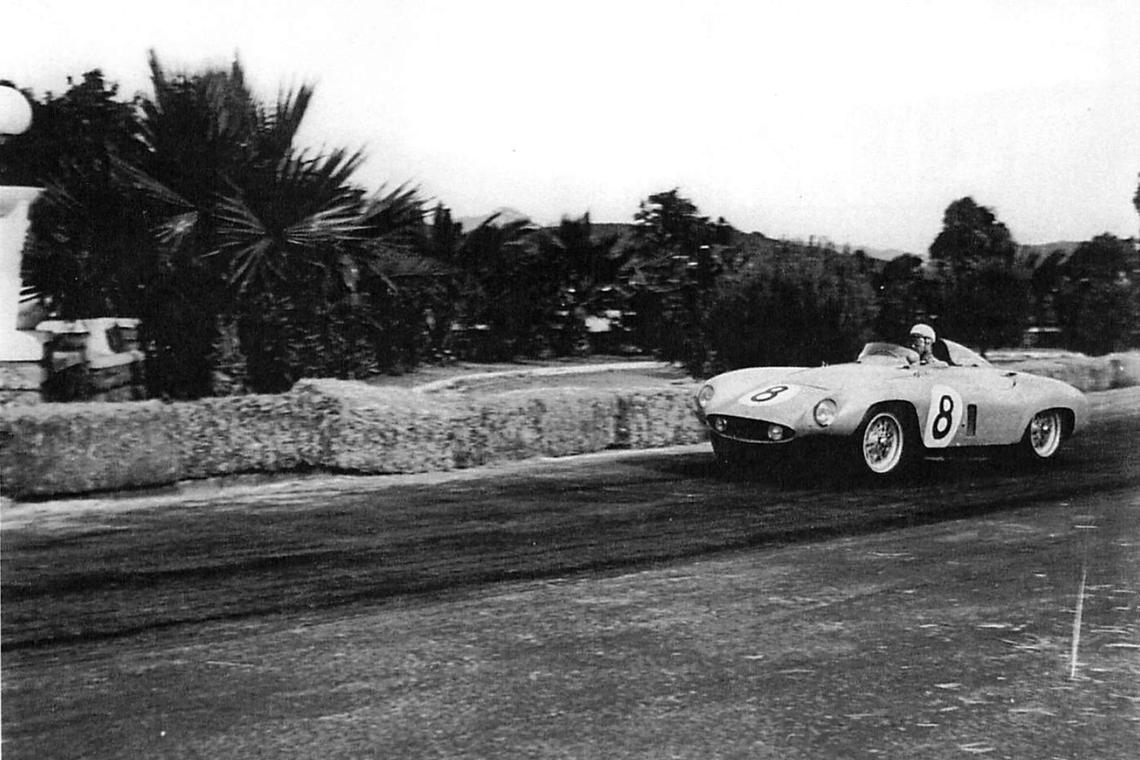
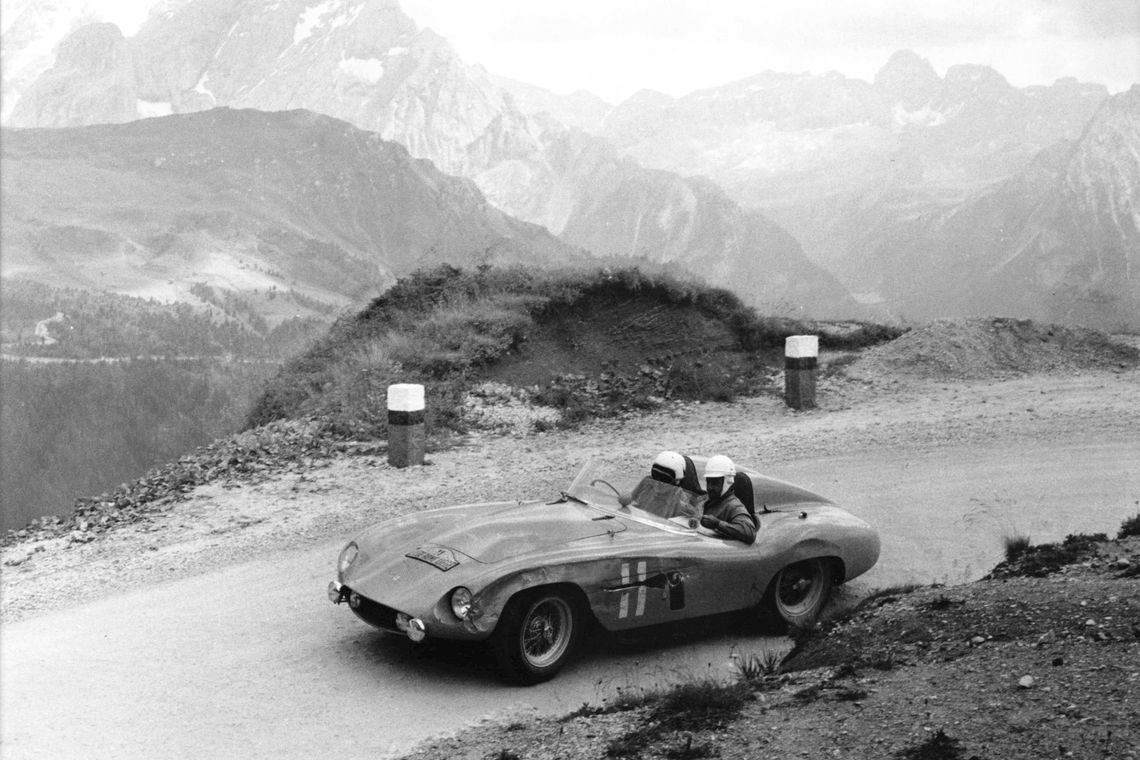
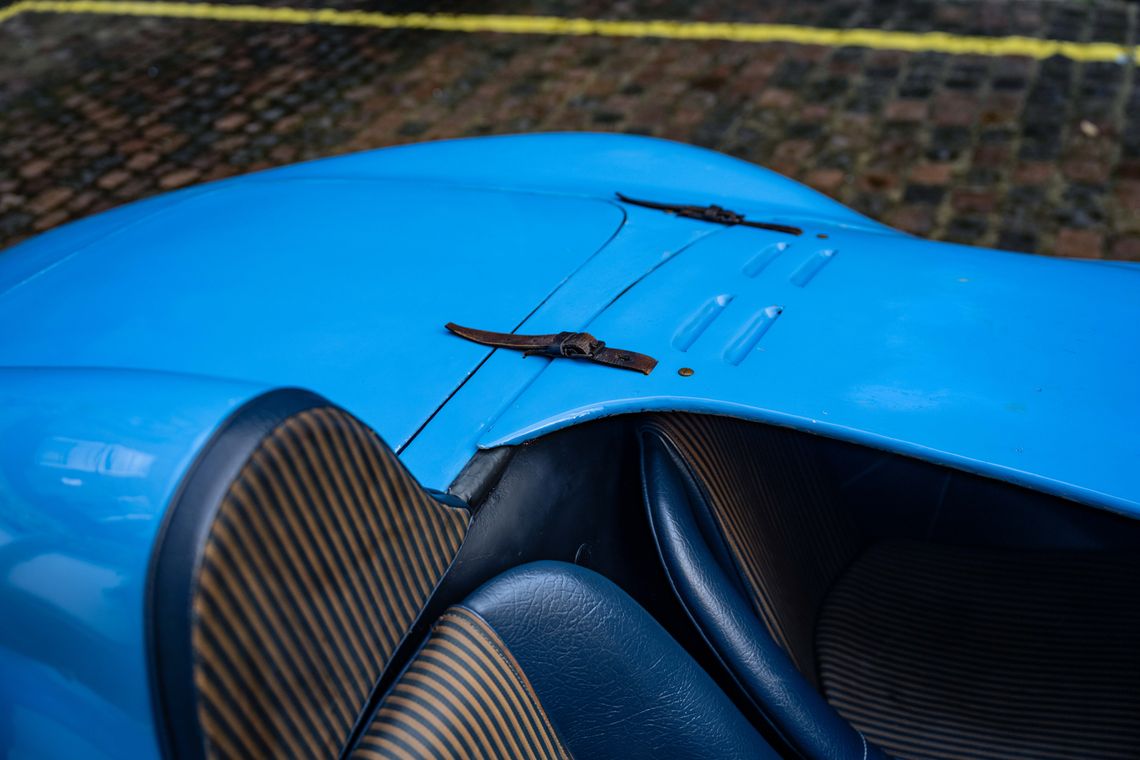
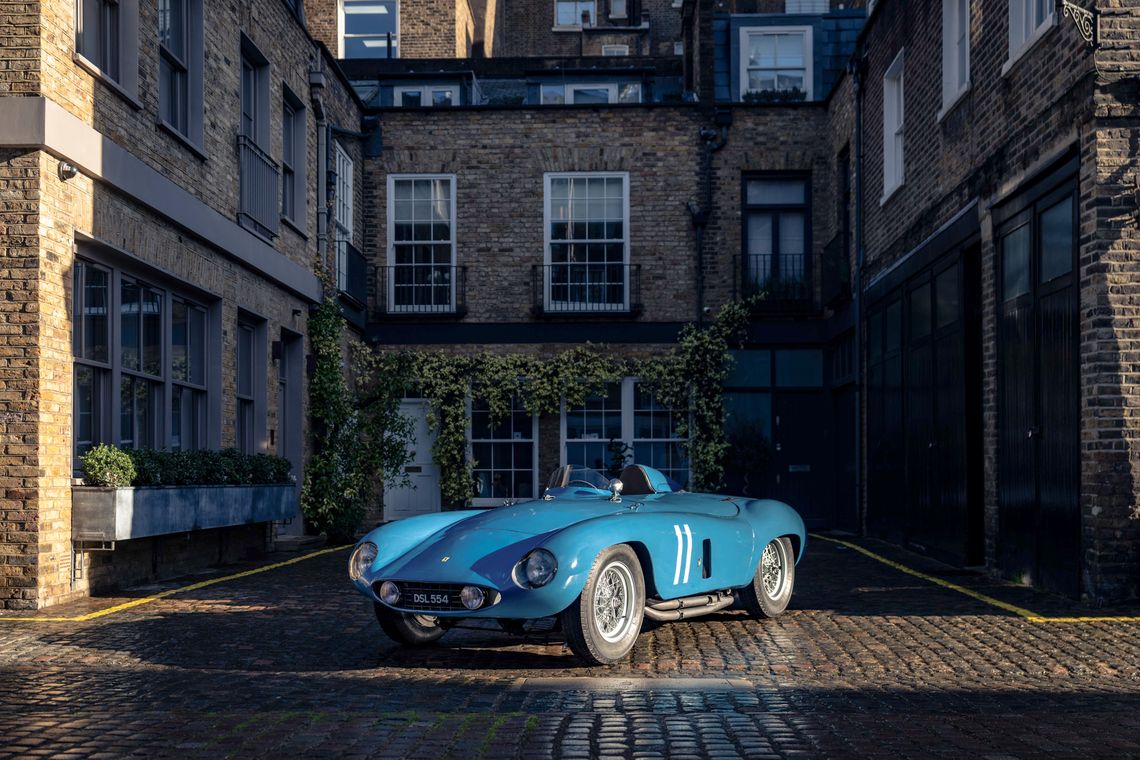
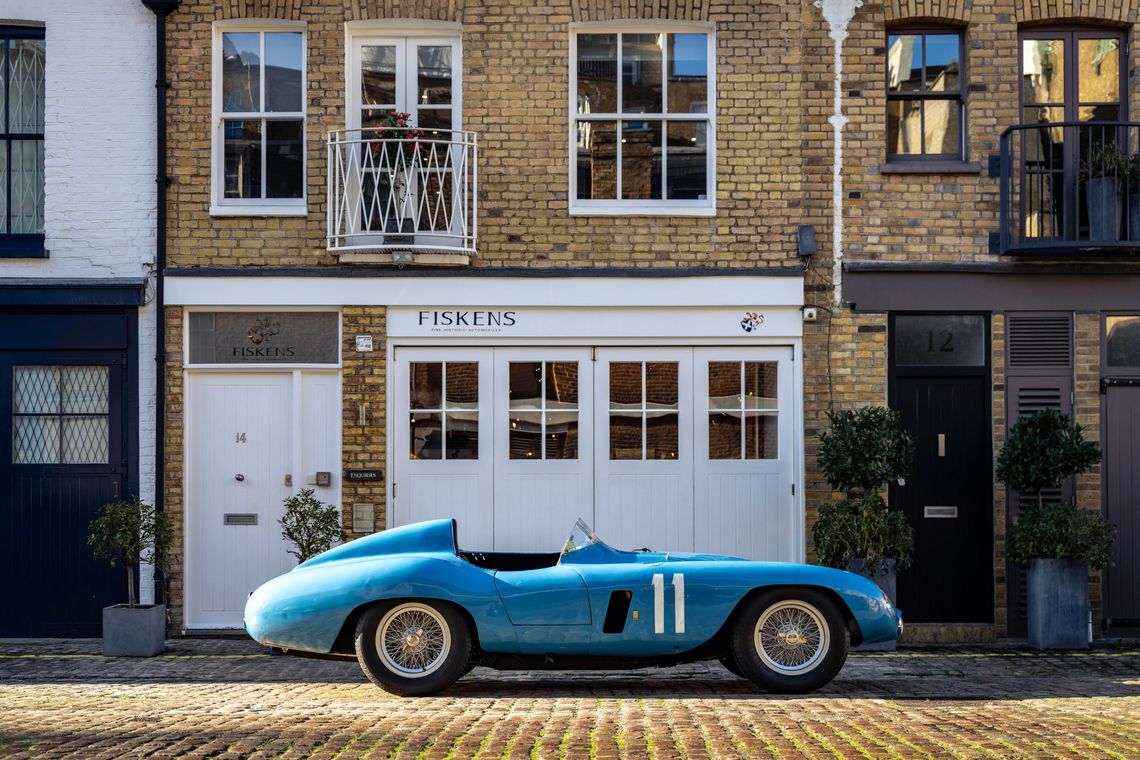
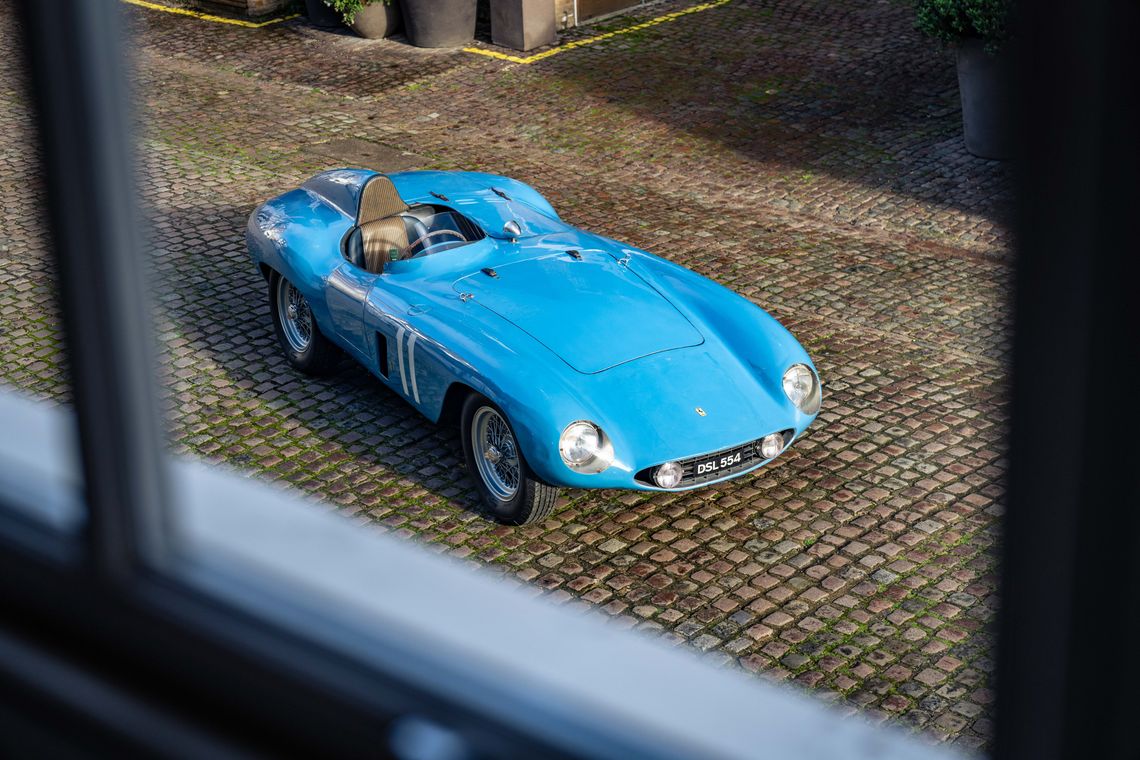
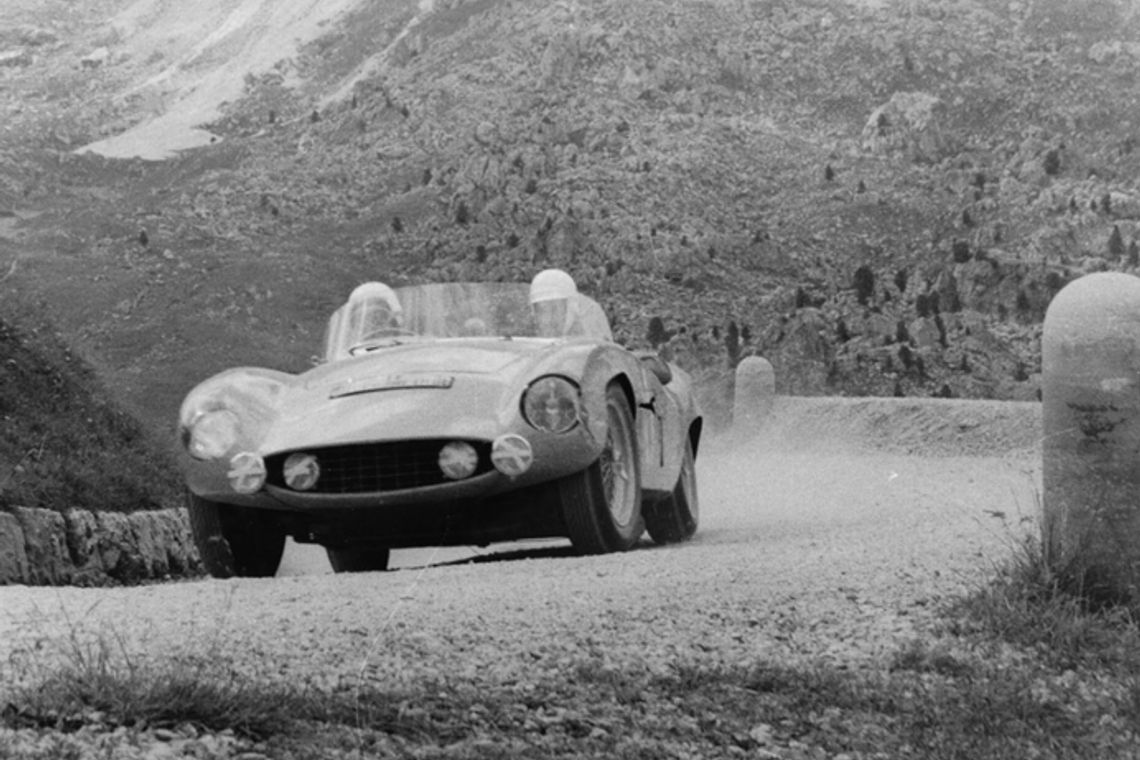
His first outing in his new Ferrari – its Scaglietti bodywork finished in Azzurro ‘French racing blue’ – came in the 1955 12 Hours of Hyères. The event was held only a few days after he’d taken delivery, and the car was forced to retire with engine problems. It was sent back to the factory for repairs but returned to action in August, when Dupont entered it for the Liège-Rome-Liège Rally, only to be struck by further engine issues.
The car was once again dispatched to Maranello, but this time Dupont refused to pay the repair bill and the Mondial remained in Ferrari’s possession. It was subsequently repainted red and spent a number of years on display in the museum at Monza, where it was eventually spotted by French enthusiast Jean-François Dumontant.
In December 1975, Ferrari sold the Mondial to Dumontant after he’d paid Dupont’s 20-year-old outstanding invoice, plus the intervening storage fees. Dumontant then enjoyed the car for more than 20 years, taking it to the celebrated gatherings at Pierre Bardinon’s Mas du Clos estate in 1984 and 1993, and carefully maintaining its unrestored status.
In 1998, the Mondial was sold to collector Daniel Sielecki and took part in the Mille Miglia in 2000. It was then acquired in 2001 by Victor Müller and displayed at that year’s Pebble Beach Concours d’Elegance, before being sold in 2002 to Oliver Maierhofer.
During his ownership, the Ferrari made regular appearances on the Mille Miglia before being sold in 2007 to Michael Willms, and then the following year to Pierre Mellinger. Renowned specialist Quality Cars in Padova was tasked with painstakingly removing the Mondial’s red paint in order to uncover the original blue – a process that took three months – and the car was subsequently awarded Ferrari’s Red Book Classiche Certification.
Mellinger sold it in 2012 to a UK-based collector who displayed it at Salon Privé and had the engine rebuilt by Hall & Hall. The Mondial was briefly owned by broadcaster Chris Evans and was later acquired by football manager André Villas-Boas. He displayed it at Maranello in 2017 as part of Ferrari’s 70th anniversary concours and had it sympathetically refurbished by Cremonini in Modena before selling it to its current owner.
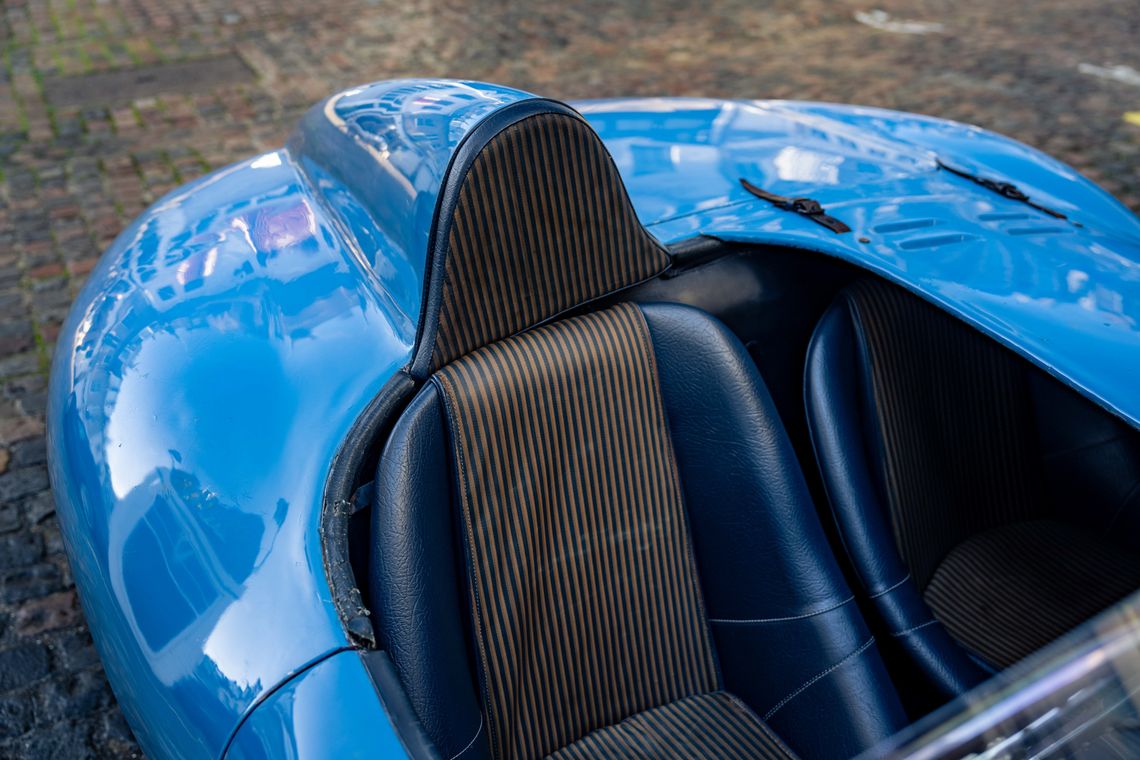
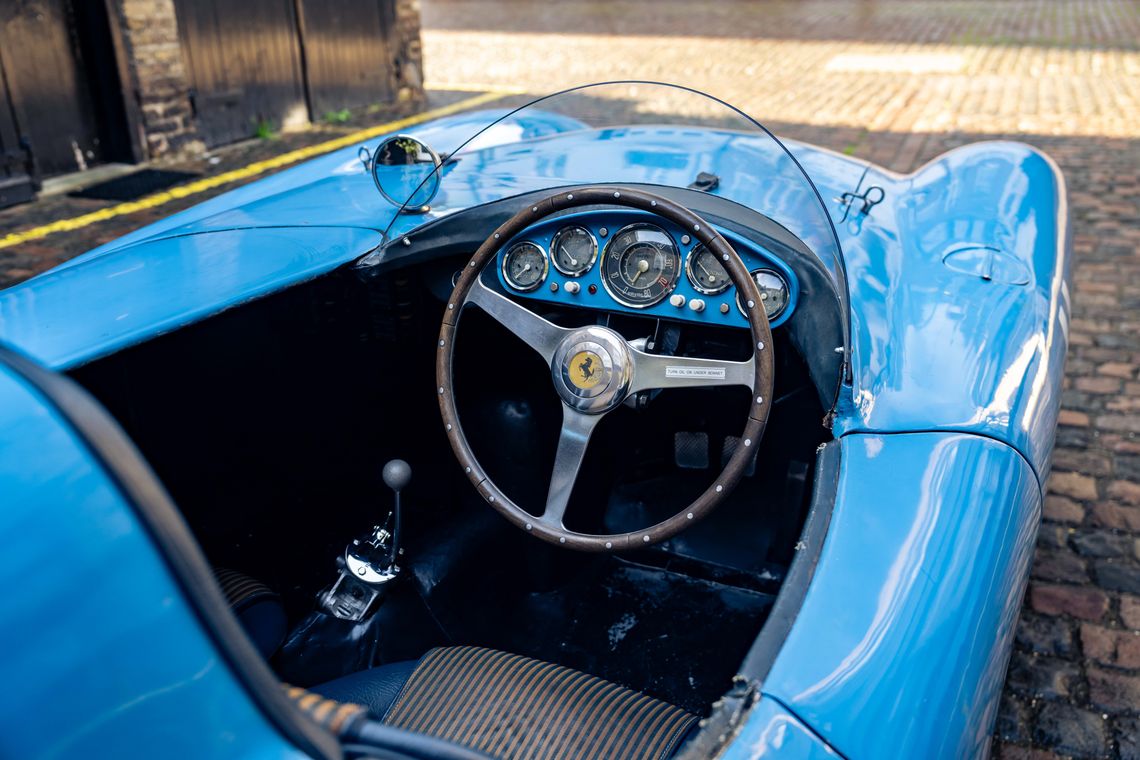
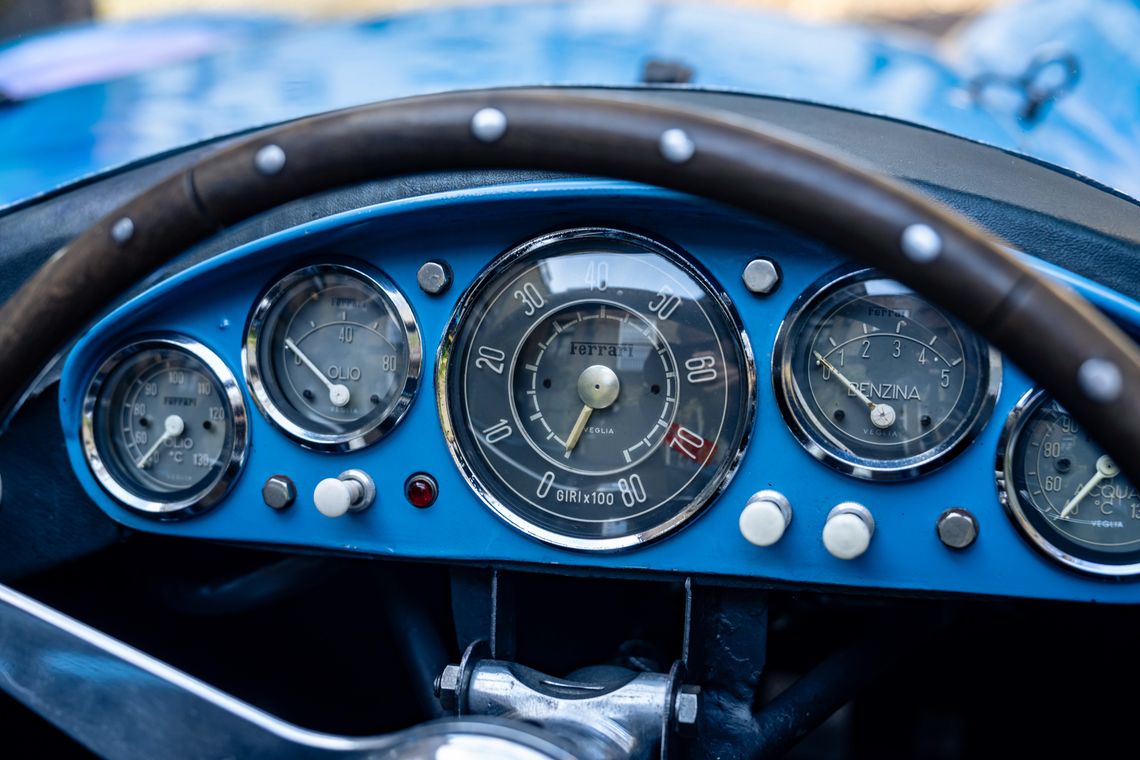
Having had only a short competition career before spending 20 years either in storage at Ferrari or on display in the museum at Monza, this 500 Mondial is a rarity among 1950s sports-racing cars in that it’s highly original and exceptionally well preserved.
Supplied with a comprehensive history file that includes 1975 correspondence between Jean-François Dumontant and Ferrari, plus a 2018 report by marque historian Marcel Massini, this wonderful survivor from a golden age of dual-purpose road-racers is perfectly suited to prestigious tours and the world’s leading concours events.