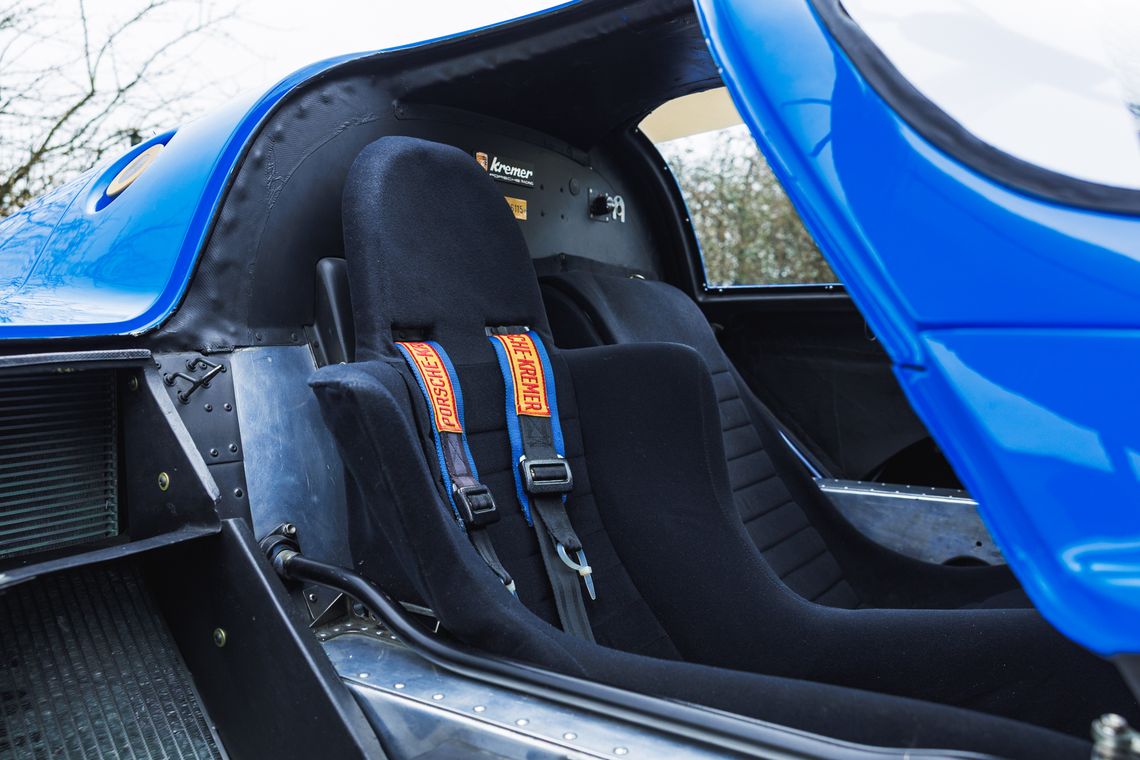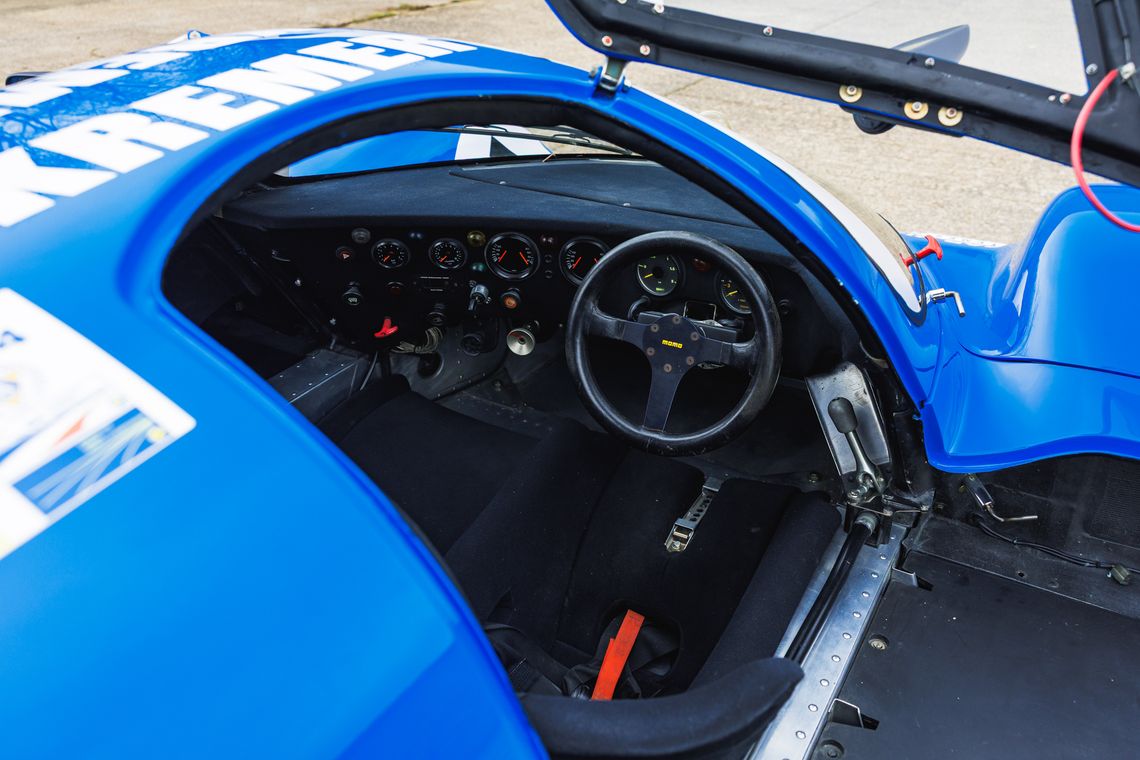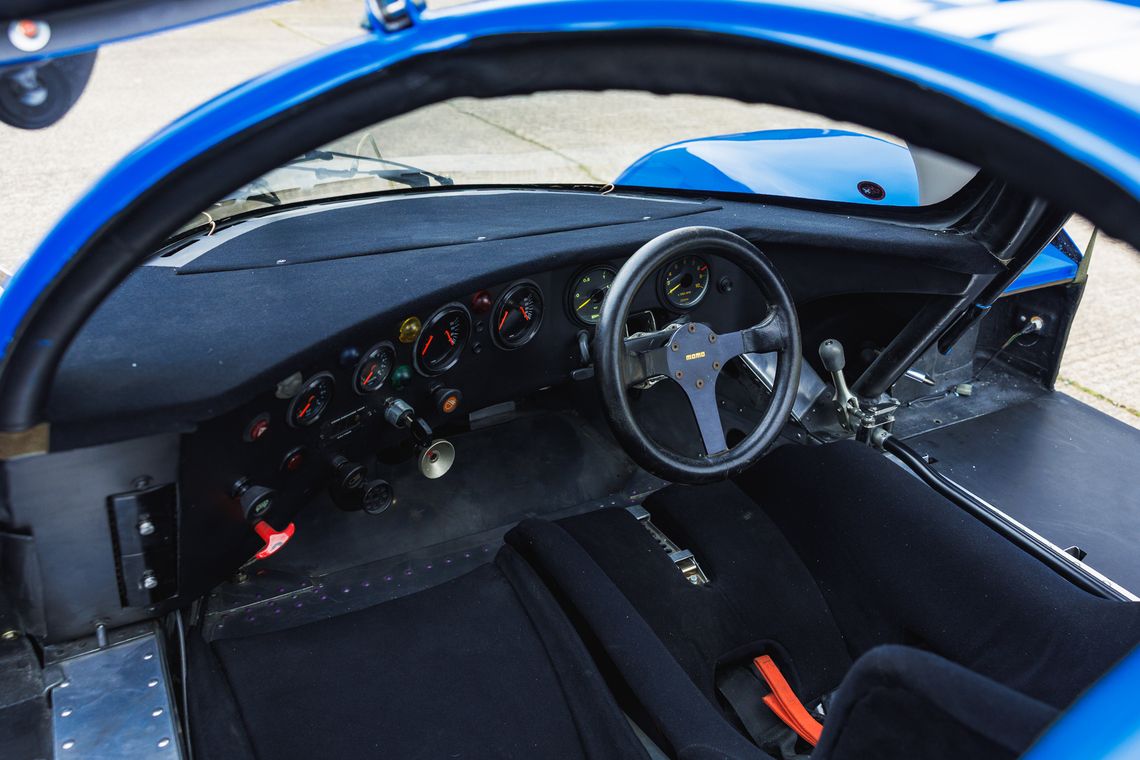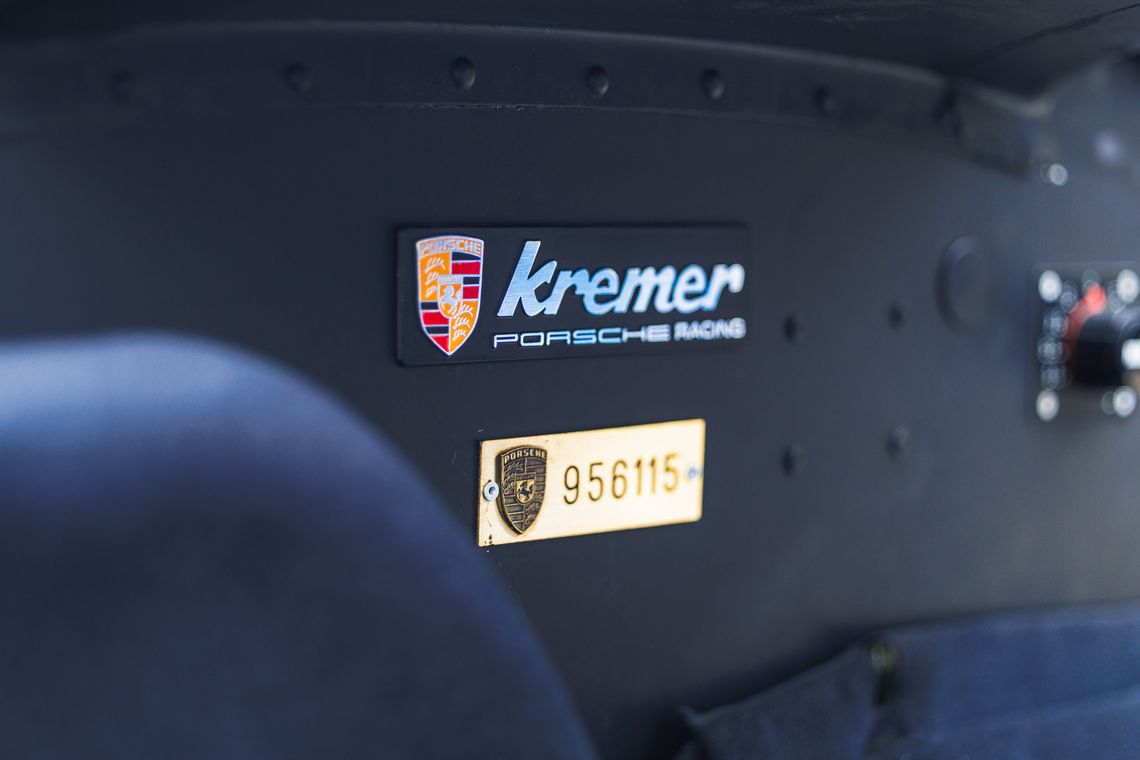
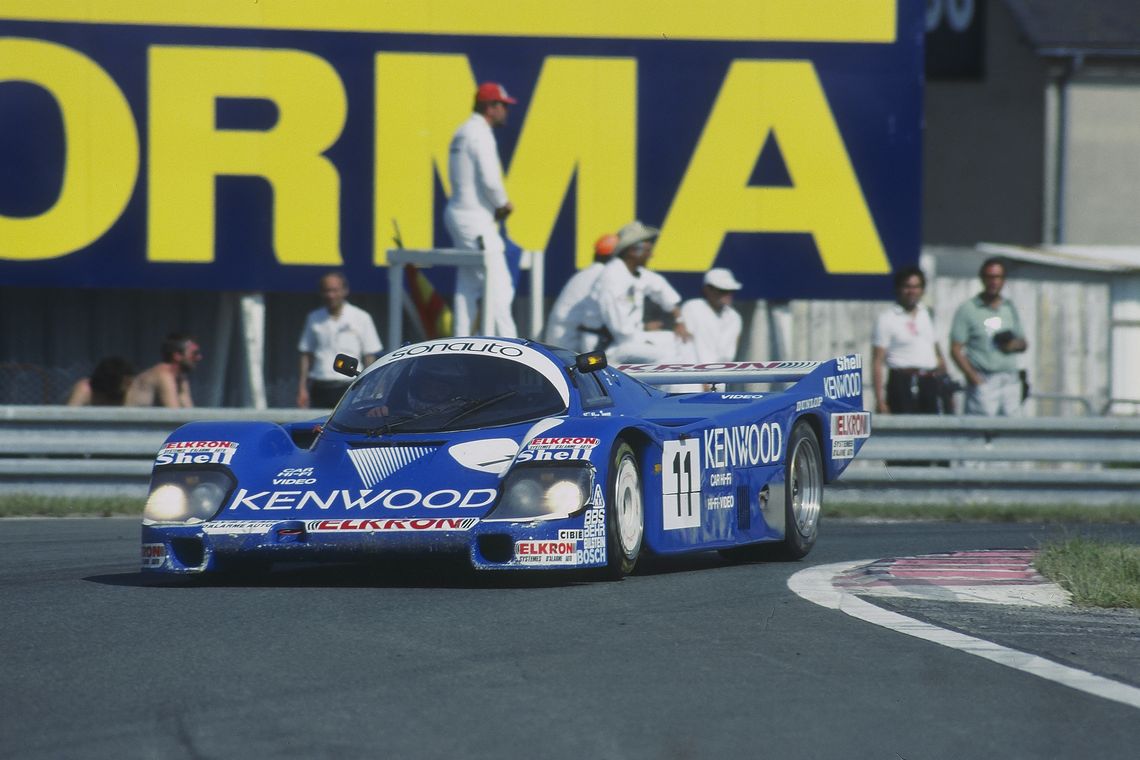

1984 Porsche 956B Chassis 115
The 956’s debut 1982 and follow up ’83 seasons proved that Porsche’s latest charge was nothing short of a game-changer. Back-to-back World Championships were bolstered by truly dominating performances at the big one: Le Mans. In 1982 the Works team of three 956s locked out a 1-2-3 podium at their first attempt and, with a customer team programme established, the first nine finishers across the line in 1983 were 956s; a ninth-placed Sauber C7 managed to scupper what would have been a scarcely believable all-Porsche top-ten.
In spite of the immediate success, Porsche was not about to rest on any laurels and all through 1983 a second-generation 956 was in development. Known officially as the “956/84” specification, “956B” is the name which has stuck. And while Porsche could have been previously accused of keeping its hottest parts for its own Works Rothmans team, the “B” specification (essentially the same the Works 1983 cars) would be made available for Porsche’s loyal customer teams. Key features of this new ultimate 956B were a reduction in weight, revised aerodynamics and Bosch Motronic electronic fuel injection.
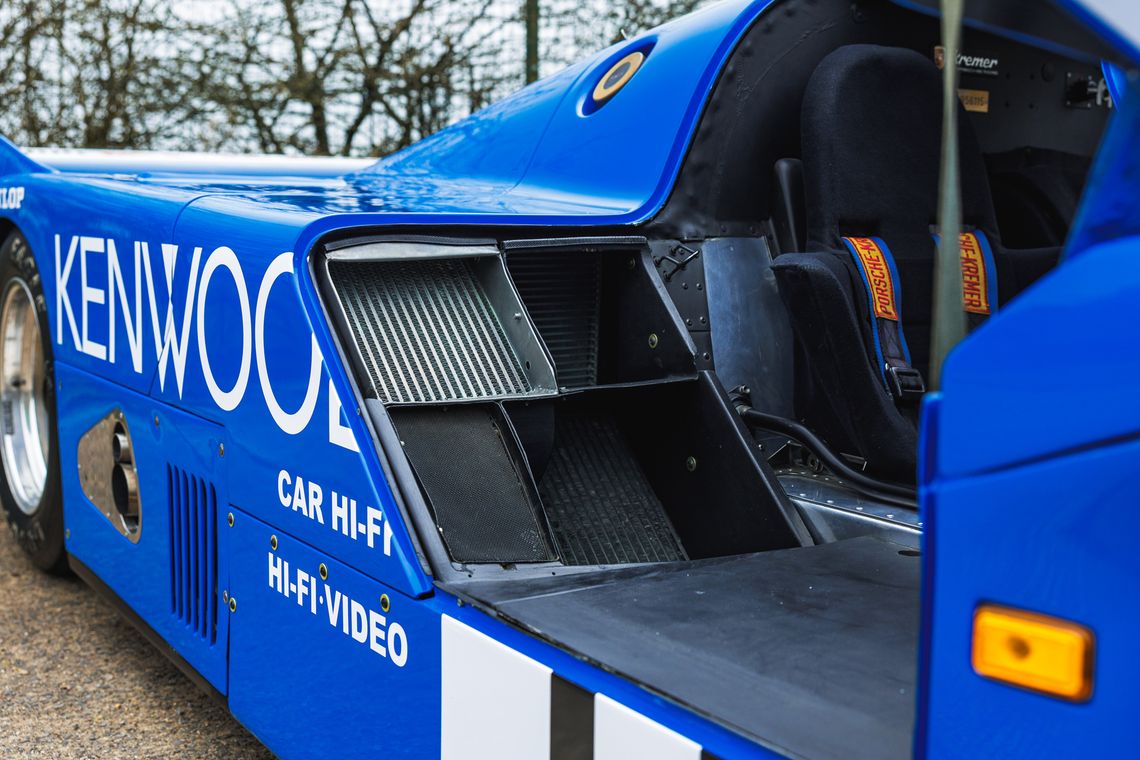
The bulk of the weight saving came from the lightweight monococque tub and bodywork combination, the nose section of which was redesigned for higher downforce. With extra aero loading on the front end, revised front-suspension geometry helped to remove weight from the steering and make the 956 easier to drive. A completely flat underbody, accomplished through the moving of hot-air exhaust ducts, now funnelled an uninterrupted stream of air to the giant venturis at the rear.
These alone were not insignificant updates, but the real lightning-bolt came in the way of the new Bosch Motoronic MP 1.2 fuel injection. With sensors monitoring the engine’s vital signs, a RAM processor to perform necessary calculations and programmable engine maps tailored to individual circuits, the ECU-controlled system revulotionised both the twin-turbo 2.6-litre flat-six’s fuel efficiency. Over a 1000km race the differences could be significant. Over 24 hours they were undeniable.
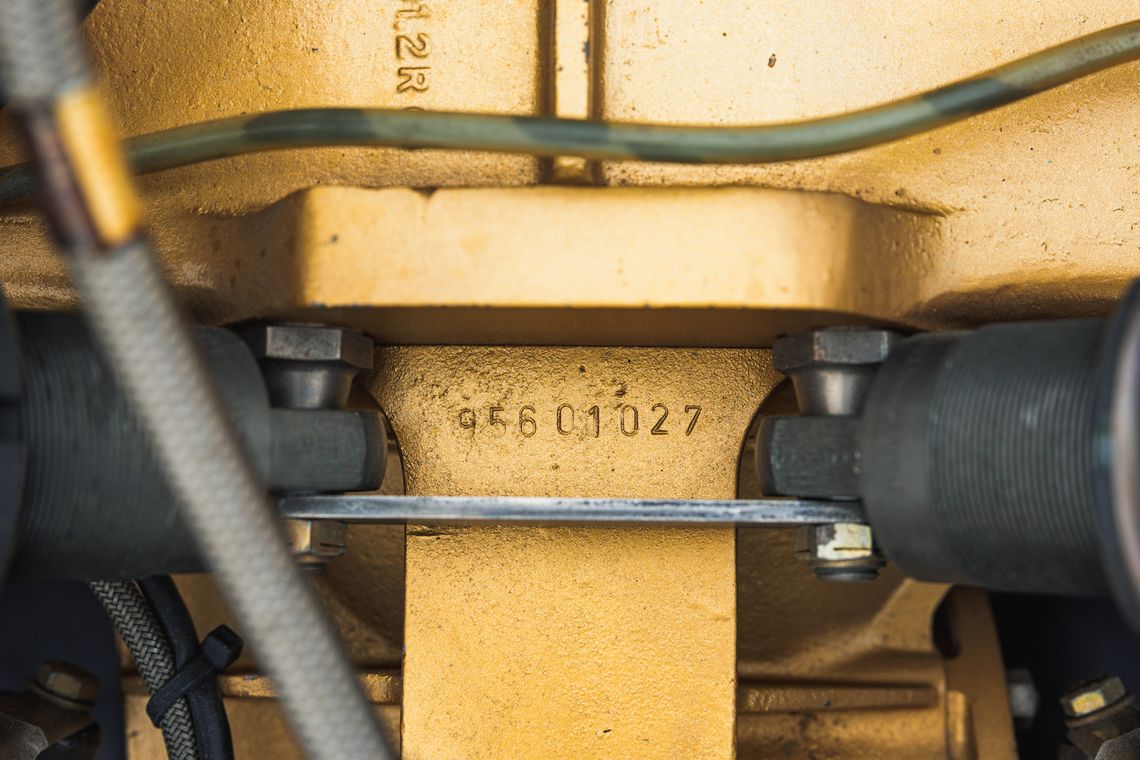
Just six 956B-specification chassis were built by the Porsche factory, of which four were supplied to its top customer teams for the 1984 World Championship. 956-115 was destined for the preeminent Porsche privateer team of the Kremer brothers and joined their earlier-spec’ 956 chassis 101. This is important because Kremer would later build its own Porsche Group C chassis tubs with Stuttgart’s permission, but 101 and 115 were both Porsche-built.
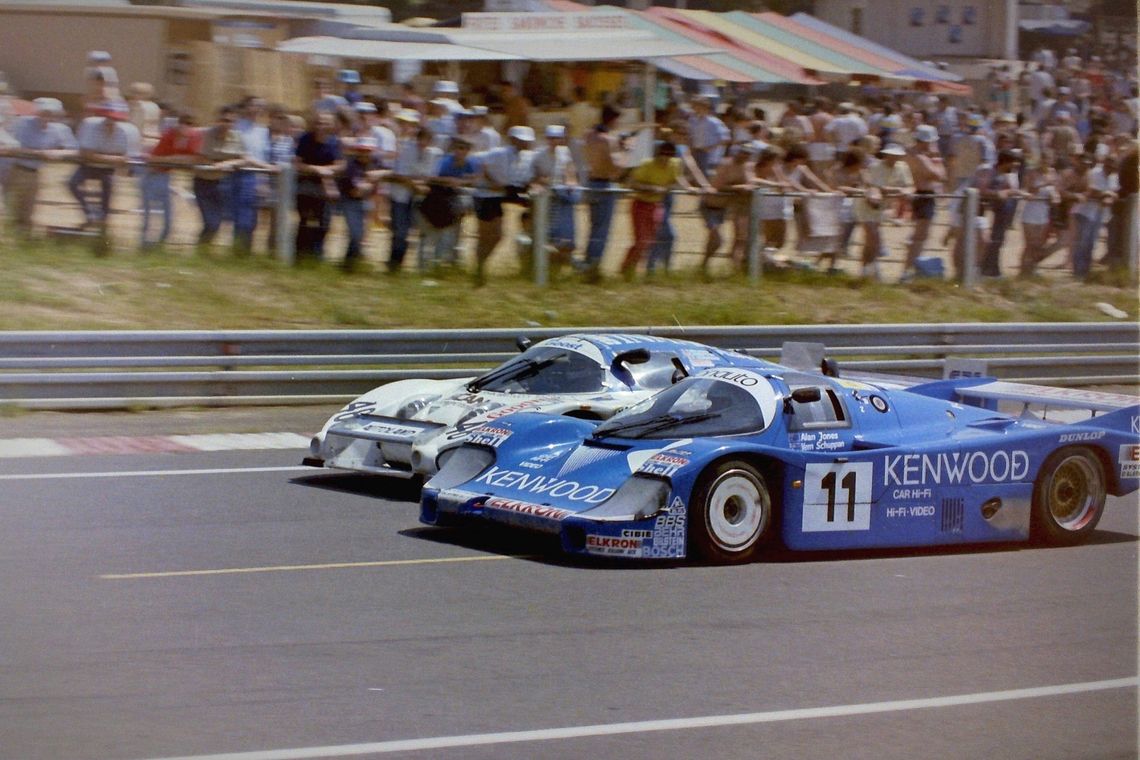
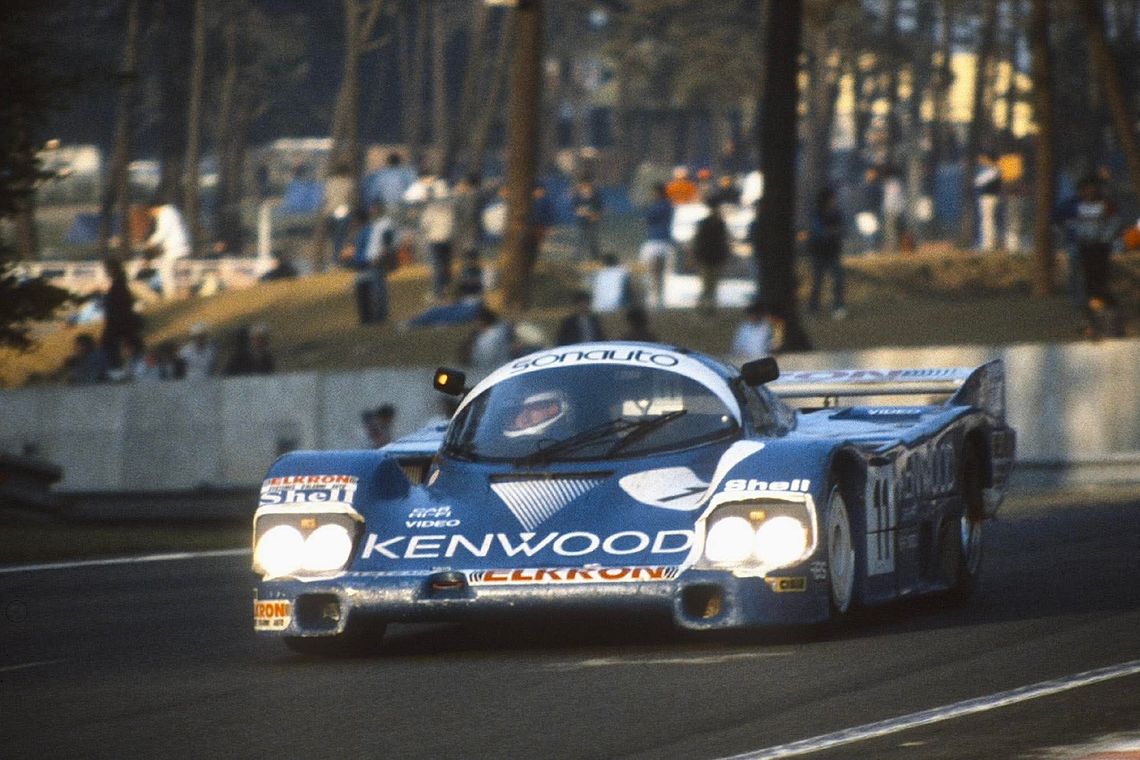
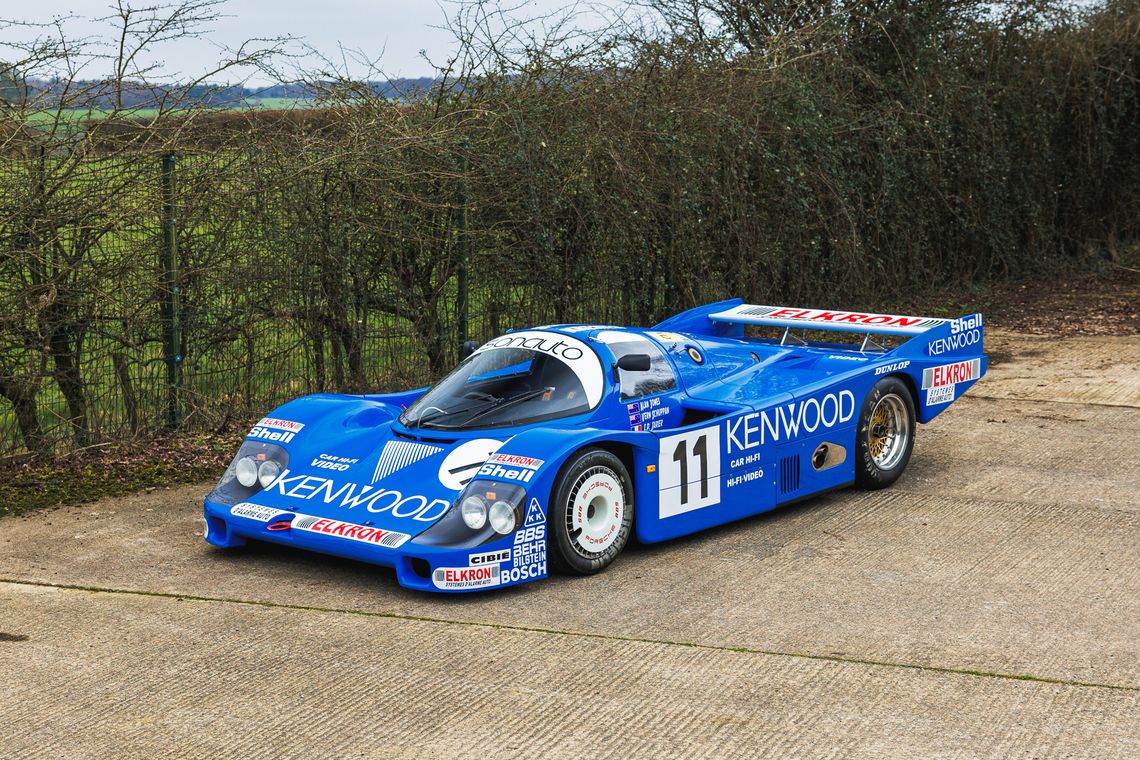
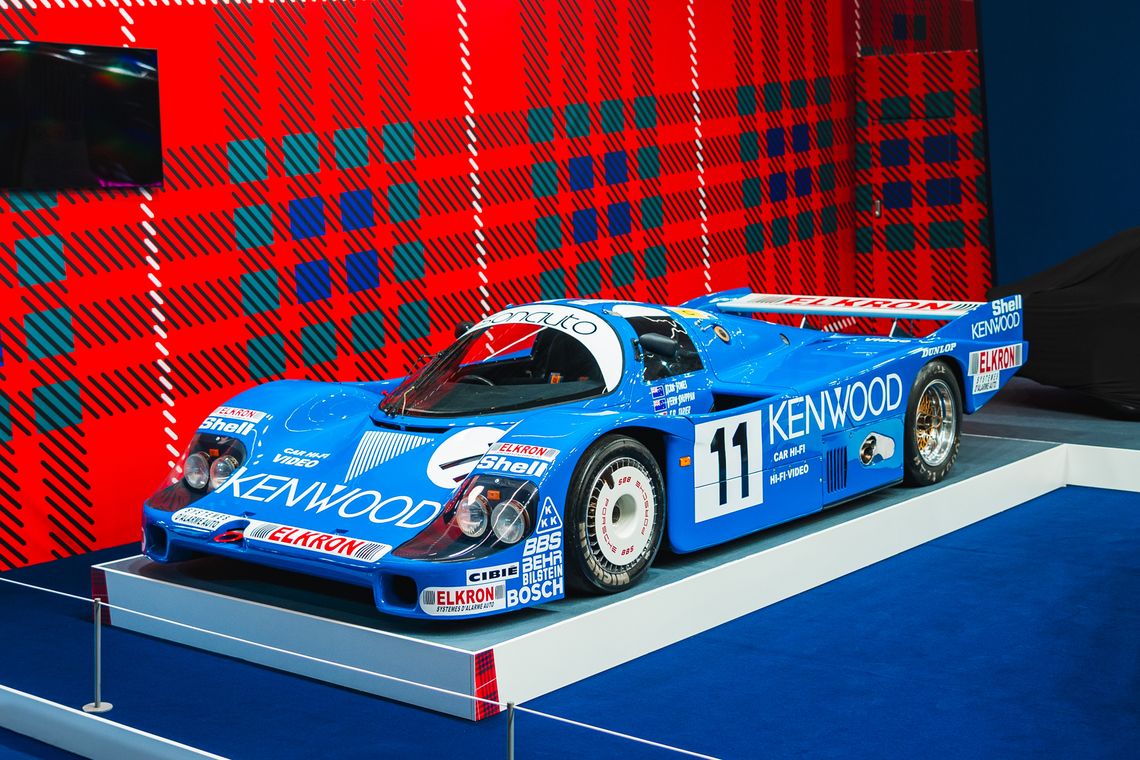
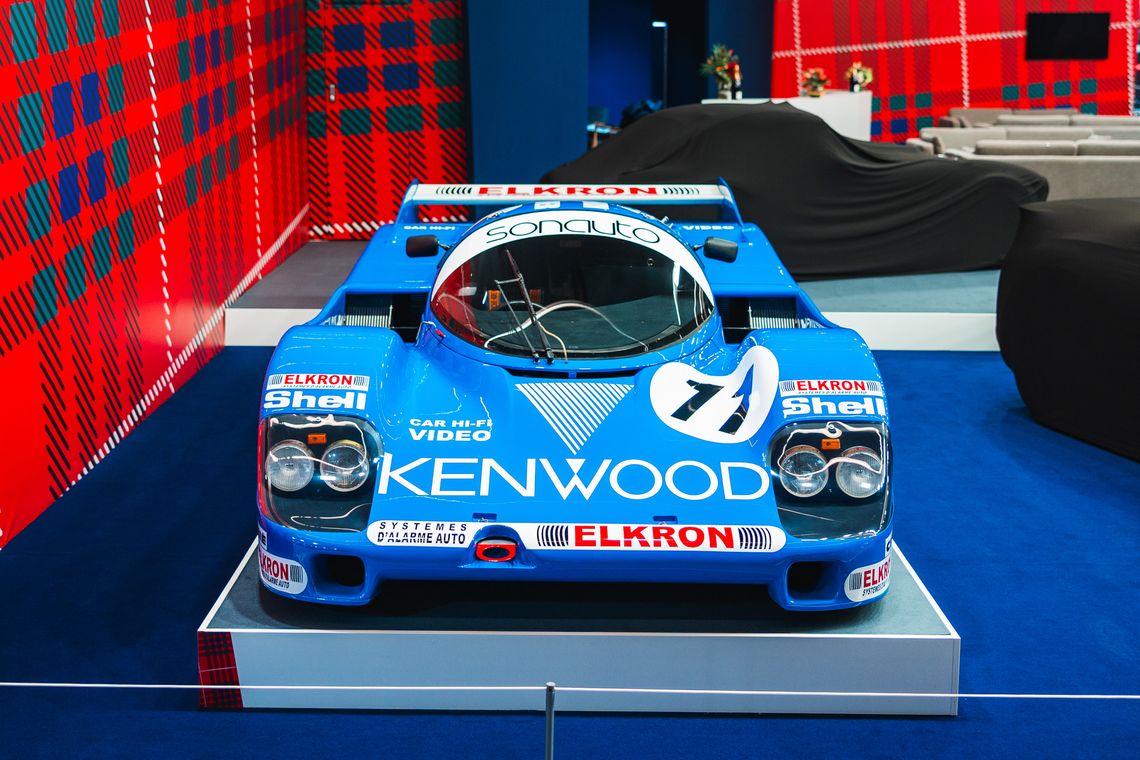
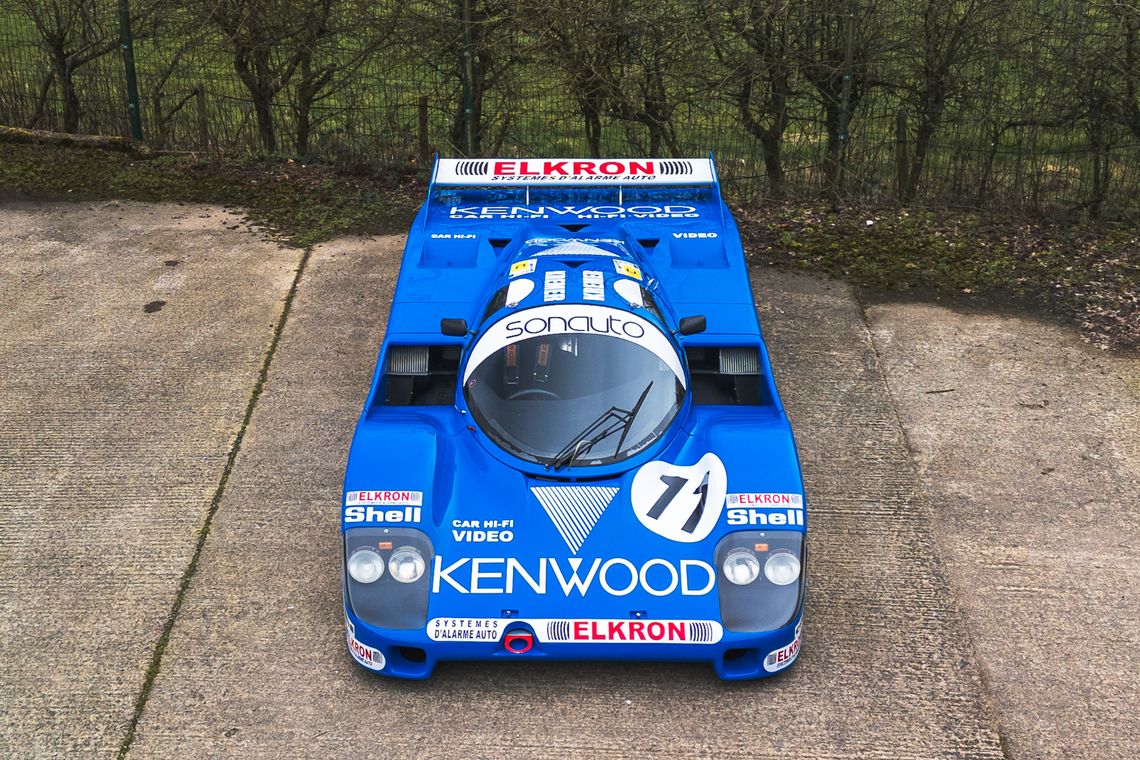
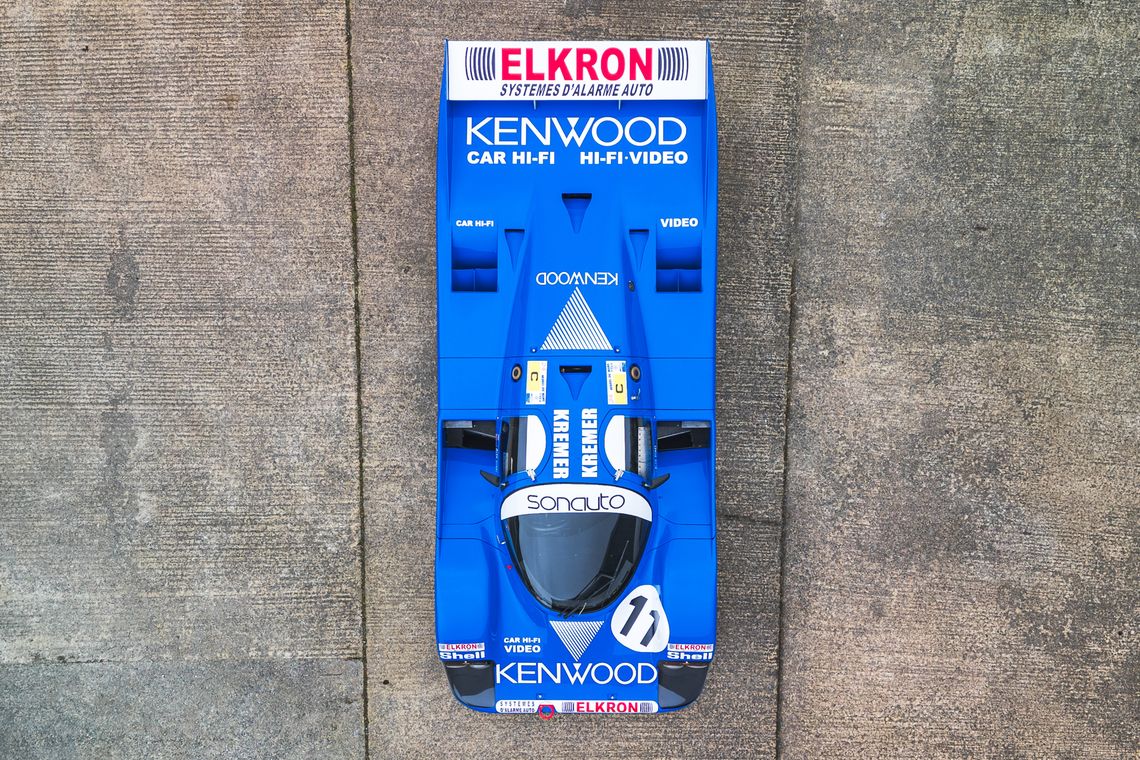
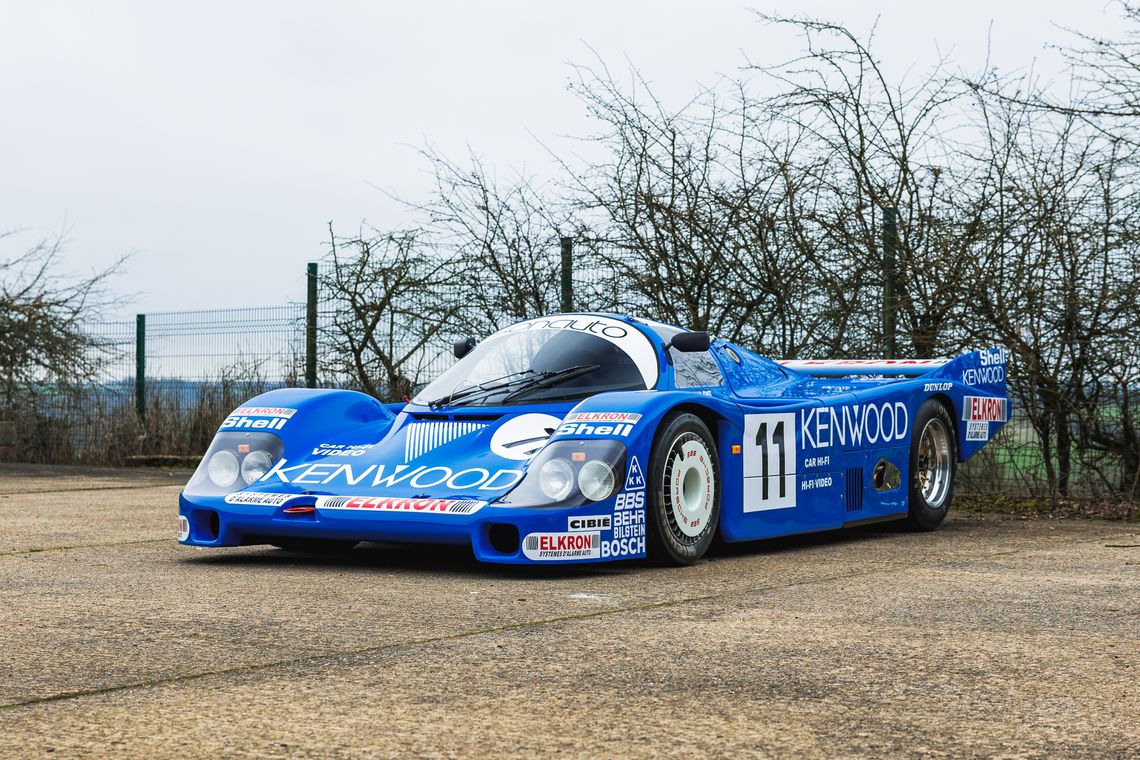
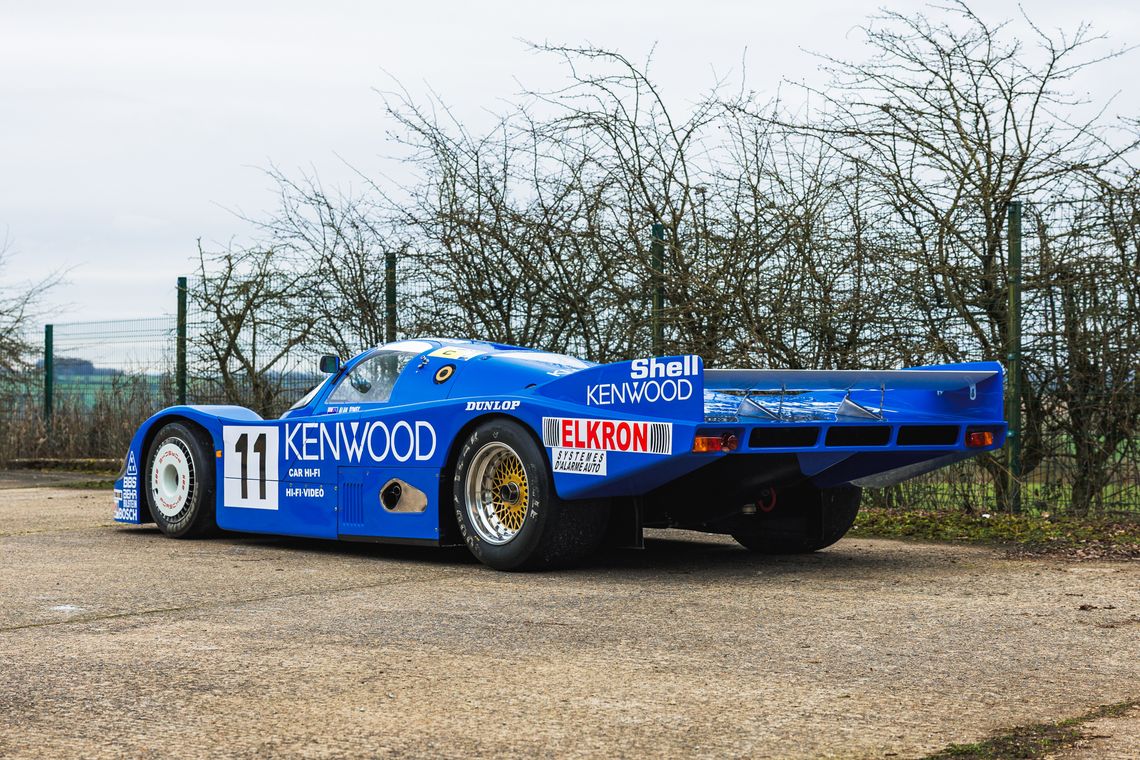
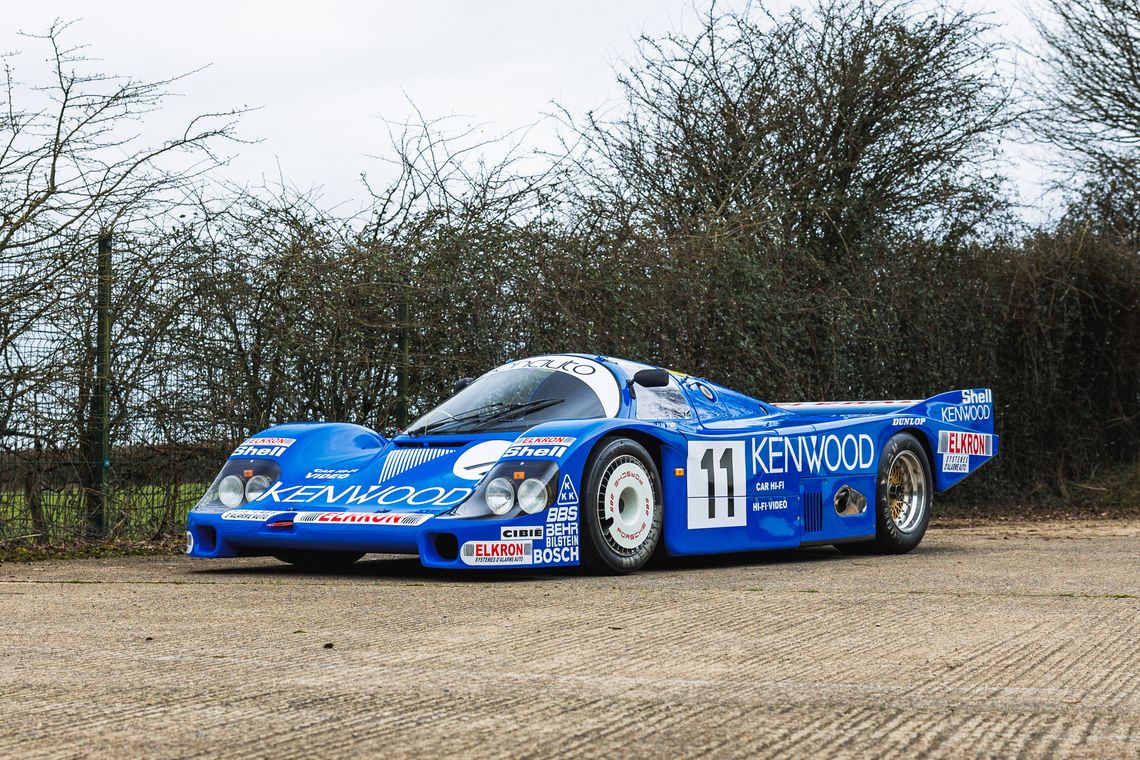
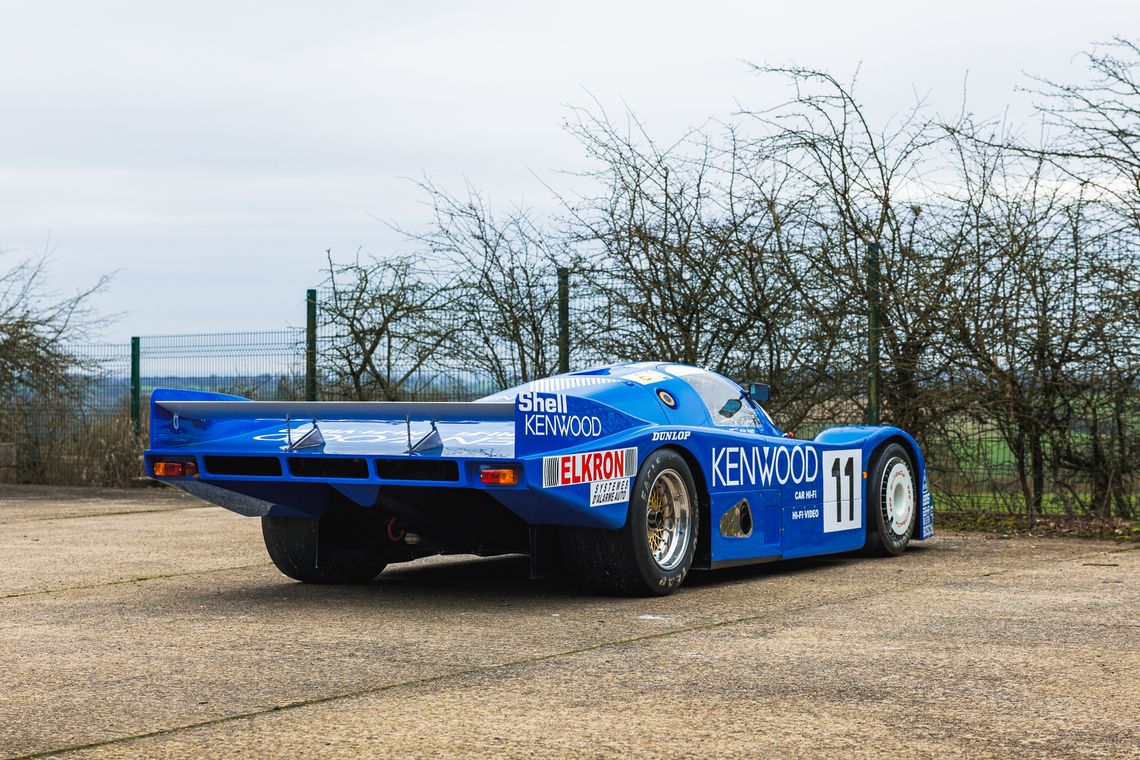
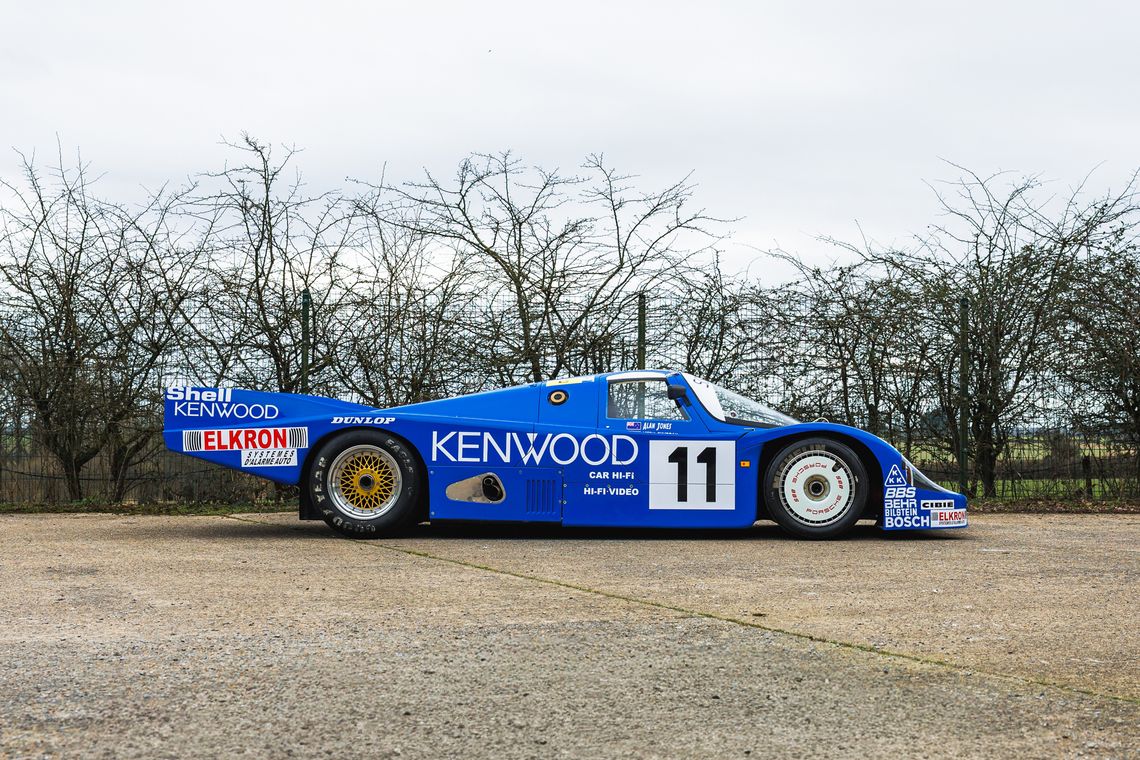
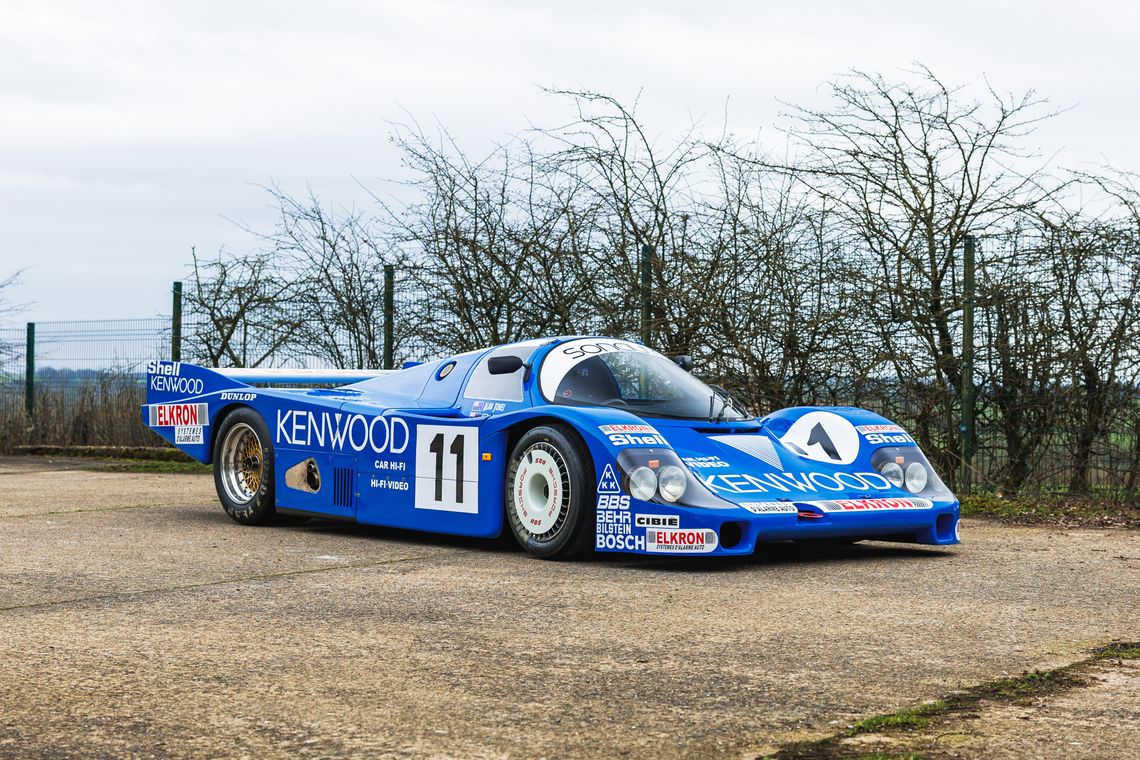
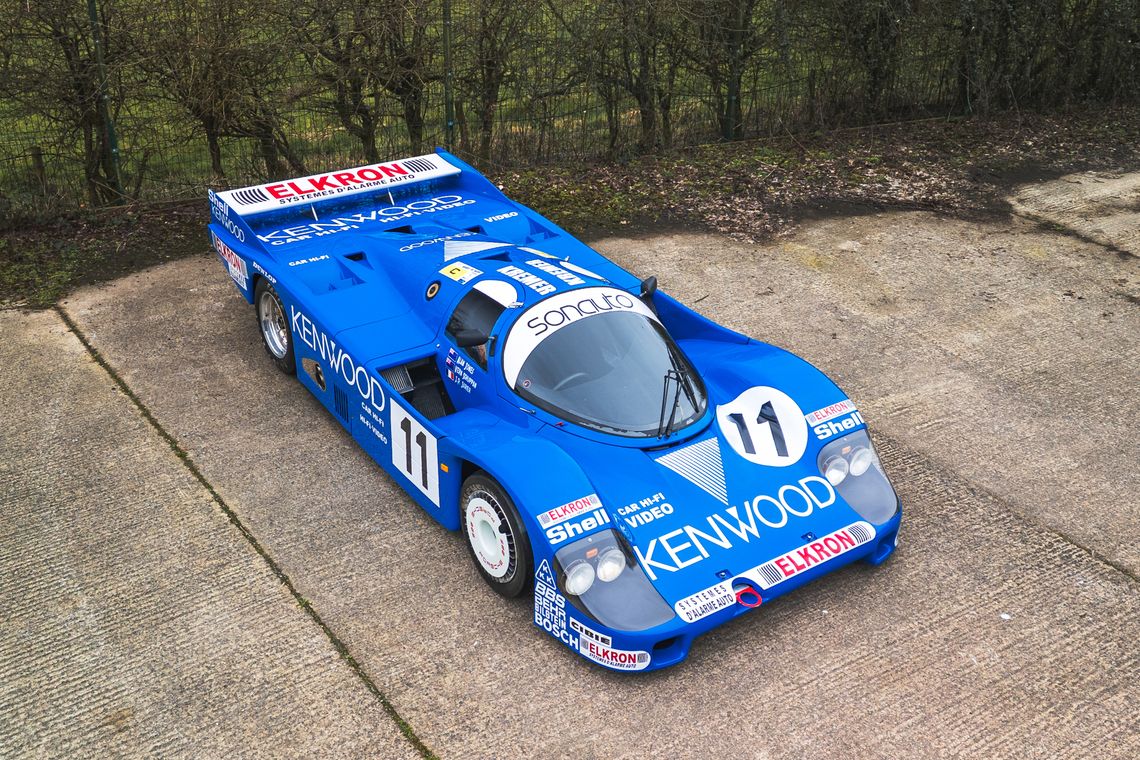
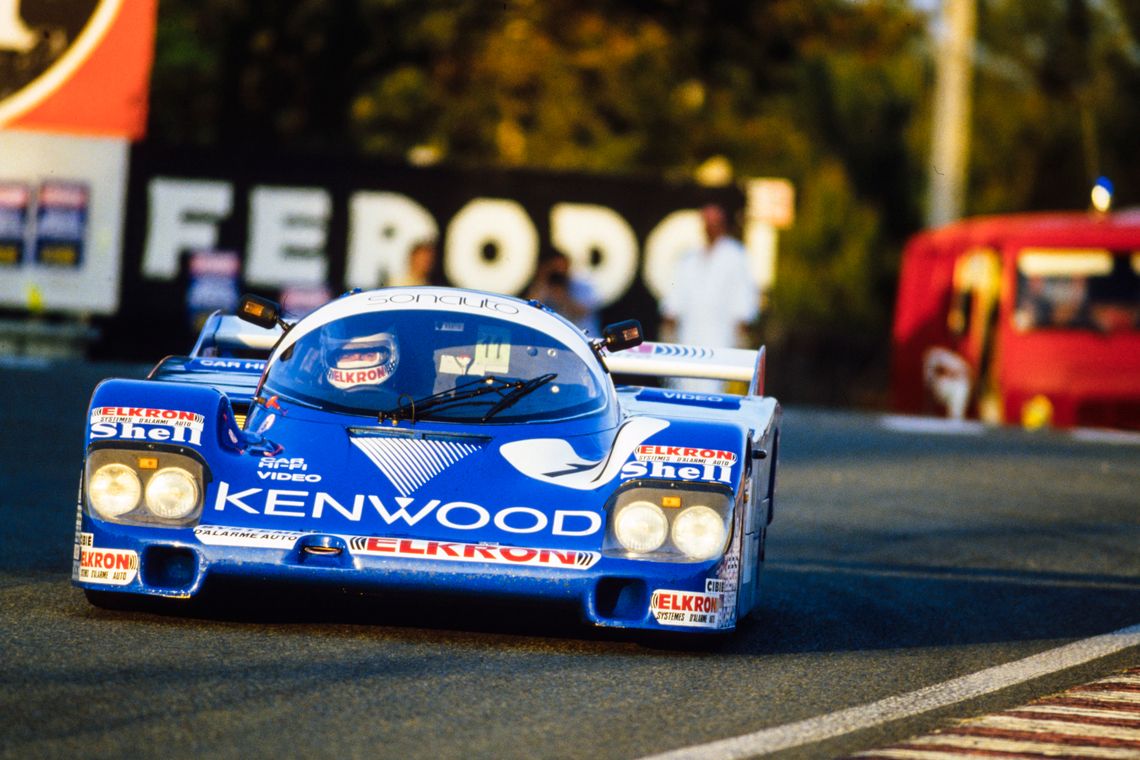
The 1984 Le Mans 24 Hours would be 956-115’s first outing and, wearing the distinctive and elegant Kenwood livery, would be piloted by 1980 Formula One World Champion Alan Jones, his Australian compatriot Vern Schuppan and fellow Formula One driver Jean-Pierre Jarier. In the latest 956B specification, chassis 115 arrived in France with a real chance of securing at least a podium as the Porsche Works team was absent in protest. FISA (the governing body now known as the FIA) had stipulated new fuelling rules for 1984, which had part-influenced the “956B” development, that were abandoned at the last minute after the manufacturers had already invested vast resources to comply with the changes.
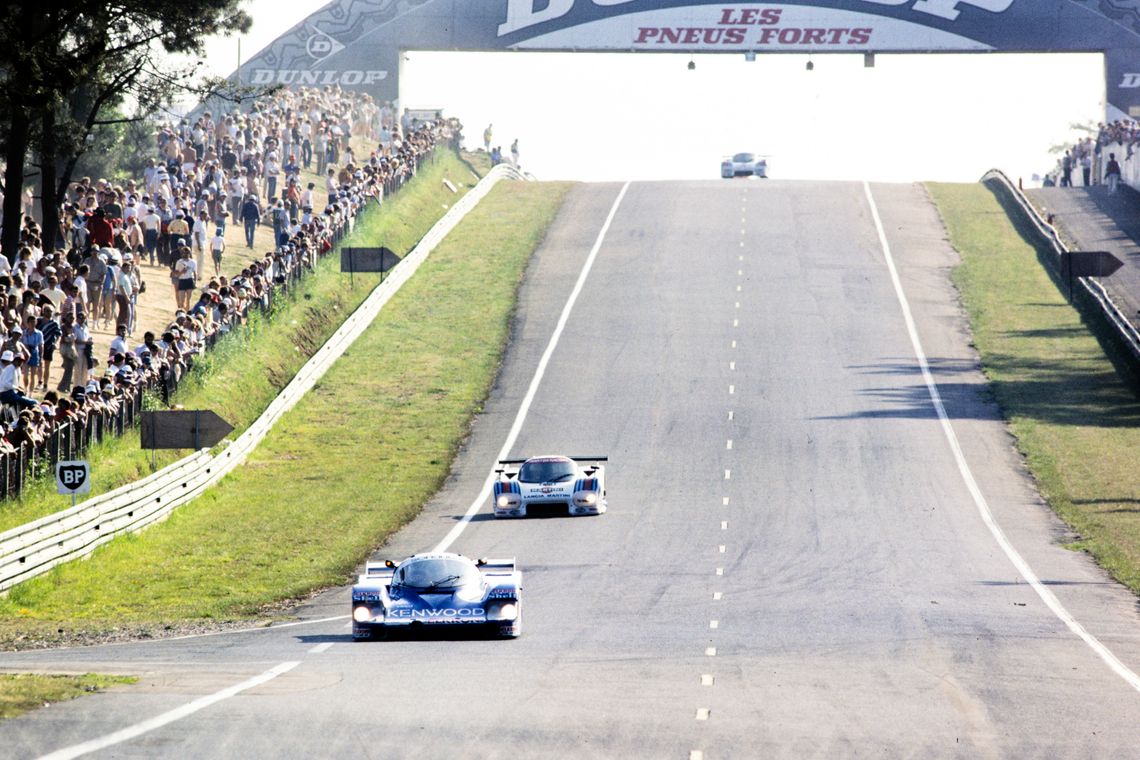
The Porsche party would be further spoiled in qualifying, with the Martini Lancia LC2s locking out the front row and 956-115 starting 7th behind the other privateer Porsches of Joest, Richard Lloyd and John Fitzpatrick. Schuppan had been on a flyer in quali’, but had to back out of his best lap when another car spun in front of him. All wrongs would be righted come the start of the race when Schuppan, scything through the Porsches and Lancias to second place, pressured the fast-starting WM P83B into a mistake under braking into the tight Mulsanne Corner. 956-115 emerged from the esses to start lap five leading the Le Mans 24 Hours.
For the first quarter of the world’s most famous race, the estimated 150,000 spectators watched on in blazing sunshine as 956-115 built a confident lead. In the sixth hour, the WM P83B exacted its revenge, spinning in front of 956-115 and forcing an unscheduled pitstop to replace a rim and the nose section of the bodywork which had been damaged in the scuffle. Through the night Schuppan, Jones and Jarier settled into a rhythm, fighting back to third position by 8am on Sunday morning. They spent the next four hours battling for second. With just over two hours left to run, the Porsche dropped a cylinder and was forced to pit. Having built such an advantage over so much of the remaining field, the Kremer team could afford to park the car until just before the chequered flag and send it out for a final lap to finish the race. Schuppan took the honours and brough 956-115 home to a brilliant 6th place.
A couple of weeks later a new Liqui Moly livery brought 956-115 even better luck, with Manfred Winkelhock winning the famous 200-mile ‘Money Race’ at the Norisring; so called for the substantial DM37,350 prize fund, which ensured a grid of top teams and drivers. The year was rounded out with top-5 results in three of the World Endurance Championship’s great 1000-kilometre races – Nürburgring, Imola and Sandown Park – wearing two of the period’s iconic liveries, Warsteiner in Italy and Sega in South Africa.
956-115 began the 1985 season with a 5th and two 8th positions at the 1000-kilometre races of Mugello, Monza and Silverstone, before a second assault on the Le Mans 24 Hours in June. In France the Barclay-liveried Porsche sported a central fin along the length of the rear bodywork, which drivers – Swissman Mario Hytten and South Africans George Fouché and Sarel van der Merwe – claimed help 956-115 achieve an extra 300rpm down the Mulsanne. Qualifying would be a repeat performance of 1984, with 956-115 placing 7th, but this time behind the returning Works Rothmans Porsche team (running its three new 962s), the two Works Martini Lancias and last year’s winning 956B chassis 117 of the Joest team.
Starting driver “Supervan” van der Merwe made the most of an outstanding opening few laps, but his charge to the front in 956-115 was curtailed in the second hour when a clutch hydraulic line needed to be replaced. 21 minutes were lost in the pits, but 115’s dramas were now behind it and it knuckled down for a faultless redemption drive to place 5th overall by Sunday afternoon. Just one of the Porsches in that top quintet was a Works 962, with the other two having races to forget having been beaten squarely by three customer 956Bs. Kremer’s new 962 could manage just a 9th, some five laps behind its older sister 956-115.
With that new 962 to develop, Kremer sold 956-115 after Le Mans to the Alpha Cubic Racing Team in Japan and its performance at the 24 Hours no doubt sweetened the deal. Just six weeks after Le Mans, the 956B lined up on the grid for its first race in the All-Japan Sports Prototype Championship. Joining mid-season, the Porsche still made Stuttgart proud and scored a 5th at the Fuji 500 Miles, 8th at the Suzuka 1000 Kms and a magnificent 3rd at the Fuji 500 Kms. 956-115’s drivers in Japan were Toshio Suzuki, Chiyomi Totani and Noritake Takahara, the latter of whom had the car’s only career non-finish at the 1985 Fuji 1000 Kms (run under both WEC and JSPC) when the car was withdrawn alongside many others including the Works Porsche, Jaguar and Mazda teams due to the horrendous weather.
For 1986 Kenji Tohira replaced Toshio Suzuki and 956-115 scored a further two JSPC podiums, achieving third place at both the Fuji 500 Miles and Suzuka 1000 Kms. Phenomenally, 1986 capped a three-year career for 115 during which it never once had a retirement.
The Kremer brothers clearly had a soft spot for their old 956B, buying it back from Japan and restoring it to its Norisiring-winning Liqui Moly livery. In the late 1990s 956-115 was sold through Coys directly from Kremer to British collector Tony O’Neill, before being chosen to join the world-renowned Le Mans and Group-C collection of Henry Pearman in January 2004. 956-115 formed part of Pearman’s jaw-dropping Group C Porsche display at Salon Privé in 2011 and remained in his collection until 2015, when it was sold to the current owner.
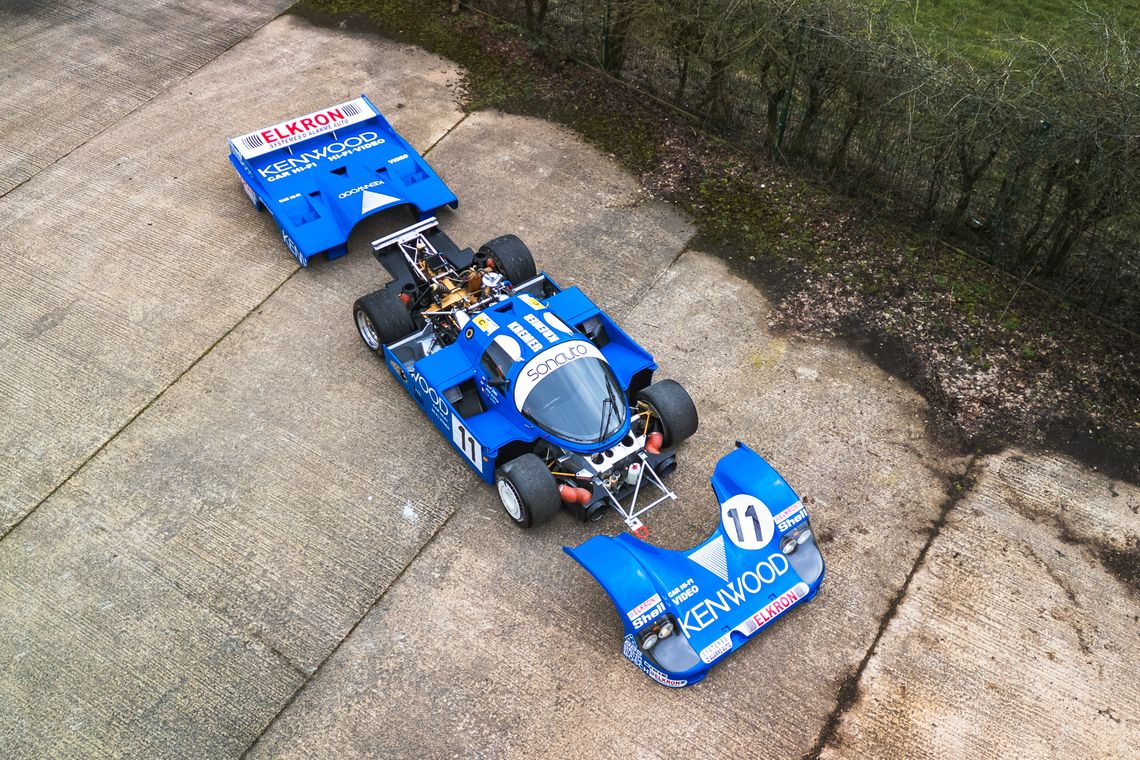
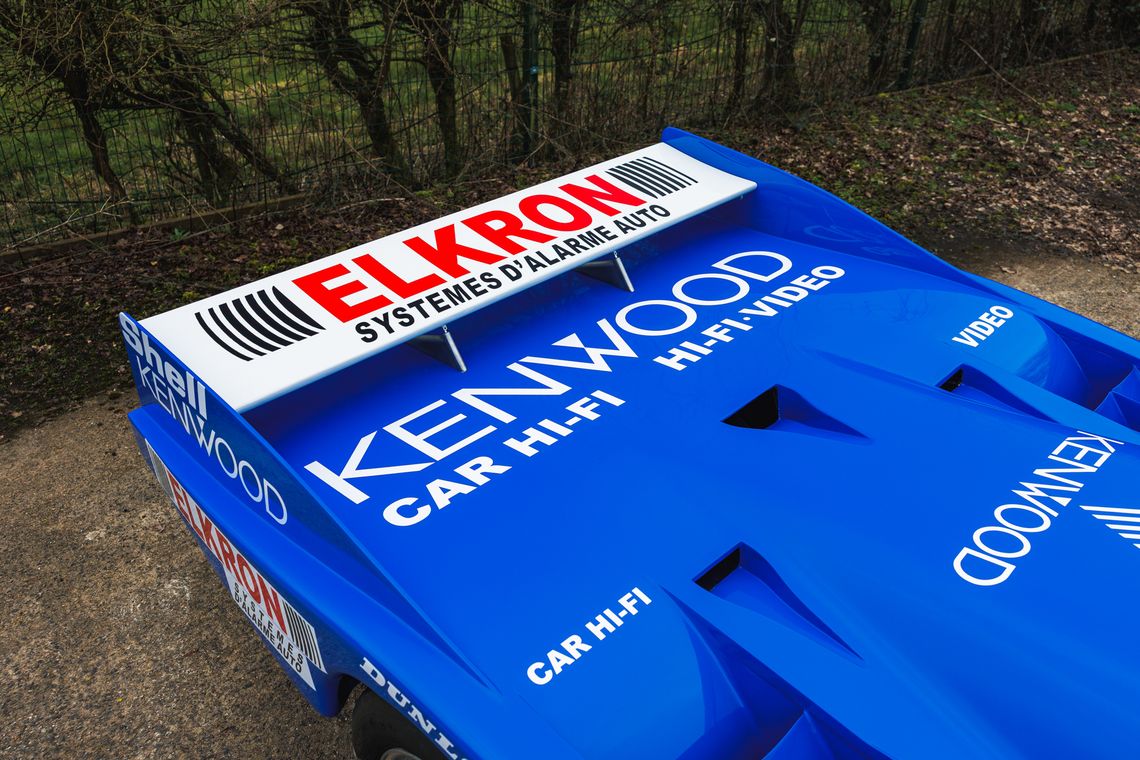
In this ownership, which is also a significant Le Mans collection, the decision was made to return 956-115 back to its 1984 Le Mans 24 Hours specification. The high-downforce ‘Sprint’ nose and tail bodywork sections still accompany the car and are included within the sale.
Out of the 28 Porsche 956s built, just six chassis were of the 956/84 “B”-spec. Of those six the first was built for and only briefly raced in Japan before being destroyed early in the season, and the last was just a bare chassis used to rebuild an older car and later suffered a career-ending fire. Brun’s car was another casualty and was written off in 1985. 956-115 is therefore one of only three surviving 956Bs with an original, undamaged factory chassis, and is of course a sister of the car of which famously secured back-to-back wins at Le Mans in 1984 and 1985.
Today 956-115 is of course eligible for some of the greatest historic racing events including Le Mans Classic, and both the Peter Auto and Masters Group C series. Having only been shown publicly once in the last 22-years of private ownership in two of the great Le Mans-centred collections, this 956B would be welcome at the best concours and events like the Goodwood Festival of Speed too.
Race History
|
Date |
Race |
Livery |
Drivers |
No. |
Result |
|
1984 |
|||||
|
16-17 June |
Le Mans 24 Hours |
Kenwood |
V. Schuppan / A. Jones / J.P. Jarier |
11 |
6th |
|
30 June |
Norisring |
Liqui Moly |
M. Winkelhock |
10 |
9th |
|
01 July |
Norisring DRM |
Liqui Moly |
M. Winkelhock |
10 |
2nd |
|
01 July |
Norisring 200 Miles ‘Money Race’ |
Liqui Moly |
M. Winkelhock |
10 |
1st |
|
15 July |
Nürburgring 1000Kms |
Kremer |
M. Winkelhock / M. Surer |
10 |
5th |
|
16 September |
Imola 1000 Kms |
Warsteiner |
G. Fouche / W. Brun / L. von Bayern |
10 |
4th |
|
02 December |
Sandown Park 1000 Kms |
Sega |
M. Winkelhock / R. French |
11 |
5th |
|
1985 |
|||||
|
14 April |
Mugello 1000 Kms |
Protea Hotels & Inns |
K. Ludwig / G. Fouche |
11 |
5th |
|
28 April |
Monza 1000 Kms |
Southern Sun Hotels |
G. Fouche / S. van der Merwe / B. Giacomelli |
11 |
8th |
|
12 May |
Silverstone 1000 Kms |
Pretoria Brick |
G. Fouche / S. van der Merwe / A. Copelli |
11 |
8th |
|
15-16 June |
Le Mans 24 Hours |
Barclay |
M. Hytten / G. Fouche / S. van der Merwe |
10 |
5th |
|
28 July |
Fuji 500 Miles (JSPC) |
Alpha Cubic |
N. Takahara / C. Totani / T. Suzuki |
2 |
5th |
|
25 August |
Suzuka 1000 Kms (JSPC) |
Renoma Alpha Cubic |
N. Takahara / C. Totani / T. Suzuki |
2 |
8th |
|
06 October |
Fuji 1000 Kms (FIA WEC/ JSPC) |
Renoma Alpha Cubic |
N. Takahara / C. Totani |
48 |
Withdrawn (weather) |
|
24 November |
Fuji 500 Kms (JSPC) |
Renoma Alpha Cubic |
N. Takahara / C. Totani |
2 |
3rd |
|
1986 |
|||||
|
06 April |
Suzuka 500 Kms (JSPC) |
Renoma Alpha Cubic |
JN. Takahara / C. Totani / K. Tohira |
2 |
8th |
|
04 May |
Fuji 1000 Kms (JSPC) |
Renoma Alpha Cubic |
JN. Takahara / C. Totani / K. Tohira |
2 |
7th |
|
20 July |
Fuji 500 Miles (JSPC) |
Renoma Alpha Cubic |
JN. Takahara / C. Totani / K. Tohira |
2 |
3rd |
|
24 August |
Suzuka 1000 Kms (JSPC) |
Renoma Alpha Cubic |
JN. Takahara / C. Totani / K. Tohira |
2 |
3rd |
|
05 October |
Fuji 1000 Kms (FIA WEC/ JSPC) |
Renoma Alpha Cubic |
JN. Takahara / C. Totani / K. Tohira |
2 |
12th |
|
23 November |
Fuji 500 Kms (JSPC) |
Renoma Alpha Cubic |
JN. Takahara / C. Totani / K. Tohira |
2 |
7th |